Gates on a Fully Enclosed Parcel
We’ve all been there: you’re out enjoying a beautiful North Dakota day on your ATV or UTV, cruising along, taking in the wide-open spaces, and then you come across a gate. Maybe it's a simple wire gate, or perhaps something more substantial blocking what looks like a tempting path. The immediate question flashes through your mind: "Can I go through this, or am I about to accidentally trespass?" This guide is here to clear up the confusion around gates on fully enclosed parcels, helping you understand your rights and responsibilities as an OHV rider in North Dakota.
Understanding "Posted Land" and Enclosures in North Dakota
Riding off-highway vehicles in North Dakota offers an incredible sense of freedom, but that freedom comes with the crucial responsibility of respecting private property. One of the biggest areas of confusion for riders often revolves around what constitutes "posted land" and how gates factor into that definition. It’s not always as straightforward as a "No Trespassing" sign, and understanding the nuances can save you a lot of grief.
The Legal Definition of "Posted" for OHV Riders
In North Dakota, "posted land" isn't just about a sign, though signs are certainly a clear indicator. The law specifically outlines what makes land legally off-limits to recreational users like ATV and UTV riders without explicit permission. Essentially, land is considered posted if it has signs that are visible and clearly indicate that entry is prohibited. These signs should be placed at intervals no greater than 880 yards, or about a half-mile, along the property boundary. This is important because a single sign tucked away in a corner might not be enough to legally post an entire, sprawling parcel of land.
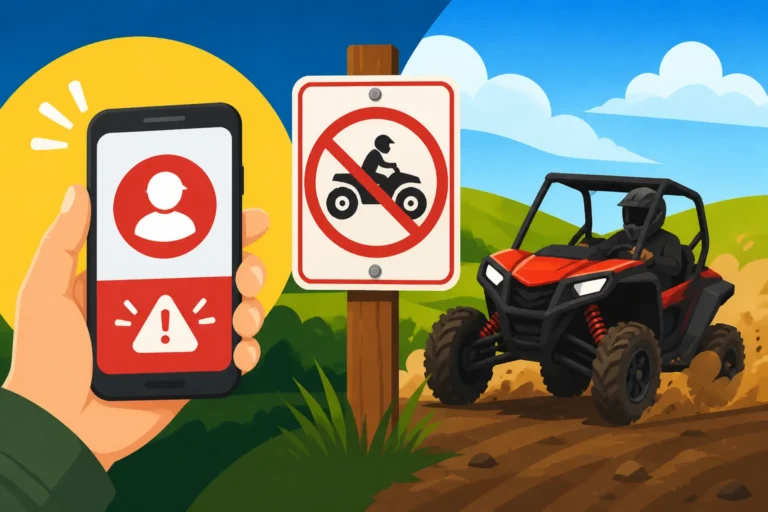
Beyond physical signs, North Dakota also allows for electronic posting. This means a landowner can register their land as "posted" with the county recorder, and riders are expected to check these records. This is a game-changer for many, as it means you can't always rely solely on what you see with your eyes on the ground. It places a responsibility on riders to do their homework, especially if they're venturing into unfamiliar territory. The bottom line is, if land is marked with proper signs or has been electronically posted, you need permission to enter. Ignoring these rules can lead to serious consequences, and ignorance of the law is rarely an acceptable excuse.
What "Fully Enclosed" Means in Practice
The term "fully enclosed parcel" often conjures images of tall fences and locked gates, but in the context of North Dakota law, it has a specific meaning. A parcel of land is generally considered "fully enclosed" if its boundaries are clearly defined by a fence, wall, or natural barrier that reasonably prevents entry or exit, and any gates or openings are also properly secured or marked. The presence of a gate on an otherwise enclosed parcel means the landowner is actively managing access to their property. This isn't just about keeping people out; it's often about containing livestock, protecting crops, or simply maintaining privacy and control over their land.
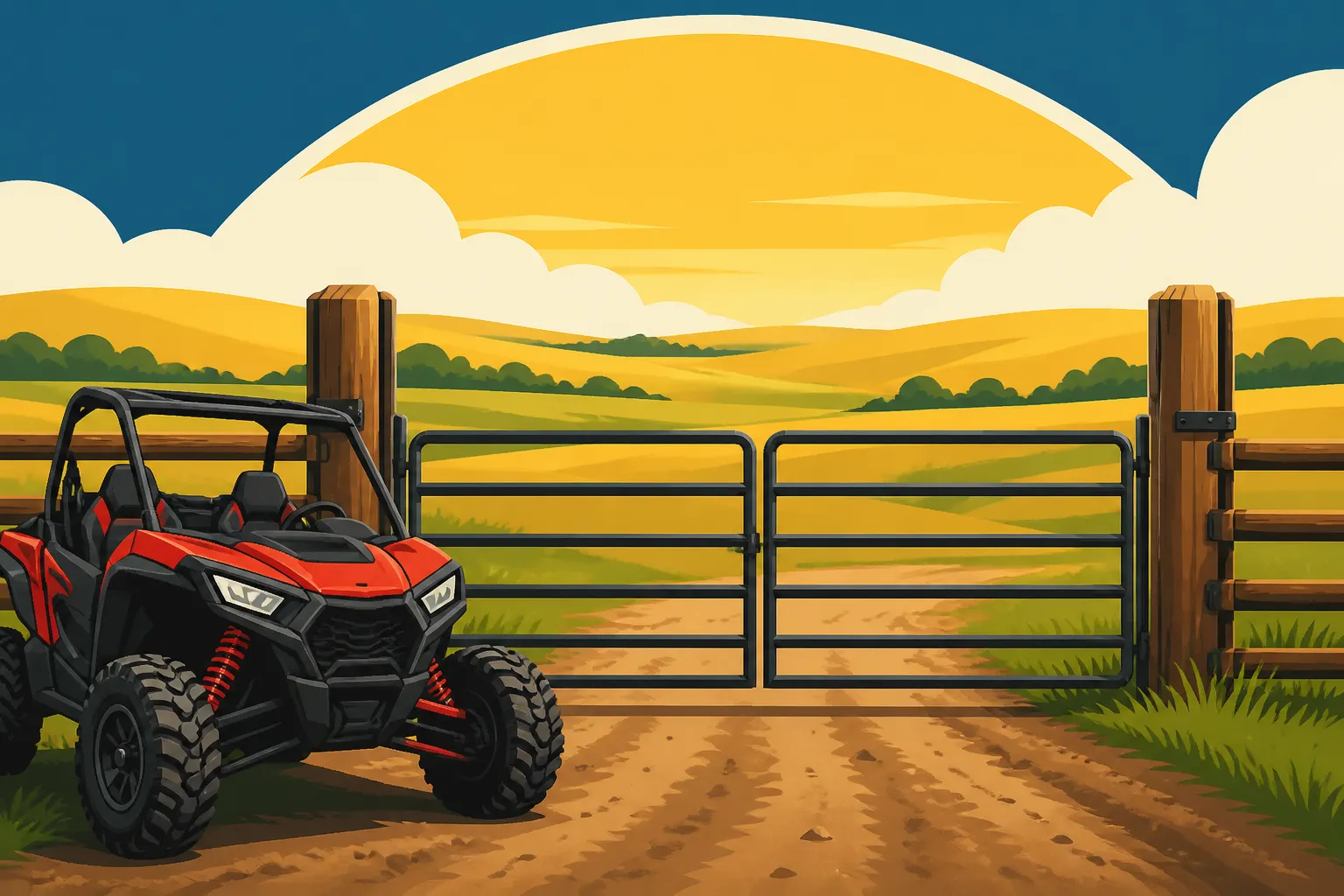
When you encounter a gate on an enclosed parcel, it's a strong signal that you are on or about to enter private property. Even if the gate is unlocked or appears easy to open, that doesn't automatically grant you permission to proceed. A gate, especially one that is part of a complete perimeter, serves as an extension of the "posted" concept. It’s a physical manifestation of the landowner's intent to control access. Respecting these physical boundaries, even if they seem minor, is paramount to responsible OHV riding. Remember, if a landowner has gone to the trouble of fencing and gating their property, they likely have a very good reason for it. Understanding [Why a Fenced Parcel Is Posted at the Gates] can help you appreciate their perspective.
Navigating Gates and Fences on Private Property
Encountering a gate on what looks like a promising trail can be frustrating, especially if you're not sure if it's public or private land. However, your approach to these situations is crucial for staying legal and maintaining good relationships with landowners. In North Dakota, the rule of thumb is always to err on the side of caution.
The Importance of Landowner Permission
Let's be absolutely clear: if land is posted, fenced, or gated, you must have explicit permission from the landowner to ride your ATV or UTV on it. This isn't just a suggestion; it's the law. Permission can come in many forms—a verbal agreement, a written permit, or even a casual wave from the farmer in the field. However, "implied" permission (like "the gate was open") is rarely a valid defense if you're caught trespassing. The safest bet is always to seek [Landowner Permission in Writing]. This protects both you and the landowner by documenting the terms of your access.
Often, landowners are perfectly happy to grant permission, especially if you approach them respectfully and explain your intentions. They might have specific areas they'd prefer you avoid, or times when they don't want riders on their property. Building these relationships is vital, as much of North Dakota's beautiful riding country is privately owned. A simple conversation can open up new riding opportunities and prevent potential conflicts. Always remember that property owners have the right to control who accesses their land, and respecting that right is the cornerstone of responsible outdoor recreation.
Best Practices When Encountering Gates
So, you've come across a gate. What do you do? First and foremost, assume it means "no entry" unless you have prior permission. If you have permission, the etiquette for dealing with gates is universally understood: leave it as you found it. If the gate was closed, close it behind you. If it was latched, latch it. This is especially critical in agricultural areas where gates are used to manage livestock. Forgetting to close a gate can have serious consequences for a farmer, leading to lost animals or damaged crops, and reflecting poorly on all OHV riders.
Consider the type of gate you're facing. Some might be simple wire gates, while others are heavy-duty metal. If you need to open and close a gate, do so carefully to avoid damaging it or your machine. Getting off your ATV or UTV to operate a gate properly is often necessary, even if it feels like a hassle. While you might see some riders trying to reach latches from their seat, it's safer and more respectful to dismount. If you frequently encounter gates on land where you have permission, you might consider durable accessories for your machine that can handle various terrain. Brands like SuperATV offer robust components that can stand up to tough conditions, though they won't open the gate for you! Just be mindful that any modifications to your vehicle should not impede your ability to safely dismount and operate gates by hand. For those riding to hunt or access specific areas, understanding [Gates and Livestock Etiquette] is also highly beneficial.
Consequences of Unauthorized Entry and Trespass
It might seem like a minor infraction to just "sneak through a gate," but the consequences of trespassing on a fully enclosed parcel in North Dakota can be much more severe than many riders realize. It's not just about a potential fine; it's about your reputation, the reputation of the OHV community, and the legal ramifications that can follow you.
Understanding North Dakota's Trespass Laws
North Dakota law takes trespassing seriously, especially when it involves motor vehicles. Riding your ATV or UTV on posted, fenced, or gated private land without permission is a violation. Generally, the first offense for recreational trespassing might be a Class B misdemeanor. While that might not sound too intimidating, a misdemeanor conviction can still carry fines and, in some cases, even jail time, though jail time for a first-time recreational trespass is rare. More importantly, it creates a criminal record that can impact future opportunities.
The law is designed to protect landowners' rights. If you're caught, the landowner has every right to involve law enforcement. Officers will often ask for proof of permission, and if you can't provide it, you're in a difficult situation. It’s also worth noting that repeated offenses or causing damage while trespassing can escalate the charges significantly. Imagine having your prized side-by-side impounded or facing legal action for damages because you ignored a simple gate. It's a risk simply not worth taking, especially when a polite conversation with a landowner might grant you legitimate access. Always review [North Dakota Trespass Law for Riders] to stay informed.
Penalties and Reputations: More Than Just a Fine
Beyond the immediate legal penalties, unauthorized entry onto private land carries a heavy cost for the entire OHV community. Every instance of disrespectful or illegal riding erodes trust between landowners and riders. When a landowner has a bad experience with someone on an ATV, they're much less likely to grant permission to anyone else in the future. This closes off potential riding areas for everyone. It creates a negative stereotype that honest, responsible riders then have to work extra hard to overcome. We all want more places to ride, and disrespecting existing property boundaries actively works against that goal.
Furthermore, consider the long-term impact on your own reputation. In rural communities, word travels fast. Being known as someone who disregards private property can impact your standing in the community, not just with landowners but with potential employers, neighbors, and even other riders. A simple act of cutting through a gated field can lead to a lasting negative perception. When you're out riding, you're an ambassador for the entire sport. By showing respect for posted signs, closed gates, and private property, you contribute positively to the perception of OHV riding, ensuring that these incredible opportunities remain available for years to come. Remember, even if you are out with a group, each individual is responsible for their own actions. Planning a [North Dakota Group Ride Planning] responsibly means making sure everyone understands and respects these critical boundaries.
| Encountering a Gate: What to Do | Private Land (Posted/Enclosed) | Public Land (Designated Trail) |
|---|---|---|
| Have Prior Permission? | REQUIRED. Yes, proceed cautiously, leave as found. No, DO NOT ENTER. | Not applicable for entry, but trail rules apply. |
| Gate Status (Open/Closed)? | If you have permission, leave it as you found it. If closed, close it behind you. If open, leave it open. | Open and close it if necessary to pass, always leaving it as you found it. |
| Signage Present? | "No Trespassing," "Private Property," or "Keep Out" signs mean DO NOT ENTER without permission. | Trailhead signs or markers indicate designated OHV access. |
| What to Assume | Assume access is prohibited unless you have explicit permission. | Assume access is permitted on marked trails. |
| Best Action | Turn around, find an alternative route, or seek landowner permission. | Proceed carefully, following all trail rules and regulations. |
Disclaimer
This article is for general informational purposes only and does not constitute professional advice. Laws, prices and regulations vary by location and change over time. Consult a qualified professional for guidance on your specific situation.