Carrying a Passenger the Manufacturer Actually Allows
We’ve all been there: you’re gearing up for a fantastic ride across North Dakota’s incredible landscapes, maybe heading out to explore Pembina Gorge or just cruising a section line, and a friend or family member asks, "Can I come with you?" It's a natural question, especially when the prairie views are so captivating. But before you invite them to hop on, it's absolutely crucial to understand what your off-highway vehicle (OHV) is actually designed for and what the manufacturer allows. This guide will walk you through the ins and outs of safely and legally carrying a passenger on your ATV or UTV, focusing on those all-important manufacturer specifications.
The Core Question: Is Your Machine Even Designed for a Passenger?
It might seem obvious, but the very first step in deciding whether you can bring a passenger along is to look at your machine's original design. Not all ATVs and UTVs are created equal when it comes to carrying more than just the operator. Ignoring these fundamental design principles isn't just a risk; it's a direct invitation for trouble, compromising stability, handling, and ultimately, the safety of everyone involved.
Single-Rider Machines: The "No Passenger" Rule
If you own a traditional ATV, chances are it's built for one rider only. These machines, often called "single-rider" or "sport" quads, are engineered with a specific weight distribution, center of gravity, and seating arrangement meant for one person. The seat is typically shorter, there are no passenger handholds, and the footrests are positioned solely for the operator. Trying to squeeze another person onto a single-rider ATV shifts the weight dramatically, making the machine unstable and incredibly difficult to control. Imagine trying to balance a bicycle built for one with two people on it – it just doesn't work safely. The manufacturer has explicitly designed these machines to be solo adventures, and for good reason. Piling on an extra person can lead to severe accidents, even on seemingly flat terrain, and can void warranties or impact insurance claims down the line.
Two-Up ATVs: Built-In Capacity
Thankfully, manufacturers recognized the desire for shared experiences, leading to the development of "two-up" or "tandem" ATVs. These machines are purpose-built to safely accommodate an operator and one passenger. How do you spot them? They usually feature an extended seat, providing ample room for two adults without cramping. More importantly, they include dedicated passenger handholds (often integrated into the backrest or frame) and separate, raised footpegs for the passenger. These design elements are not just for comfort; they are critical safety features. They allow the passenger to maintain their balance independently, absorb bumps, and stay securely seated during maneuvers, significantly reducing the risk of being thrown off. If your ATV has these features from the factory, you're in good shape to consider bringing a partner along, provided you also adhere to weight limits and proper riding techniques.
Side-by-Sides: Seating Capacity Varies Widely
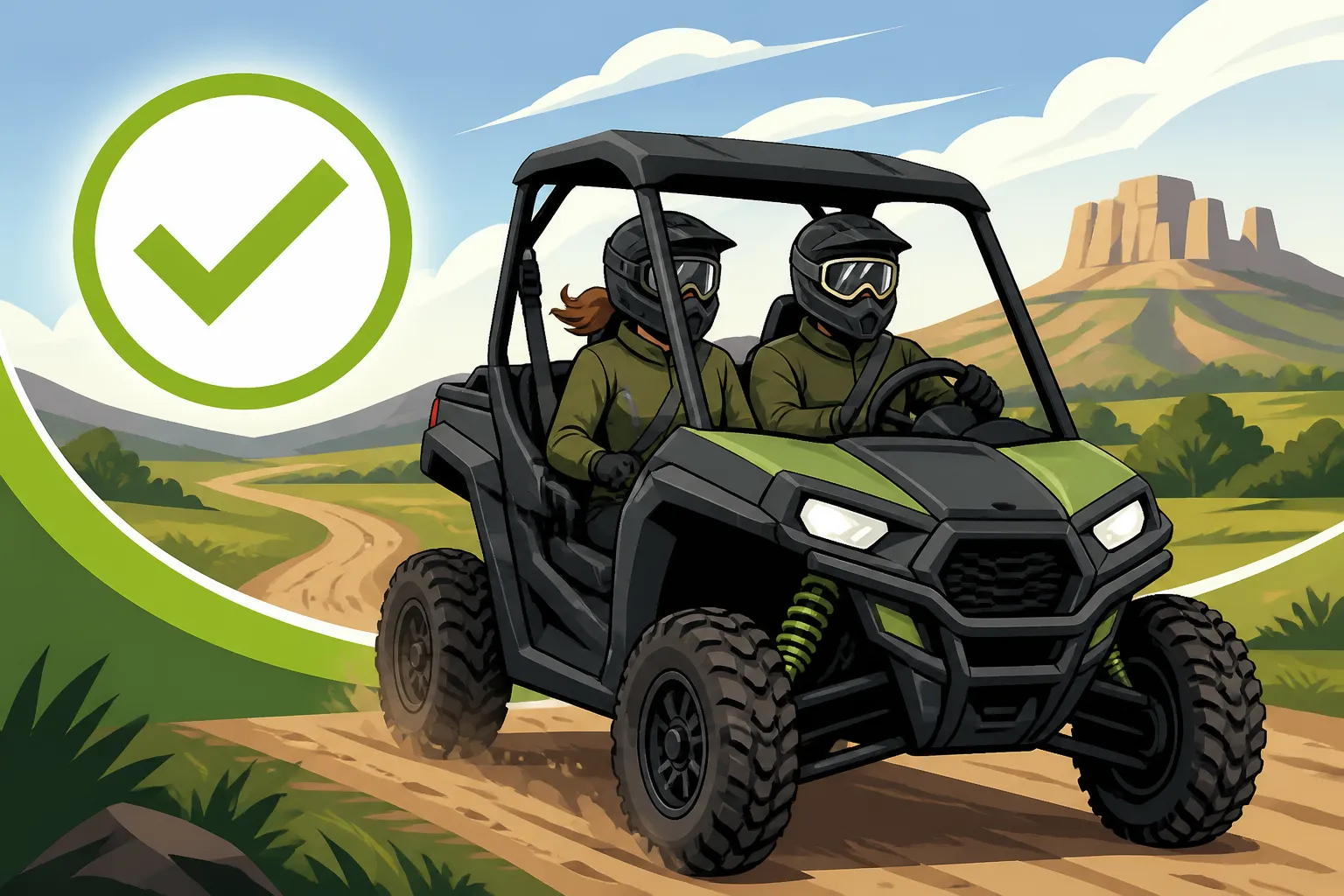
UTVs, or side-by-sides, offer a much broader range of passenger capacities, which can be both a blessing and a point of confusion. From compact two-seaters to massive six-passenger utility vehicles, there's a UTV for almost every group size. The key is to look at the actual number of seats, whether they are individual bucket seats or bench-style seating, and the presence of safety restraints like seatbelts. A two-seat UTV with bucket seats is obviously designed for two, whereas a UTV with a bench seat might be designed for two or three passengers, depending on the width and manufacturer's rating. Always check the machine's specific labeling or owner's manual to confirm its maximum passenger capacity. Don't assume that because there's "room" for someone to squeeze in, it's actually safe or permitted by the manufacturer. Overloading a UTV, even by just one extra person beyond its design, can severely affect its stability, especially on uneven ground or during turns, and is a significant safety hazard.
Beyond the Seat: What Manufacturer Specifications Really Mean
Manufacturer specifications are more than just suggestions; they are engineering mandates born from extensive testing and safety considerations. Understanding and adhering to these details is paramount, not just for compliance but for the sheer safety of your passengers and yourself. Ignoring them can lead to dangerous situations and potential legal issues, which are the last things you want to deal with when you're out enjoying North Dakota's great outdoors.
Understanding Weight Limits and GVWR
Every ATV and UTV has a Gross Vehicle Weight Rating (GVWR), which is the maximum total weight the vehicle can safely carry. This isn't just about the weight of the machine itself; it includes the operator, any passengers, fuel, cargo, and any aftermarket accessories. You can usually find this crucial number on a sticker on the vehicle frame or in the owner's manual. Exceeding the GVWR is incredibly dangerous. It can compromise the machine's suspension, leading to premature wear or failure, and severely impact braking performance, making it harder to stop, especially at higher speeds or on downhill grades. Handling will also suffer, as the center of gravity shifts, making the vehicle prone to rollovers or loss of control.
Imagine trying to navigate a challenging trail near the Roughrider OHV Trail with two heavy adults and a cooler full of supplies on a machine rated for a much lighter load. The tires could be stressed beyond their limits, the suspension might bottom out, and your ability to steer precisely will be diminished. While heavy-duty accessories from brands like SuperATV can enhance certain aspects of your machine, they don't magically increase its GVWR or passenger capacity beyond the original manufacturer's intent. Always calculate the total weight you're putting on your machine, including everyone and everything you plan to carry, and compare it to the manufacturer's specified limits.
Manufacturer Labels, Manuals, and Warnings
Manufacturers place warning labels on your OHV for a reason – they're not just decorations. These labels often detail maximum weight capacities, passenger limits, and safe operating procedures. Your owner's manual is another goldmine of information, containing comprehensive guidelines on safe operation, maintenance, and specific limitations. Reading and understanding these documents is essential. They are legally binding safety instructions, and failing to adhere to them can have serious consequences.
If an accident were to occur while you were carrying more passengers or weight than the manufacturer allowed, you could face significant liability. Your insurance company might deny a claim, and you could be held personally responsible for injuries or damages. Always consult these resources. They are your first line of defense in ensuring everyone's safety and staying compliant with your machine's design intent. Ignoring a manufacturer's warning to carry only one rider, for instance, could lead to a situation where you need to refer to [North Dakota Accident Reporting for an OHV].
The Role of Seating Position and Safety Features
Beyond just the number of people, the way passengers are seated and secured is vital. For ATVs designed for two, the passenger should always sit directly behind the operator, facing forward, with a firm grip on the designated handholds and their feet securely on the passenger footpegs. On UTVs, every passenger must be seated in an approved seating position, utilizing the provided seatbelts or harness systems. Children, in particular, need to be in a position where they can reach the footrests and hold on properly, ensuring their safety.
Never allow a passenger to stand up, ride on the cargo rack, or sit in any improvised position. These practices are extremely dangerous, as a sudden bump or turn could easily eject them from the vehicle. UTVs offer more enclosed spaces and safety features like roll cages and doors, but these are only effective if passengers are properly restrained. Familiarize yourself with [North Dakota Passenger Rules on an OHV] to ensure you're not only following manufacturer guidelines but also state law. Proper use of all safety features, from seatbelts to grab handles, is non-negotiable for a safe ride.
North Dakota Law and Manufacturer Intent: A Crucial Connection
In North Dakota, as in many states, state law and manufacturer intent go hand-in-hand when it comes to OHV safety. The state's regulations are often built on the foundation of manufacturer specifications, recognizing that these guidelines are developed to ensure the safest operation of the vehicle. This connection is not just theoretical; it has real-world implications for how you ride, your liability, and even your ability to stay out of trouble with local authorities.
Why North Dakota Cares About Manufacturer Design
North Dakota's laws are designed to promote safety and prevent accidents involving OHVs. When it comes to passenger capacity, state statutes frequently defer to the manufacturer's design. Why? Because manufacturers have spent countless hours and resources engineering their machines for specific loads, stability, and handling characteristics. A machine designed for one rider simply isn't safe with two, regardless of how experienced the operator is. The state understands this and expects owners to operate their OHVs according to these fundamental safety guidelines.
Operating an OHV in a manner contrary to its manufacturer's design can be seen as reckless operation. This isn't just about common sense; it has legal weight. If an incident occurs, especially if someone is injured, not adhering to manufacturer recommendations regarding passenger capacity can significantly impact legal proceedings and liability assessments. It directly relates to [What North Dakota's OHV Law Requires of Owners], which implicitly expects responsible operation within vehicle limits. You're not just breaking an unwritten rule; you could be breaking a widely accepted safety standard that carries legal weight.
Consequences of Overloading or Improper Passenger Carrying
The immediate consequences of carrying too many passengers or improperly carrying them can range from a minor inconvenience to a severe tragedy. On the road, or even on designated trails, an officer observing an overloaded OHV can issue a citation. The cost of a ticket for a road violation, such as [North Dakota Ticket Cost for a Road Violation], can quickly add up, not to mention potential court costs. But beyond the financial penalties, the real risk lies in the increased likelihood of an accident.
Overloading can cause the machine to handle unpredictably, making it difficult to steer or stop quickly. This instability is a leading cause of rollovers, which can result in serious injuries, even at low speeds. If an accident does occur, your insurance coverage could be jeopardized. Most insurance policies have clauses that relate to operating the vehicle within its intended design and safety limits. If you were found to be operating outside those limits, your claim might be denied, leaving you personally responsible for medical bills, property damage, and legal fees. Remember that [North Dakota Insurance Requirements at Registration] are in place for a reason, but they don't cover every scenario if you're not operating safely.
When Modifications Come into Play
The aftermarket world offers a vast array of accessories and modifications for ATVs and UTVs. While many of these, such as specialized tires from SuperATV or enhanced suspension components, can improve your machine's performance or utility, it’s critical to understand their limitations regarding passenger capacity. Adding an aftermarket seat to a single-rider ATV, for example, does not magically transform it into a safe two-up machine. The frame, suspension, engine power, and braking system were all engineered for a single operator. An added seat might make it seem like there's room, but it doesn't address the fundamental design constraints.
Such modifications, especially those that alter the intended passenger capacity, can create a false sense of security. They do not change the manufacturer's original GVWR or the safety warnings. In the eyes of the law and for insurance purposes, the original manufacturer's specifications usually hold precedence. If you modify your machine in a way that allows you to carry more passengers than intended, you're potentially increasing your risk and liability significantly, regardless of how sturdy the aftermarket part seems. Always consult your owner's manual and local North Dakota regulations before making modifications that could impact safety or passenger limits.
Practical Tips for Safe Passenger Riding in North Dakota
Riding an OHV with a passenger, especially in the diverse terrain North Dakota offers, demands extra vigilance and preparation. It's not just about finding a machine that allows a passenger; it's about making sure every ride is as safe and enjoyable as possible. A little forethought and communication can go a long way in preventing mishaps and ensuring everyone has a great time, whether you're traversing a gravel road or enjoying one of [North Dakota OHV Trails: All Four Riding Areas].
Pre-Ride Checks and Communication
Before you even turn the key, a thorough pre-ride check is more critical with a passenger. Check your tire pressure to ensure it's at the recommended level for the combined weight of riders and cargo. Test your brakes—they'll have more work to do with extra weight. Ensure all safety restraints (like seatbelts in a UTV) are functioning correctly and that your passenger knows how to use them.
Crucially, establish clear communication with your passenger before you start moving. Discuss hand signals for slowing down, stopping, or pointing out hazards. Explain how they should lean with you into turns on an ATV or brace themselves for bumps in a UTV. A passenger who knows what to expect and how to react is a much safer passenger. Make sure they understand the importance of keeping their arms and legs inside the vehicle at all times and not distracting the driver. Also, always ensure that children meet the minimum age and size requirements to be a passenger, and remember that [North Dakota Helmet Law for Riders Under 18] requires helmets for younger riders.
Riding Techniques with a Passenger
Carrying a passenger fundamentally changes how your OHV handles. The added weight, especially on an ATV, raises the center of gravity and increases the vehicle's momentum. This means:
- Slower Speeds: You'll need to reduce your speed, particularly when cornering, going over bumps, or on uneven terrain. The machine will feel heavier and less nimble.
- Increased Braking Distance: With more weight, it will take longer to stop. Anticipate stops and apply brakes smoothly and earlier than you would solo.
- Smoother Inputs: Avoid sudden acceleration, sharp turns, or aggressive maneuvers. Smooth inputs on the throttle, brakes, and steering wheel are key to maintaining stability and preventing your passenger from being jolted or losing balance.
- Balance on ATVs: On an ATV, the passenger needs to lean with the driver into turns. Practice this in a safe, open area before hitting trails. The driver must communicate these movements clearly.
Always be mindful of the terrain. A simple ditch ride might feel different with a passenger, and trails with steep inclines or declines will require extra caution. If you're riding on a [North Dakota Rules for Riding a Gravel Road], be aware of loose aggregate and how it affects traction with extra weight.
Equipping Your Passenger for the Ride
Just like the operator, passengers need appropriate safety gear. This isn't just a recommendation; it's a vital layer of protection.
Here's what your passenger should have:
| Item | Importance |
|---|---|
| DOT-Compliant Helmet | Essential head protection against impacts. |
| Eye Protection | Goggles or a full-face helmet visor to shield eyes from dust, debris, and insects. |
| Long-Sleeve Shirt | Protects skin from scrapes, sun exposure, and branches. |
| Long Pants | Durable pants like denim or riding pants protect legs from exhaust heat and impacts. |
| Over-the-Ankle Boots | Provides ankle support and protects feet from impacts and crushing injuries. |
| Gloves | Improves grip and protects hands from blisters, abrasions, and cold. |
Beyond personal protective equipment, consider what else might make the ride safer and more comfortable. If you're planning a longer outing, bring water, snacks, and perhaps a small first-aid kit. Remember, while SuperATV has fantastic gear for your machine, personal safety gear is paramount for your riders. Make sure your vehicle is also equipped with the necessary safety features as outlined in [North Dakota Equipment Required on a Roadway] if you plan on operating on public roads. Being prepared for any eventuality, from a sudden rain shower to an unexpected mechanical issue, ensures that your shared North Dakota OHV adventure remains a positive memory.
Disclaimer
This article is for general informational purposes only and does not constitute professional advice. Laws, prices and regulations vary by location and change over time. Consult a qualified professional for guidance on your specific situation.