North Dakota City Ordinances on OHV Riding
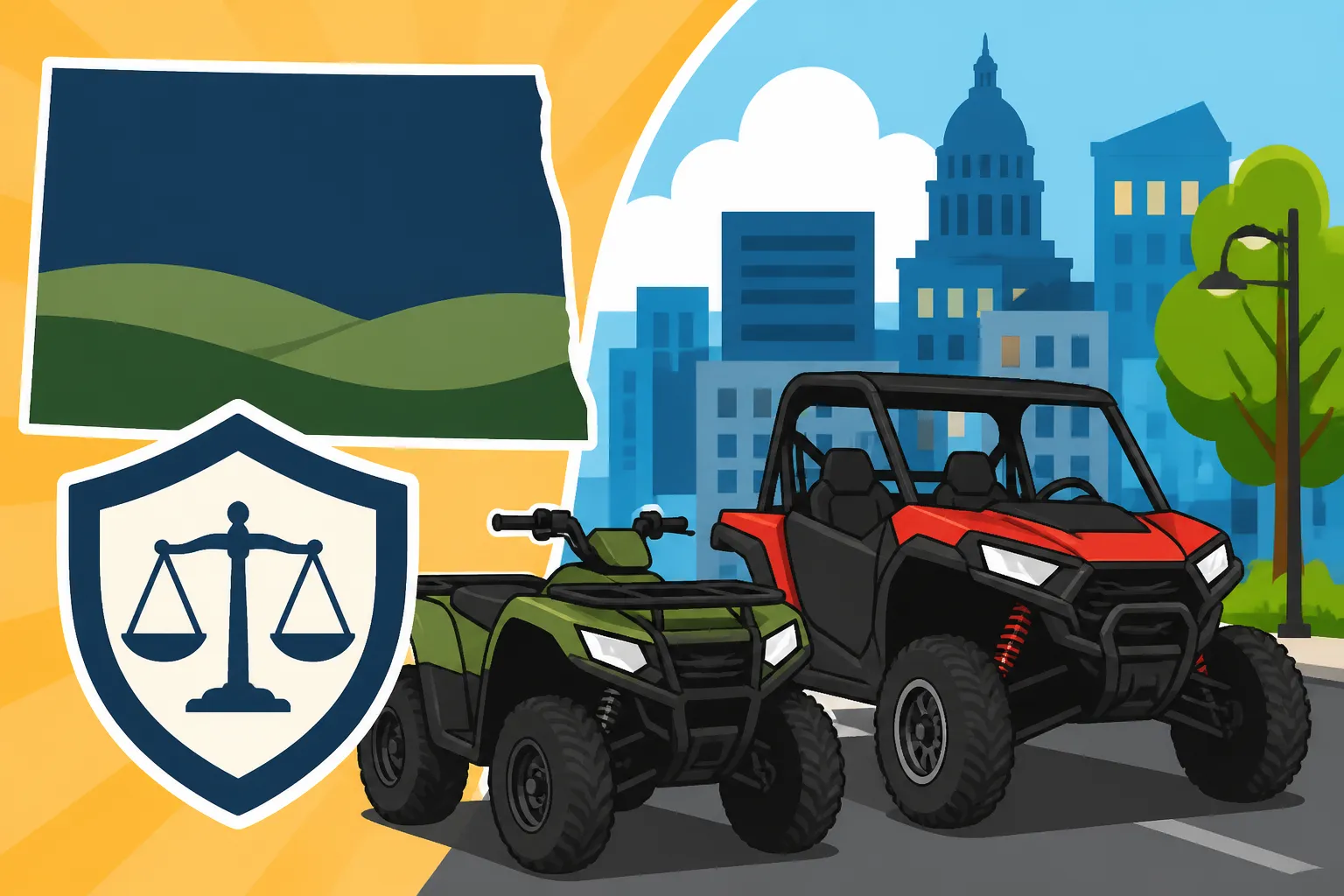
It can be incredibly frustrating to feel like you've done everything right – you've registered your ATV or UTV with the state, maybe even titled it, and bought your shiny new machine from a dealer, perhaps even with some sweet upgrades from a brand like SuperATV. Then, you head into town, only to wonder, "Can I actually ride this thing here, or am I just asking for a ticket?" This guide is all about cutting through the confusion of city ordinances on OHV riding in North Dakota, so you know exactly what to expect when you take your machine into a local municipality.
The State Law: Cities Cannot Create Their Own OHV Registration
One of the biggest reliefs for off-highway vehicle (OHV) owners in North Dakota is knowing that cities can't just dream up their own separate registration or permitting schemes. The state has been pretty clear on this: if your machine is registered with the North Dakota Department of Transportation (NDDOT), that's the primary registration that counts. You won't find yourself needing a "Fargo ATV sticker" or a "Bismarck UTV pass" in addition to your state decal.
This is a crucial point that often catches people off guard, especially if they've moved from other states where local municipalities have more autonomy in creating their own unique OHV programs. North Dakota's approach streamlines the process, ensuring that once you've gone through the state registration hoops, you're not immediately hit with another layer of bureaucracy at the city level for the same basic permission to operate. It simplifies the overall burden on riders, which is something we can all appreciate when dealing with paperwork.
However, it’s important not to confuse the absence of a local registration requirement with a free pass to ride anywhere. Just because a city can’t make you buy another sticker doesn’t mean they can’t impose other restrictions on where, when, or how you operate your OHV within their corporate limits. This distinction is vital for avoiding an unexpected conversation with local law enforcement, and it’s where many riders get tripped up.
How Cities Can and Do Restrict OHV Riding
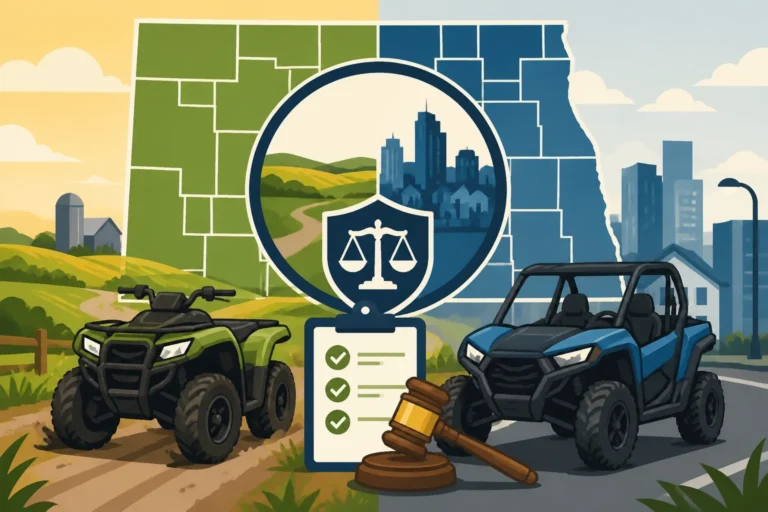
While cities can't demand their own separate registration for your OHV, they absolutely have the authority to regulate where and when you can ride within their boundaries. Think about it: a city has an obligation to maintain public safety, manage traffic, and address noise concerns for its residents. This means they can implement ordinances that specifically prohibit or limit OHV use on certain streets, in parks, or during specific hours.
The general approach by most North Dakota cities is to restrict OHV travel to designated areas or to prohibit it outright on paved city streets, unless it's for very specific, limited purposes like farm use or utility work. This is a common point of contention, as many riders feel that if their machine is registered and capable of road travel under state law, it should apply everywhere. Unfortunately, local control often supersedes general state allowances, especially in densely populated areas.
It's also worth noting that these local rules can be quite varied. What's allowed in a smaller town like Grafton might be completely different from the restrictions you'd encounter in a larger city like Fargo or Bismarck. This patchwork of regulations is exactly why riders need to be proactive in [Checking With Local Law Enforcement First] before planning any city-based riding adventures. A quick call can save you a lot of grief and potential fines.
Prohibitions on Paved Streets and Public Property
Most North Dakota cities have ordinances that strictly prohibit OHV use on paved public streets. The rationale often comes down to vehicle design, traffic safety, and noise. While some OHVs can be equipped for limited road use under state guidelines, cities view the interaction of these machines with regular vehicle traffic as a potential hazard.
Imagine trying to navigate a busy downtown street in Fargo during rush hour on an ATV. The difference in speed, visibility, and maneuverability compared to traditional cars and trucks creates legitimate safety concerns for city planners. Furthermore, the knobby tires and suspension systems designed for off-road terrain are not ideal for paved surfaces, leading to potential wear and tear on roads and increased noise that can disrupt residential areas. This is often where noise complaints lead to stricter enforcement.
Public property beyond streets, such as city parks, sidewalks, and designated recreational areas not specifically marked for OHV use, are also typically off-limits. These areas are usually reserved for pedestrians, bicycles, or other forms of non-motorized recreation. Riding your OHV through a city park, even if it seems empty, could quickly lead to a citation for trespassing or violating a local ordinance. Many cities take a very dim view of motorized vehicles on manicured green spaces or pedestrian pathways.
Noise, Time, and Specific Area Restrictions
Beyond outright prohibitions on certain roads, cities can impose restrictions based on factors like noise levels, time of day, and the specific zoning of an area. Noise ordinances are a big one for OHVs. Even if your machine's muffler meets state requirements, a city might have stricter rules regarding excessive noise, especially in residential zones or during nighttime hours. Nobody wants their sleep interrupted by a roaring engine at 11 PM.
Some cities might allow OHV use on specific unpaved roads or alleys, but only during certain daylight hours to minimize disruption. For example, a town might permit farm equipment, which sometimes includes OHVs, to use certain streets to access fields, but only from sunrise to sunset. You might find that [North Dakota Muffler Requirements] are just the baseline; local peace ordinances can layer on additional expectations.
Then there are area-specific restrictions. A city might designate certain undeveloped areas or gravel paths as permissible for OHVs, while strictly forbidding them in commercial districts or heavily populated neighborhoods. These rules are often put in place to direct OHV traffic away from sensitive areas, reduce congestion, and prevent damage to infrastructure. It's not uncommon for cities to enforce these rules with signs, though sometimes you have to know to look for them.
Practical Steps for Riders: How to Navigate City Rules
The key to successfully navigating North Dakota's city ordinances on OHV riding is proactive research and a healthy dose of common sense. Don't assume that because you can legally ride in a ditch in the county that you can also zip down Main Street. The rules change dramatically once you enter municipal limits, and being prepared is your best defense against fines and frustrations.
For example, if you live in a larger city like Minot, you might find very specific rules for OHVs within city limits, whereas a smaller rural town might have a more relaxed stance, or even no specific OHV ordinance at all, relying instead on general traffic laws. This variability makes it essential to do your homework for each individual location. The worst thing you can do is just "wing it" and hope for the best, because ignorance of the law is rarely an acceptable excuse.
It's also worth noting that enforcement can vary. Some cities might have very strict patrols, while others might only respond to complaints. Regardless, it's always best to err on the side of caution. Remember, you're an ambassador for the OHV community, and violating local rules can lead to negative perceptions that hurt everyone's access in the long run.
Checking Specific City Ordinances
The absolute best way to know the rules for a specific city is to consult their municipal code. Most cities in North Dakota have their ordinances available online through their official city website. You'll typically look for sections related to "traffic," "motor vehicles," "recreation," or "public safety." Search terms like "off-highway vehicle," "ATV," "UTV," or "all-terrain vehicle" within the city's code will usually lead you to the relevant sections.
For example, if you're planning to ride in Grand Forks, you'd head to their city website and search their municipal code. You might find that [North Dakota Rules for Riding in Grand Forks] specifically address where OHVs are permitted. It's not always straightforward, as sometimes the rules are buried within broader traffic regulations, but with a bit of digging, you can usually find what you need. If the online search is fruitless or confusing, your next step should always be to reach out directly to the city.
Another option is to contact the city clerk's office or the local police department (the non-emergency line, of course). They can often provide clarity or direct you to the specific ordinance sections. Many riders find that a quick, polite phone call is the easiest way to get accurate, up-to-date information, especially if the online codes are outdated or hard to interpret. It shows you're being responsible, which goes a long way.
Common City Restrictions and Exceptions
While city ordinances vary, there are some common themes you'll encounter. As mentioned, paved streets are almost universally off-limits, with exceptions often made for agricultural purposes, snow removal (if permitted by the city), or utility work. Some cities might allow OHV access on unpaved alleys or service roads, but this is usually explicitly stated.
A table outlining some common city restrictions might look something like this:
| Restriction Type | Common City Approach | Typical Rationale |
|---|---|---|
| Paved Streets | Generally prohibited | Safety, noise, road wear |
| City Parks | Generally prohibited | Pedestrian safety, environmental protection |
| Sidewalks | Always prohibited | Pedestrian safety |
| Noise | May have stricter limits than state law, especially at night | Quality of life, peace disturbances |
| Hours of Operation | Often limited to daylight or specific hours in permitted areas | Noise control, public safety |
| Unpaved Alleys/Roads | Sometimes permitted for specific purposes (e.g., access) | Limited traffic, less impact than paved roads |
| Designated Trails | Rarely exist within city limits; usually outside | Space constraints, land use planning |
It's critical to understand any exceptions. For example, some cities might have specific permits for parades or special events that allow temporary OHV access on streets otherwise closed. Farmers often have broader rights to use OHVs on certain roads for agricultural purposes. However, these exceptions are usually narrow and require explicit permission or fall under specific state statutes like those defining [North Dakota Rules for Riding to a Field]. Always check the specifics.
The Broader Impact on OHV Access and Community Relations
City ordinances aren't just about avoiding a ticket; they reflect the ongoing tension between OHV enthusiasts and urban or suburban communities. When riders disregard local rules, it can lead to increased public pressure on city councils to enact even stricter bans or to completely eliminate any existing allowances for OHVs. This ripple effect can hurt the entire riding community.
On the flip side, responsible riding and adherence to local regulations can foster better relations and sometimes even lead to positive changes, such as the development of dedicated riding areas or clearer, more permissive ordinances where feasible. It's a two-way street, and the choices individual riders make can have a collective impact.
Understanding these broader implications helps explain why cities put these rules in place and why they are often enforced. It's not always to spite riders, but to maintain a balance of community interests. As an OHV owner, being a good neighbor and respecting local laws is paramount to preserving access for everyone.
Advocating for Responsible Riding and Access
If you feel that a city's ordinances are overly restrictive or don't adequately address the needs of OHV owners, there are avenues for advocacy. Joining local OHV clubs or associations is an excellent first step. These groups often have direct lines of communication with city officials and can present a unified front. They can also provide valuable insights into ongoing discussions about local OHV policies.
Responsible riding demonstrations, educational campaigns, and active participation in public meetings can also make a difference. Showing up, being polite, and presenting well-reasoned arguments based on safety, economic benefits, and responsible land use can be far more effective than simply complaining after the fact. Highlighting how your machine, perhaps outfitted with sturdy protection from SuperATV, can be used responsibly and safely within certain parameters can help build a positive image.
Furthermore, ensuring your machine meets all state requirements for road-legal operation, where applicable, strengthens your case. Things like proper lighting, mirrors, and [North Dakota Insurance Requirements at Registration] are not just legal necessities but also demonstrate a commitment to safety and compliance, which resonates with local policymakers.
What a Violation Could Mean
Ignoring city ordinances can lead to more than just a minor inconvenience. Depending on the severity of the violation and the specific city's code, you could face significant fines. Many OHV violations at the local level are classified as misdemeanors, and while they might not carry the same weight as a felony, they can still result in substantial financial penalties and potentially even impoundment of your machine. [What a Class B Misdemeanor Means in North Dakota] for example, can include jail time and thousands in fines, although less severe penalties are more common for first-time OHV infractions.
Beyond the immediate legal repercussions, a violation can damage the public perception of OHV riders. One person's irresponsible act can create negative stereotypes that impact everyone else who rides. It's a reminder that every time you take your OHV into a public space, you're not just representing yourself, but the entire OHV community. The aim is always to ride safely, legally, and respectfully, ensuring that off-road opportunities remain open and accessible for all enthusiasts in North Dakota.
Disclaimer
This article is for general informational purposes only and does not constitute professional advice. Laws, prices and regulations vary by location and change over time. Consult a qualified professional for guidance on your specific situation.