North Dakota Rules for Riding a Township Road
Many ATV and UTV riders in North Dakota feel a real pull towards exploring those quieter, less-traveled township roads, wondering if it's even allowed. The open stretches of gravel and dirt can seem like an ideal way to connect trails or simply enjoy a scenic ride, but the legalities can feel like a maze. You might feel a mix of excitement and apprehension, picturing a peaceful cruise but dreading a potential run-in with law enforcement or an upset landowner. This guide is here to clear up the confusion, walking you through everything you need to know about legally and safely riding your off-highway vehicle on North Dakota's township roads.
Understanding North Dakota's Township Roads for OHV Use
Before we dive into the nitty-gritty of what you can and can't do, it's really helpful to understand what a "township road" actually is in North Dakota. Unlike the bustling highways or even the more heavily maintained county roads, township roads are often the unsung heroes of rural travel. They typically connect smaller communities, provide access to agricultural fields, or serve residential areas outside city limits. These roads are managed by local township boards, which means they can sometimes have specific nuances you won't find on state-managed routes.
The appeal of these roads for ATV and UTV enthusiasts is obvious. They're usually less congested, offer beautiful scenery, and can be a great way to link up different riding areas or simply enjoy a Sunday afternoon cruise. However, this accessibility also comes with a responsibility to understand and respect the rules. It's not just about avoiding a ticket; it's about being a good neighbor and ensuring continued access for all responsible riders.
When thinking about riding on these roads, it's also crucial to distinguish between the actual road surface and the ditch. In North Dakota, the legal definitions can be very specific, and what's allowed in one area might be restricted in another. Many riders instinctively think of the ditch as fair game, but even that has rules. We'll explore these distinctions in more detail, helping you ride with confidence, knowing you're on the right side of the law.
General Rules and Conditions for OHV Access on Township Roads
So, can you actually ride your ATV or UTV on a North Dakota township road? The good news is, yes, under certain conditions! North Dakota's laws are generally more permissive than many other states when it comes to OHV use on public roads, especially gravel ones. However, this isn't a free-for-all. There are specific requirements for your machine, for you as the operator, and for the way you conduct your ride. Ignoring these rules can lead to fines, citations, and even the loss of riding privileges.
The primary goal of these regulations is safety for everyone sharing the road—whether that's you on your OHV, a farmer driving a tractor, or a family in a car. It's also about minimizing conflict and damage to public and private property. You can find detailed information on the broader context of [North Dakota Ditch Riding: The Legal Right Explained], which helps set the stage for understanding township road access. These rules cover everything from where you can ride on the road to what time of day, and even the minimum engine size your machine needs to have.
One crucial aspect is the type of road surface. While [North Dakota Gravel Roads Open to Registered Machines] generally welcome OHVs that meet the requirements, paved township roads might have different limitations. Always assume a more restrictive rule applies until you've verified it. This cautious approach will save you a lot of headache in the long run.
Who Has the Final Say on Township Road Access?
This is where things can get a little tricky. While state law provides a general framework for OHV use on public roads, individual township boards have a significant amount of control over the roads within their jurisdiction. This means a township board can impose further restrictions or even close certain roads to OHVs, even if state law would otherwise permit access. It’s why you might hear different rules depending on which part of the state you’re in.
It’s not uncommon for township boards to receive complaints about noise, dust, or reckless riding, which can lead them to enact stricter local ordinances. If you're planning to ride extensively in a particular township, it's always a good idea to check with their local officials or attend a board meeting to understand their stance. Understanding [Where a Township Board Stands on OHV Riding] can prevent you from inadvertently violating a local rule that could result in a citation or, worse, upset the community. Being proactive and informed is key to maintaining good relationships and continued riding access.
Local control can also be a double-edged sword. While some townships might restrict access, others might be quite welcoming, especially if they see the economic benefit from riders or if the roads are primarily used for agriculture and recreation. The important takeaway is that state law provides the baseline, but local ordinances can add layers of restriction, so always verify specific local rules before you ride.
Ditch Riding Versus Road Surface Travel
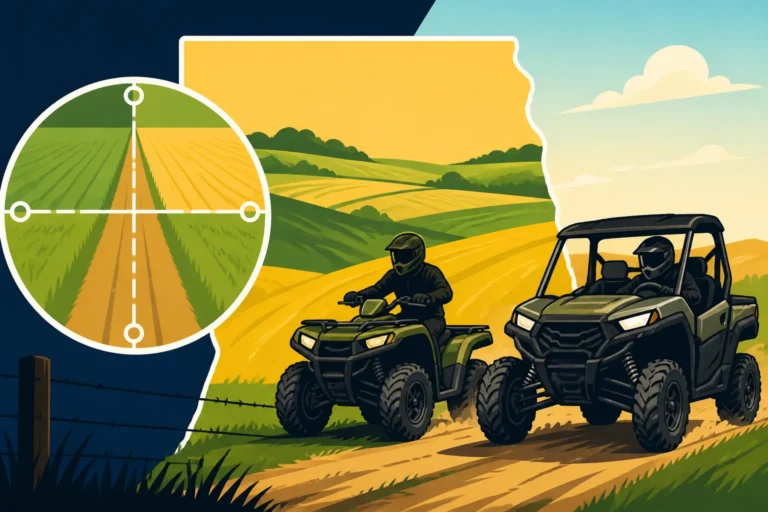
In North Dakota, the distinction between riding in the ditch and riding on the actual paved or gravel surface of a township road is significant. Generally, the state leans towards allowing OHV operation in the ditches of public roads, including township roads. This is often seen as a practical way for agricultural vehicles and OHVs to move between properties or access recreational areas without disrupting faster-moving traffic on the main roadway.
However, "ditch riding" isn't an unlimited right. There are specific rules regarding [North Dakota Back-Slopes and Ditch Bottoms], which are generally permissible, but [North Dakota Inslopes and Shoulders Are Closed] to OHV travel. The inslope is the part of the ditch that leads up to the road surface, and the shoulder is the area immediately adjacent to the travel lane. These areas are typically designed for vehicle recovery or emergencies, not general travel. You’re generally allowed to cross the inslope and shoulder to enter the main roadway if you’re doing so safely and to bypass an obstruction, but not to continuously ride on them.
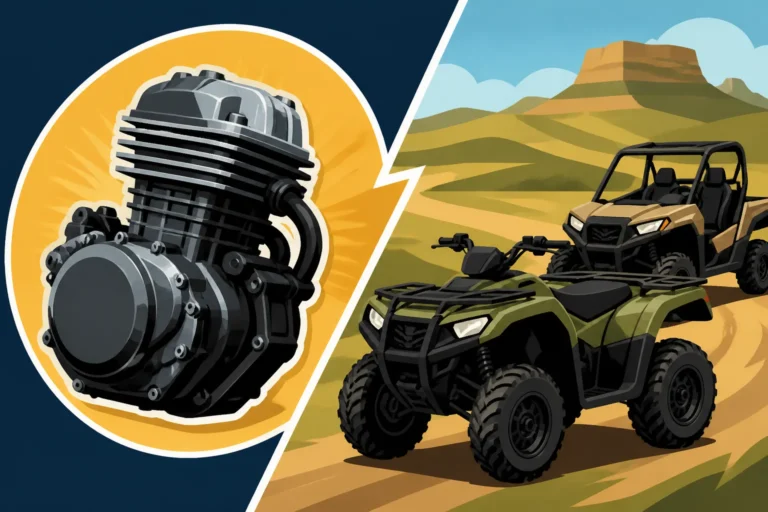
When it comes to the road surface itself, particularly on gravel township roads, you generally have more leeway than on paved roads. If your machine meets the necessary equipment requirements, you can typically ride on the main gravel surface, often needing a minimum engine size of [North Dakota's 350cc Minimum for Road Riding]. However, always operate as far to the right as practicable and yield to other vehicles. The aim is to integrate safely, not dominate the roadway. For Class III machines, which include many side-by-sides, there might be higher speed capabilities, allowing them to utilize roads posted up to [North Dakota Class III Machines at 65 mph Roads], provided they meet all other requirements and the specific road is not otherwise restricted.
Essential Equipment and Operator Requirements for Township Road Riding
Riding your ATV or UTV on a public township road in North Dakota isn't just about knowing where you can ride; it's also about ensuring your machine is properly equipped and you, as the operator, meet the legal standards. Think of it like driving a car—you wouldn't hit the highway without headlights, brake lights, or a driver's license, right? The same common-sense approach, backed by state law, applies to your OHV on these roads. Many riders are surprised by the full list of requirements, but they’re all there for safety, both yours and others.
The idea here is that when you're sharing a roadway, even a quiet gravel one, your OHV needs to be visible, audible, and controllable in a way that’s predictable to other road users. This means equipping your machine with basic safety features that are standard on other motor vehicles. For a comprehensive overview, checking out [North Dakota Equipment Required on a Roadway] is a great starting point, as it lists everything you'll need to consider. It’s not just about having the parts, but ensuring they function correctly.
Beyond the machine itself, the person behind the handlebars or steering wheel also has obligations. This includes age restrictions, licensing, and sometimes safety education. These requirements are in place to ensure that operators have the necessary skills and judgment to navigate public roads safely.
Required Machine Equipment
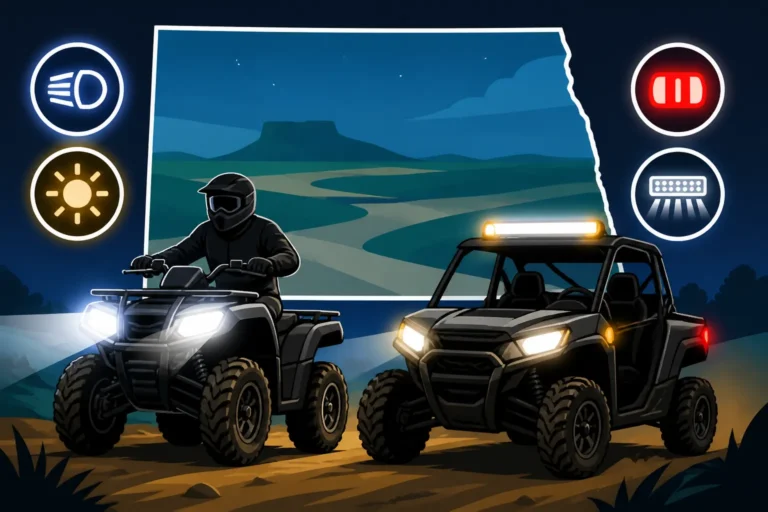
When you plan to take your ATV or UTV from the trail to a North Dakota township road, you’ll need to make sure it’s equipped with a specific set of features that make it more visible and communicative to other traffic. This isn't just a suggestion; it's a legal requirement. First and foremost, you need proper lighting. This means at least one headlamp that can illuminate the road ahead for a specified distance, along with a taillamp that’s visible from the rear. And, of course, working brake lights are non-negotiable for signaling your intentions to anyone behind you. Many riders will upgrade their lights for better visibility, and reputable brands like SuperATV offer excellent options for bright, durable LED lights that meet or exceed legal requirements.
Beyond lighting, you'll need mirrors. Specifically, at least one rear-view mirror that provides a clear view of the road behind you. While many machines come with a single handlebar mirror, some riders find a pair or a wider panoramic mirror, perhaps from a brand like SuperATV, offers superior visibility, especially on UTVs. A functional horn is also mandatory, allowing you to signal your presence when necessary—think about alerting a farmer backing out of a field or a pedestrian walking along the ditch. And don't forget your muffler; excessive noise can draw unwanted attention and is often regulated by sound limits. Finally, a speedometer is required, as you must adhere to posted speed limits, which on [A Roadway Posted at 55] means your machine needs to be able to accurately display your speed. Your machine also needs to be capable of traveling at least [North Dakota's 30 mph Capability Rule] if you're going to be on the road surface.
To summarize the key equipment:
| Item | Requirement |
|---|---|
| Headlight | Must emit a white light visible from 500 feet, providing clear illumination for at least 300 feet ahead. [North Dakota Headlamp Distance Standards] |
| Taillight | Must emit a red light visible from 500 feet to the rear. |
| Brake Light | Must emit a red light visible from 500 feet when brakes are applied. [North Dakota Brake Light Requirement] |
| Mirrors | At least one rear-view mirror that provides a clear view of the road to the rear, covering at least 10 square inches. [North Dakota Mirror and Horn Requirements] |
| Horn | A functional horn capable of emitting a sound audible from 200 feet away. |
| Muffler | Must be equipped with a muffler in good working order to prevent excessive or unusual noise. |
| Speedometer | Must have an accurate speedometer to ensure compliance with speed limits. [North Dakota Speedometer and Odometer Rule] |
| Engine Size | Minimum 350cc engine displacement for most road surface use, though exceptions exist for ditch riding and Class III machines on certain roads. [North Dakota's 350cc Minimum for Road Riding] |
| Registration | Your OHV must be properly registered with the North Dakota Department of Transportation (NDDOT). |
| Tires | Must be equipped with "non-highway" tires for off-road use, not street-legal car tires. |
Operator Licensing and Safety Education
Beyond the machine, the operator themselves must meet certain qualifications to legally ride an OHV on North Dakota township roads. For adults aged 16 and older, a valid driver's license (any class) is required. This ensures that the operator has demonstrated basic knowledge of traffic laws and safe driving practices. If you're a visitor, remember that [North Dakota Has No Reciprocity With Any State] when it comes to OHV permits, meaning you still need to follow North Dakota's rules regardless of what your home state requires.
For younger riders, North Dakota has specific safety education requirements. Riders between the ages of 12 and 15 must possess an OHV safety certificate to operate on public roads or public land. This certificate proves they've completed an approved safety course, equipping them with essential knowledge about safe operation, laws, and etiquette. Even if you're riding with a supervising adult, this certificate is mandatory for public access. You can find more details about these requirements and how to obtain the certificate by looking into [North Dakota OHV Safety Certificates at Age 12].
Furthermore, while helmets aren't universally required for all adult riders, they are mandatory for anyone under the age of 18. This is a critical safety measure, especially given the potential for falls and impacts on uneven terrain or during road travel. Always refer to [North Dakota Helmet Law for Riders Under 18] to ensure compliance. Even if you're an adult and not legally required, wearing a helmet is always a smart choice for personal safety. Remember, these requirements aren't meant to make riding difficult; they're designed to keep everyone safe and preserve the privilege of enjoying North Dakota's beautiful landscape on your OHV.
Navigating Challenges and Best Practices for Township Road Use
Riding township roads can be incredibly rewarding, offering a unique perspective of North Dakota's rural charm. However, it also comes with its own set of challenges and responsibilities. These roads are often shared with a variety of users, from local residents to heavy farm equipment, and they border private property that deserves respect. Being a responsible rider means more than just following the letter of the law; it means understanding the spirit of it and acting as a good steward of the land and a courteous member of the community.
You’ll encounter dust, varying road conditions, and potentially wildlife. Being prepared for these eventualities and understanding how to react can make all the difference in having a safe and enjoyable ride. It’s also about planning your route and being aware of your surroundings, especially when passing through areas that might have limited visibility.
The goal is to ride in a way that minimizes your impact and ensures that township roads remain an open option for OHV enthusiasts for years to come. This often involves proactive measures, like slowing down around homes or fields, and sometimes even having conversations with landowners.
Respecting Private Property and Posted Land
One of the most critical aspects of riding on township roads is understanding that while the road itself is public, the land immediately adjacent to it is almost always private property. This means you cannot simply pull off the road and explore without explicit permission from the landowner. North Dakota has very clear [North Dakota Posted Land Rules for Riders], and it's essential to respect them. Signs indicating "No Trespassing" or "Posted Land" are legally binding, and ignoring them can lead to serious consequences, including citations or even arrest for trespassing.
Even if land isn't explicitly posted, it's always best to assume it's private and seek permission before entering. Many landowners are friendly and might be willing to grant access, especially if you ask respectfully. Carrying [North Dakota Landowner Permission Forms] or having a written agreement can protect both you and the landowner. The key is communication and respect. An OHV leaving the public right-of-way and entering private land without permission can quickly sour relationships between riders and property owners, leading to calls for stricter local ordinances or road closures.
A good rule of thumb: if you're not sure, don't go there. Stick to the designated public right-of-way, which includes the road surface and the legally permissible parts of the ditch. This not only keeps you out of trouble but also helps maintain a positive image for the entire OHV community.
Safety and Etiquette on Shared Township Roads
Township roads, particularly those gravel and dirt routes, are often the lifeblood for local farmers and residents. This means you'll be sharing the road with a variety of vehicles, often including large, slow-moving agricultural equipment like tractors, combines, and grain trucks. Patience and defensive riding are paramount. When you encounter these vehicles, slow down, move as far to the right as safely possible, and give them ample room to operate. Remember, they are often moving heavy, awkward loads and may have limited visibility. For more insight into these interactions, check out [Sharing a Gravel Road With Grain Trucks].
Dust can also be a significant issue on gravel roads, especially during dry periods. As an OHV rider, you create dust, which can impair visibility for other drivers, particularly those behind you or coming from the opposite direction. Be mindful of this; slow down when passing houses, farms, or other vehicles to minimize your dust trail. If you're riding in a group, spread out enough to allow dust to settle between riders, or pull over periodically to let traffic pass. Consider equipping your UTV with a dust-blocking rear panel, perhaps a product from SuperATV, to reduce the dust swirl for any passengers you might have.
Finally, always maintain appropriate speeds. While township roads might feel wide open, they can have hidden hazards like potholes, soft spots, or blind crests. Posted speed limits are there for a reason, and even if none are explicitly posted, always ride at a speed that allows you to react safely to unexpected conditions, other vehicles, or wildlife. A little courtesy and common sense go a long way in ensuring a safe and enjoyable experience for everyone on North Dakota's township roads.
Disclaimer
This article is for general informational purposes only and does not constitute professional advice. Laws, prices and regulations vary by location and change over time. Consult a qualified professional for guidance on your specific situation.