When a Decal on the Fender Fades Out
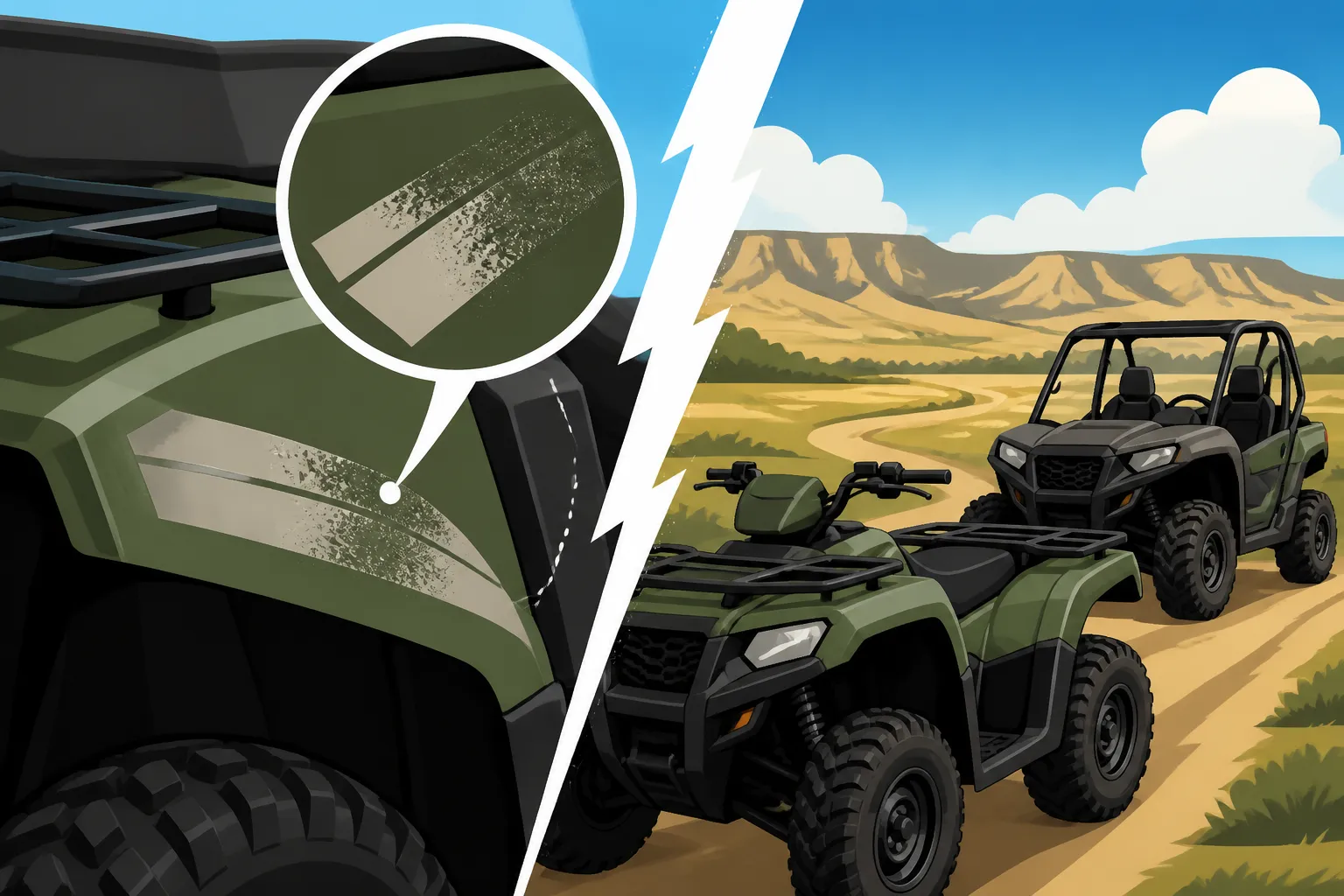
We've all been there: you pull your ATV or UTV out for a much-anticipated ride, only to notice that the crucial registration decal on its fender has become a faded ghost of its former self. It’s more than just an aesthetic issue; a worn-out decal can lead to confusion, unwanted stops, and even potential fines. This guide will walk you through why those decals fade, whether a faded one is still considered valid in North Dakota, and exactly how to go about replacing it, ensuring your off-highway vehicle (OHV) is always compliant with state regulations.
The Frustration of a Faded Decal
There’s a unique sting that comes with realizing your perfectly valid OHV registration decal is practically invisible. You did all the right things: paid your fees, completed the paperwork, and affixed that little sticker with care. Yet, over time, the elements conspire, turning vibrant numbers and letters into a pale, indistinct smudge. It’s frustrating because it looks like you haven’t bothered to register, even when you have. This isn't just about appearances; a faded decal can genuinely raise questions with law enforcement, causing delays and unnecessary stress during what should be an enjoyable outing.
Why Decals Fade in North Dakota
North Dakota’s environment, while beautiful, is notoriously tough on just about everything left exposed, and your OHV decal is no exception. It’s a combination of extreme weather conditions that tirelessly chip away at the decal's integrity.
First, the relentless sun here on the prairie is a major culprit. Days are long, and UV rays are strong, especially during those glorious summer months when we're all out riding the most. These rays break down the pigments in the decal, causing colors to bleach and details to blur. Then there are the harsh winters, with their freezing temperatures, blowing snow, and road salt that can get kicked up onto your machine. All of this can make the decal brittle, crack its surface, and accelerate the fading process. And let’s not forget the mud and gumbo we often encounter. While cleaning your machine is essential, abrasive dirt and repeated scrubbing (even gentle scrubbing) can contribute to wear and tear. You're trying to keep your machine clean, but sometimes that cleaning inadvertently shortens the life of your decal.
Is a Faded Decal Still Valid in North Dakota?
This is the million-dollar question, isn't it? You’ve paid for your [North Dakota's Two-Year OHV Registration], so technically your machine is registered. But if the decal is unreadable, how is anyone supposed to know? The intent behind the decal is clear and quick identification, and if that's compromised, you could run into issues.
What Law Enforcement Looks For
When a North Dakota Game and Fish Department officer, sheriff, or state trooper encounters an OHV, their primary concern is compliance and safety. While a decal is the most visible sign of registration, they're not solely relying on it. If your decal is faded, they'll likely still approach you, but they'll use other methods to verify your registration status.
They'll typically ask for your physical registration card and your identification. They also have access to state databases where they can quickly look up your OHV's vehicle identification number (VIN) to confirm its registration status. So, while a faded decal might trigger a stop, having your paperwork in order is your best defense. It's always a good idea to keep a copy of your [North Dakota Form SFN 2872 Explained] or your current registration receipt somewhere secure and waterproof on your machine, just in case.
The Importance of Legibility
Even though officers have other ways to verify your registration, having a clear, legible decal makes everyone's life easier. It allows for quick identification, which means you're less likely to be pulled over in the first place. Imagine an officer seeing a clear, current decal from a distance—they can often determine compliance without even needing to approach you.
A legible decal helps you avoid those unnecessary stops and the potential for a citation. While a faded decal itself might not automatically lead to a fine if your registration is truly current, operating an unregistered machine certainly will. An unreadable decal can create reasonable suspicion, prompting an officer to investigate further. It’s always better to remove any doubt and ensure your decal is as visible and readable as possible.
How to Replace a Faded North Dakota OHV Decal
Okay, so you've determined your decal is beyond recognition and needs to be replaced. Don't worry, the process isn't overly complicated, but it does require a few steps to get a fresh one on your machine. The goal is to get that crisp, new decal back on your fender as quickly as possible.
Required Information for Replacement
Before you even think about contacting the North Dakota Department of Transportation (NDDOT), gather your important documents. Having everything on hand will make the replacement process much smoother and faster.
You'll definitely need your vehicle information, which includes the Vehicle Identification Number (VIN) of your ATV or UTV, its make, and its model. This ensures you're requesting a duplicate for the correct machine. You'll also need your owner identification, typically a driver's license or state ID, to prove you are the registered owner. Finally, having your previous registration information or the current registration card is incredibly helpful. This often has all the necessary details pre-filled and makes verification much simpler. Think of it as having all your ducks in a row – it just saves time and hassle.
Where to Get a Replacement Decal
Once you have your information ready, you have a few options for obtaining a replacement decal. The North Dakota Department of Transportation is the main agency responsible for OHV registrations.
You can often process a duplicate request online through the NDDOT's official portal. This is usually the most convenient method for many people, allowing you to complete the transaction from the comfort of your home. If you prefer an in-person visit or need immediate assistance, you can head to any local motor vehicle branch office across the state. They have the forms and staff to help you submit your request directly. Sometimes, you might even have the option to submit a request by mail, though this usually takes the longest to process and receive your new decal. Remember, you're not just getting a new sticker; you're ensuring your machine remains legally identifiable on public land and ditches.
The Cost of a Replacement Decal
Let's talk about the money side of things. There is typically a fee associated with replacing a lost or faded decal, much like replacing a lost license plate or other official document. This fee covers the administrative costs of processing your request and producing the new decal. While I can't give you an exact figure, you should expect a nominal charge. It's always best to check the official NDDOT website or contact your local motor vehicle branch directly for the most current fee schedule. They can provide you with the precise amount, so you're not caught off guard. This small fee is a worthwhile investment to avoid potential fines for an unreadable decal. You might also find this information relevant to [North Dakota Duplicate Plate Cost] or [North Dakota Plate Replacement Cost].
Tips for Preventing Future Fading
While replacing a faded decal is straightforward, wouldn't it be great if you could prevent it from happening so quickly again? There are definitely some steps you can take to prolong the life of your new decal. A little proactive care can go a long way in preserving its legibility and saving you the hassle of repeat replacements.
Strategic Decal Placement
Where you stick that decal makes a surprisingly big difference. Think about where your machine gets the most direct sun exposure or where it's most likely to collect mud and debris.
When applying your new decal, try to choose a spot that’s a bit more protected from direct sunlight. For instance, if your fender has a slight curve or a recessed area, that might offer a little more shade than a completely flat, exposed surface. Sometimes, placing it on the inside of a fender or a less prominent, yet still visible, area can help. It's a balance between visibility for compliance and protection from the elements. Also, consider areas that are less prone to heavy scrubbing during cleaning. The official [North Dakota Decal Placement Rules] will still guide you on acceptable locations, but within those guidelines, you might have some flexibility for a more strategic spot.
Protective Measures
Beyond placement, you can also add an extra layer of defense against the elements. These methods act as a shield, helping your decal withstand the harsh North Dakota environment.
One popular approach is to apply a UV protectant spray over the decal once it's fully cured. Look for sprays designed for automotive or outdoor use that specifically block UV rays. This can significantly slow down the fading process. Some riders also opt for clear protective film or covers that can be placed directly over the decal. These are essentially transparent stickers that take the brunt of the weather, mud, and cleaning, leaving the actual registration decal underneath pristine. Regular, gentle cleaning, rather than aggressive scrubbing, also helps. If you're using a pressure washer, be mindful of the decal and keep some distance to avoid peeling or damage.
Maintaining Your Paperwork
Even with the best protective measures, decals will eventually show wear. That's why your actual registration paperwork is so important. It’s your ultimate proof of compliance.
Always keep a copy of your current registration card with you when you ride. Stash it in a waterproof baggie or a dedicated, secure compartment on your OHV. This way, if an officer pulls you over due to a faded decal, you have immediate, undeniable proof of registration. Many riders will even take a clear photograph of their current registration and keep it on their phone, though a physical copy is always recommended as a primary backup. Think of the decal as the first line of defense, and your paperwork as the crucial second line. Having both in order demonstrates your commitment to being a responsible OHV owner. If you ever need to prepare other legal forms related to your OHV, perhaps for a sale, resources like LawDepot can assist you in drafting documents like a bill of sale.
Beyond the Decal: Other Registration Essentials
While a clear decal is crucial, it's just one piece of the puzzle when it comes to being a responsible OHV owner in North Dakota. There are other fundamental aspects of registration and understanding the rules that are equally important for safe and legal riding. It's all about ensuring you're fully prepared for the trails or ditches.
Keeping Your Registration Current
The moment you got that first decal, a clock started ticking. North Dakota OHV registrations aren't forever; they typically follow a specific cycle.
It's vital to know that North Dakota generally operates on a [North Dakota's Two-Year Registration Cycle] for OHVs. This means your registration, and by extension your decal, is valid for two years before it needs to be renewed. Forgetting to renew can lead to your machine being considered unregistered, which carries its own set of problems and potential penalties. Make a note of your expiration date, perhaps setting a reminder on your phone or marking it on a calendar. Keep an eye out for renewal notices from the NDDOT. Proactive [North Dakota ATV Registration Renewal] is always easier than dealing with an expired registration.
Understanding North Dakota's Trail Tax
When you pay for your OHV registration, you're not just paying for a piece of paper and a decal. A significant portion of that fee goes towards maintaining and developing riding opportunities in the state.
The total registration fee in North Dakota is composed of two main parts: a registration fee and a [North Dakota Off-Highway Trail Tax]. You'll often see this broken down as [North Dakota Charges $5 Registration Plus $15 Trail Tax] for a two-year period. This trail tax is incredibly important because it directly funds trail projects, maintenance, and educational programs that benefit all OHV riders. Knowing [Where the Trail Tax Actually Goes] can help you appreciate why these fees are collected and how they contribute to the overall riding experience in North Dakota. It's an investment in the future of our favorite pastime.
Knowing Your Machine's Class
North Dakota categorizes OHVs into different classes, and understanding which class your machine falls into can impact where and how you can ride it, and even what equipment might be required.
The state defines Class I, II, and III machines based on factors like width, weight, and steering mechanism. For example, a traditional ATV with a straddle seat is typically a [North Dakota Class I Machines Defined]. A side-by-side (UTV) might fall into [North Dakota Class II Width and Weight Limits], especially considering the alternative width options available. Larger, heavier machines with steering wheels are generally [North Dakota Class III Machines Under 8,000 Pounds]. These classifications exist for safety and to regulate access to certain trails or roadways. Being aware of your machine's class ensures you're riding within the legal parameters set for your specific type of OHV.
Here's a quick overview of common decal issues and what to do:
| Issue | Description | Action Needed |
|---|---|---|
| Faded/Unreadable Decal | Colors and numbers are no longer discernible. | Request a duplicate decal from NDDOT. |
| Peeling/Damaged Decal | Edges lifting, tears, or significant physical damage. | Request a duplicate decal; remove old decal carefully. |
| Lost Decal | Decal fell off or was removed. | Request a duplicate decal; ensure previous registration is valid. |
| Incorrect Information | Decal has wrong VIN, expiration, or other details. | Contact NDDOT immediately for correction and replacement. |
| Expired Decal | Registration period has ended. | Renew your OHV registration, then apply new decal. |
Disclaimer
This article is for general informational purposes only and does not constitute professional advice. Laws, prices and regulations vary by location and change over time. Consult a qualified professional for guidance on your specific situation.