Why a Tracked Dirt Bike Needs Its Own $25 Permit
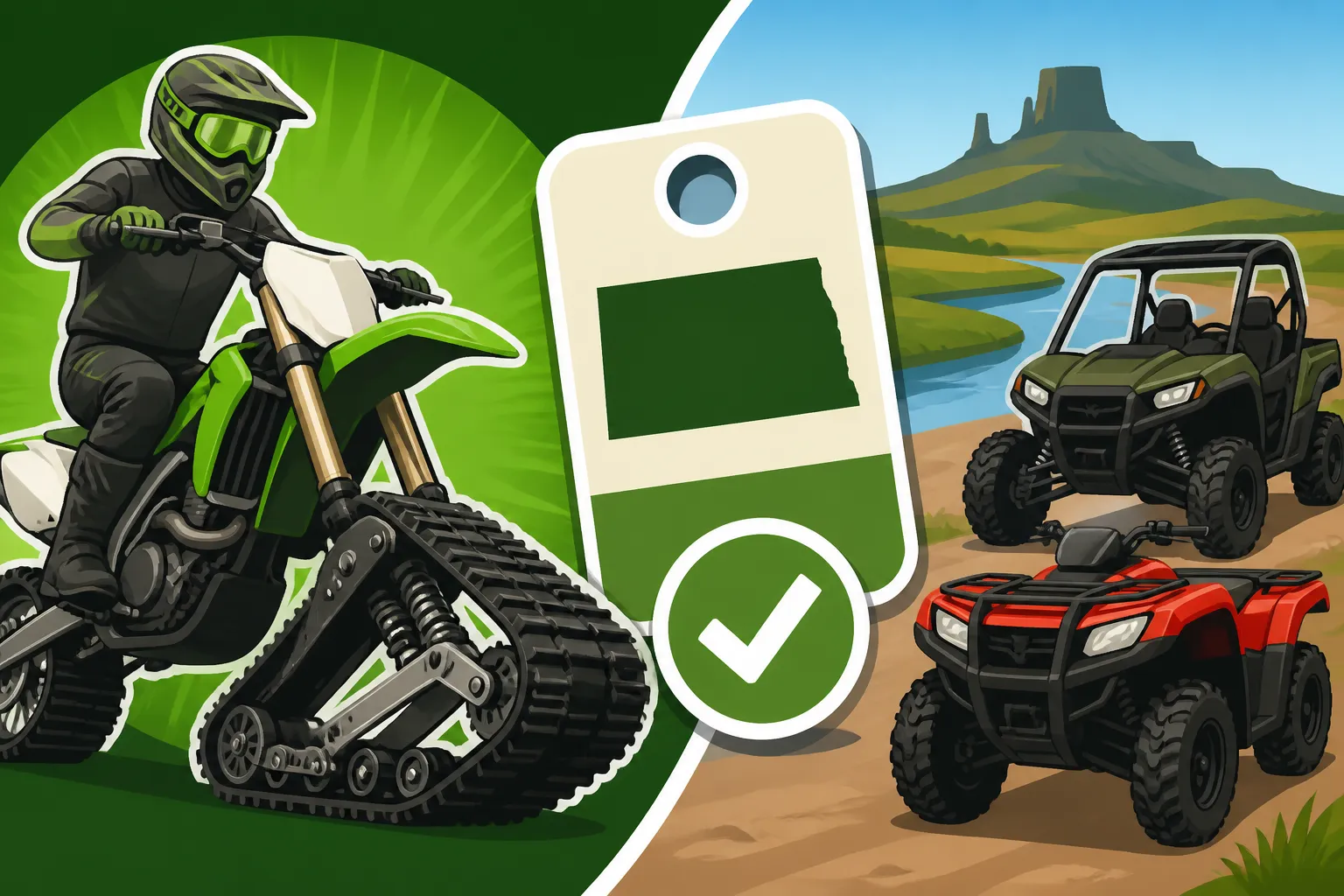
It can be incredibly frustrating to navigate all the rules and regulations for off-highway vehicles (OHVs) in North Dakota, especially when you think you have your machine all squared away with registration, only to find out there’s another specific permit for certain types of vehicles. If you're the proud owner of a tracked dirt bike, you might have heard whispers of a special $25 permit, and you're probably wondering why your cool, unique ride needs more paperwork. This guide is here to cut through the confusion and explain exactly why North Dakota requires a separate permit for tracked dirt bikes, who needs it, and how to stay on the right side of the law.
Understanding North Dakota's OHV Definitions and Tracked Machines
North Dakota has a specific way of categorizing off-highway vehicles, and sometimes, what seems like a minor difference in machine type can lead to a whole new set of rules. It’s not always obvious why one type of vehicle needs something extra when others don't, but there's usually a good reason rooted in trail preservation, safety, or managing different types of recreational use.
What Constitutes an Off-Highway Vehicle in North Dakota?
First, let's get a general understanding of what North Dakota considers an OHV. Broadly speaking, an OHV is any motor vehicle used off highways, primarily for recreational purposes. This includes the ATVs (all-terrain vehicles) and UTVs (utility vehicles or side-by-sides) you commonly see kicking up dust on trails or helping out on the farm. Most of these machines, if they're going to be used anywhere other than private land, require a [North Dakota's Two-Year OHV Registration]. This registration covers your basic right to operate on designated public lands and, in some cases, certain road types under specific conditions.
For a typical wheeled ATV or UTV, the process usually involves titling the machine, paying a registration fee, and contributing to the state's trail tax. It’s a pretty straightforward system designed to ensure vehicles are properly identified and contribute to the upkeep of the places where we all love to ride. However, when you introduce tracks instead of wheels, the game changes just a little bit.
Why Tracks Are Treated Differently Under State Law
The reason tracked dirt bikes have their own special permit boils down to their unique impact and usage patterns, especially when it comes to specific types of terrain and seasons. While a wheeled ATV or UTV is designed to handle a variety of surfaces, tracks often provide superior traction and flotation, especially in snow or soft, muddy conditions. This enhanced capability can also lead to different types of wear and tear on trails, particularly those managed for snowmobiles.
North Dakota, like many states, aims to protect its natural resources and maintain recreational trails for all users. The legislature recognized that machines with tracks, particularly tracked dirt bikes, might access areas or operate in ways that standard wheeled OHVs typically don't, or shouldn't. This isn't about singling out tracked dirt bike owners; it's about managing the specific environmental footprint and potential user conflicts that can arise from these specialized machines. It's a way for the state to acknowledge the unique operational characteristics of tracked bikes and ensure that their use is appropriately funded and regulated.
The Specifics of the $25 Tracked Dirt Bike Permit
So, you have a tracked dirt bike, and you're ready to hit the dirt – or maybe the snow! But before you do, you need to understand this particular permit. It's crucial not to confuse it with your standard OHV registration or a non-resident permit. Think of it as an additional layer of permission tailored to the unique attributes of your machine.
Who Needs This Permit and When?
Simply put, anyone operating a tracked dirt bike in North Dakota on public land that is not specifically designated and managed for wheeled OHVs, or on snowmobile trails during the snow season, needs this permit. This applies to both residents and non-residents. So, if you live in Fargo and have a tracked dirt bike you want to ride in the Pembina Gorge in the winter, you’ll need this permit in addition to your regular [North Dakota's Two-Year OHV Registration]. If you’re visiting from Minnesota with your tracked machine, you'll need the [North Dakota Non-Resident OHV Permit] and this $25 tracked dirt bike permit.
It’s an extra step, and for many riders, it can feel like just another hurdle. But the state's reasoning is tied to how these machines interact with specific trail systems. The $25 permit is explicitly for these unique machines. It ensures that the specific impact tracked dirt bikes might have on the environment or shared trail systems is accounted for and managed. This permit helps fund the maintenance of trails and addresses the specific considerations that arise from their use. You can find more details on this specific fee and its purpose by looking up [North Dakota Tracked Dirt Bike Permit at $25].
How This Permit Differs from Standard OHV Registration
It’s easy to get lost in the sea of fees and permits, but it's important to understand that the $25 tracked dirt bike permit is separate from your general OHV registration. Your standard registration (whether you're a resident or a non-resident) proves ownership and allows general use on most designated OHV areas. The tracked dirt bike permit, however, is an additional operational permit that grants specific permission for using your tracked machine in certain contexts, particularly on trails or during seasons where wheeled OHVs might not be allowed or suitable.
Here’s a quick breakdown to help clarify the differences:
| Feature | Standard OHV Registration (Resident) | Non-Resident OHV Permit | Tracked Dirt Bike Permit ($25) |
|---|---|---|---|
| Purpose | General legal operation of wheeled OHVs on public land. | Allows out-of-state wheeled OHVs on ND public land (up to 30 days). | Specific permission for tracked dirt bikes, often for snowmobile trails or sensitive areas. |
| Machine Type | Wheeled ATVs, UTVs. | Wheeled ATVs, UTVs from out-of-state. | Specifically for dirt bikes equipped with tracks. |
| Cost | ~$20 for two years (plus trail tax). See [North Dakota OHV Registration Cost]. | Usually around $10 for the calendar year. | $25 (annual, required in addition to registration/non-resident permit). |
| Validity | Two years from issuance. | Calendar year (January 1 – December 31). | Calendar year (January 1 – December 31). |
| Required For | All resident-owned OHVs operating off private land. | All non-resident OHVs operating off private land for >30 days or on designated trails. | Any tracked dirt bike operating on public land, especially snowmobile trails. |
As you can see, the tracked dirt bike permit isn't a replacement; it's an extra credential specifically for that unique setup. It’s also often linked to winter use and accessing trails that are primarily maintained for snowmobiles, which have different maintenance needs and environmental considerations than purely dirt trails.
Obtaining Your Tracked Dirt Bike Permit and Staying Compliant
Navigating the permit process doesn't have to be a headache, even if it feels like one more thing to remember. North Dakota tries to make it as accessible as possible, recognizing that riders just want to enjoy their machines without unnecessary hassle.
The Application Process: Where and How to Get It
Getting your tracked dirt bike permit is usually a straightforward process. The most common and convenient way to acquire this permit is often through the North Dakota Game and Fish Department or through various vendors across the state. Many state park offices also serve as points of sale for permits. In today's digital age, you might even be able to purchase it online, which is a huge convenience for many. If you're planning ahead for a trip, checking out [North Dakota Permits Sold Online] is a great first step, allowing you to get your ducks in a row before you even load your machine.
When you go to purchase your permit, you'll generally need basic information about yourself and your tracked dirt bike. This usually includes your name, address, and details about your machine like the make, model, and VIN. While it's typically a simple transaction, always be prepared with proof of ownership or registration for your machine, just in case. It's also wise to check the official North Dakota Game and Fish Department website or call a local state park office beforehand to confirm what's needed and their current operating hours. This can save you a frustrating trip and ensure you get your permit quickly and efficiently.
Displaying Your Permit and Avoiding Penalties
Once you have your permit, the job isn't quite done. You need to make sure it's properly displayed on your tracked dirt bike. The permit typically comes as a sticker or decal, and there will be specific instructions on where it needs to be placed on your machine. Usually, it's somewhere visible, like on the fender or another easily accessible area, so it can be quickly checked by law enforcement or park rangers. Failing to display it correctly is almost as bad as not having it at all, as it can still lead to a citation.
The goal here isn't to be overly restrictive but to ensure compliance and accountability. An officer or ranger needs to be able to quickly verify that you have the proper authorization to be riding your tracked machine on public land. If you're caught without the correct permit, or if it's not displayed as required, you could face penalties. These can range from a warning to a fine, and nobody wants their fun day cut short by a ticket. To avoid any unpleasant surprises, make sure you understand the rules around [North Dakota Penalties for No Permit]. Keeping all your paperwork in order is a key part of responsible OHV ownership in North Dakota, and for any general legal documents or to ensure your ownership is watertight, services like LawDepot can assist with creating clear, comprehensive forms like bills of sale or ownership declarations, though for state-specific permits, always go directly to the official channels.
Common Scenarios and Clarifications for Tracked Dirt Bike Riders
The unique nature of tracked dirt bikes often leads to specific questions about where and when they can be ridden. It's not always intuitive, especially when you consider different types of trails and land ownership. Getting these clarifications can make all the difference in planning your next adventure.
Riding on Snowmobile Trails with Tracks
One of the primary reasons for the distinct $25 tracked dirt bike permit is to address their use on snowmobile trails. In North Dakota, snowmobile trails are a popular winter recreational amenity, and they are specifically groomed and maintained for snowmobiles. While tracked dirt bikes might seem like a natural fit for these trails due to their ability to handle snow, they are not always automatically permitted. The permit essentially bridges this gap, allowing tracked dirt bikes to share these trails under specific conditions.
It’s vital to understand that snowmobile trails have their own set of rules and seasons. For instance, [Snowmobile Trails Closed April to November] to wheeled vehicles, and sometimes to any motorized vehicle once the snow melts, to protect the underlying ground and allow for vegetation growth. Tracked dirt bikes, even with their permit, still need to adhere to these seasonal closures and any specific regulations for snowmobile trails. The permit doesn’t grant carte blanche; it grants conditional access. Always check local regulations and trail conditions before heading out, especially during transitional seasons. The $25 permit helps fund the shared use of these specific trail systems, recognizing the need for consistent maintenance that benefits all winter enthusiasts.
What About Multi-Use Trails or Private Land?
This is where things can get a bit more nuanced. For most general multi-use OHV trails that are open to standard wheeled ATVs and UTVs, a tracked dirt bike might be allowed with your regular OHV registration (if you're a resident) or non-resident permit. However, the $25 permit is still specifically for the tracked nature of the machine, often implying its use in conditions or on surfaces where tracks are a distinct advantage (like snowmobile trails). It's best practice to assume that if you're using your tracks in a way that differentiates your machine significantly from a wheeled OHV, the permit is a good idea.
When it comes to private land, the situation simplifies considerably. If you're riding exclusively on land you own, or on private land with the express permission of the landowner, many state-level registration and permit requirements, including the tracked dirt bike permit, typically do not apply. This is covered by [North Dakota Private Land Only Exemption], which usually waives the need for state registration if your machine never leaves private property. However, this exemption is for registration, not necessarily for every single piece of required equipment or safety rule. If you're unsure about any specific requirements for your machine, including what [What North Dakota's OHV Law Requires of Owners], it's always best to consult the North Dakota Game and Fish Department directly. And for landowners looking to formalize permissions or agreements, resources like LawDepot can provide templates for land use agreements or liability waivers, helping to keep everyone safe and legally sound.
Remember, the goal is always to ride safely and responsibly, respecting both the land and other users. Keeping up with the specific permits, like the one for tracked dirt bikes, is a key part of that responsibility.
Disclaimer
This article is for general informational purposes only and does not constitute professional advice. Laws, prices and regulations vary by location and change over time. Consult a qualified professional for guidance on your specific situation.