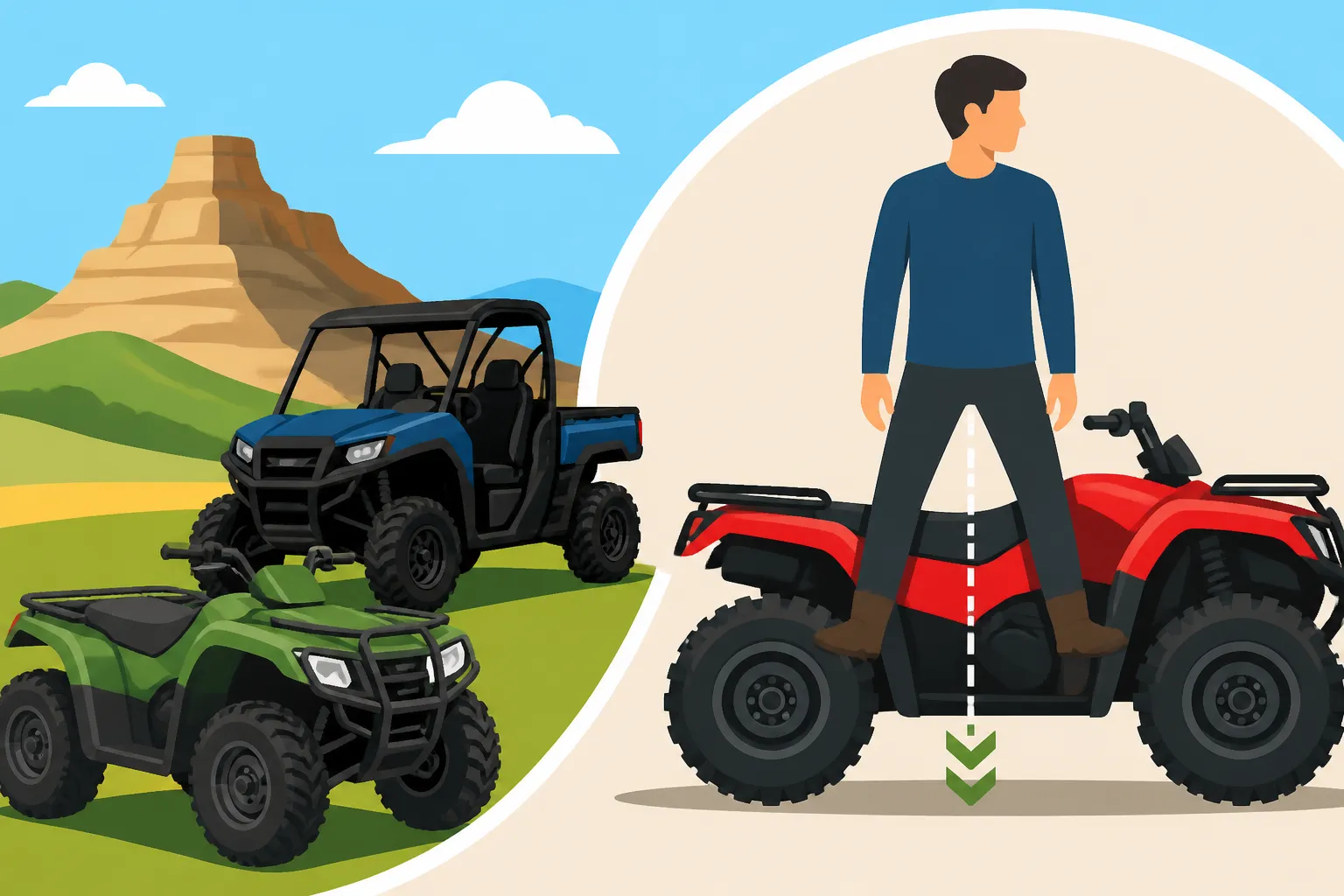
Class I and the Straddle Seat Test
Navigating the world of off-highway vehicles (OHVs) in North Dakota can feel like trying to solve a puzzle, especially when you encounter terms like "Class I" and the seemingly simple but crucial "straddle seat test." Many riders find themselves scratching their heads, wondering if their beloved quad truly fits the state's definition and what that means for where they can ride and the paperwork they need. This guide is here to untangle that knot, walking you through what a Class I machine is, why that straddle seat matters so much, and how it impacts your registration, titling, and riding experience across North Dakota.
Understanding North Dakota's Class I OHV Definition
In North Dakota, when we talk about off-highway vehicles, the state has some pretty clear distinctions to make sure everyone knows what's what. The foundational definition for what most of us affectionately call an ATV or a quad falls squarely under "Class I." It's not just a fancy name; it's a specific legal designation that shapes everything from how you register your machine to where you're allowed to take it.
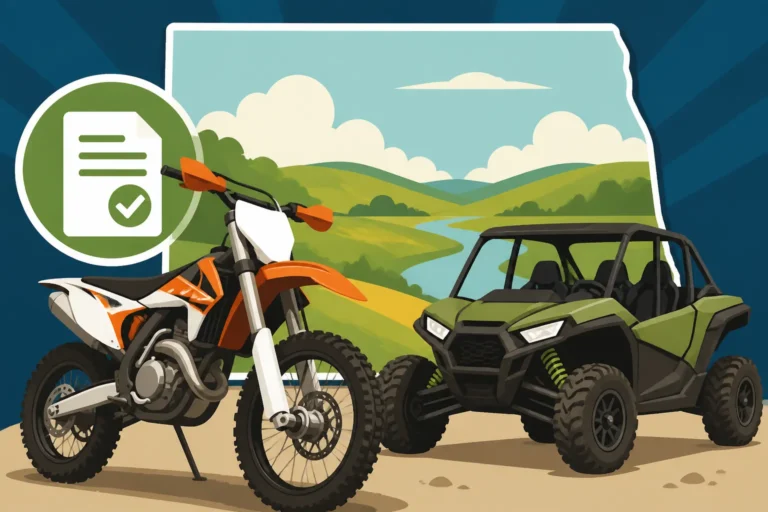
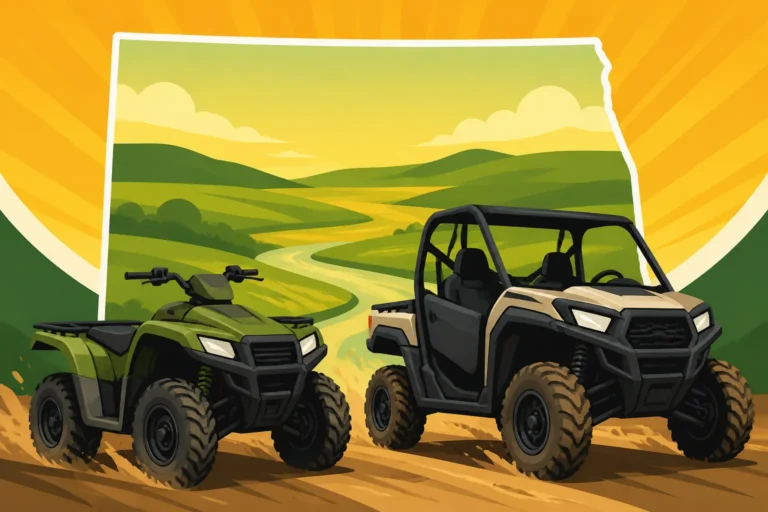
A Class I off-highway vehicle is generally understood as a motorized, off-highway machine that is designed to travel on four or more low-pressure tires and has a seat designed to be straddled by the operator. It also comes with handlebars for steering. Think of your traditional single-rider or two-up quad – that's your quintessential Class I machine. This definition sets it apart from side-by-sides (UTVs) or dirt bikes, each having their own class or specific regulations. This distinction is paramount because the rules of the road, trail, and even private land often hinge on this specific classification. It's the first step in understanding your responsibilities as an OHV owner in North Dakota. We've delved deeper into this specific classification in [North Dakota Class I Machines Defined], if you want to explore the nitty-gritty details.
The Straddle Seat Test Explained for Riders
Now, let's get to the heart of what often confuses people: the "straddle seat test." While it sounds like something out of a driving exam, it's actually a simple, practical way to distinguish a Class I machine from others. If you sit on your OHV and your legs naturally straddle the engine or a significant part of the frame, similar to how you would sit on a horse or a motorcycle, then your machine passes the straddle seat test. This feature, combined with handlebars, is the defining characteristic of a Class I ATV in North Dakota.
Contrast this with a side-by-side (Class II), where you sit in a seat, much like a car, often with a steering wheel and seatbelts. The straddle seat design is crucial because it influences the machine's center of gravity and the way the rider controls it, which in turn informs safety regulations and operational guidelines. For instance, manufacturer guidelines regarding passenger capacity on Class I machines are often tied to whether the seat is designed for a single straddling operator or if it's an extended seat designed for an additional straddling passenger. Understanding this test is key to knowing your machine's category and ensuring you're compliant with state regulations before you hit the trails or ditch lines. If you're ever looking at buying a machine and aren't sure, a quick "straddle test" can tell you a lot about its classification.
Registration and Titling Requirements for Class I OHVs
Knowing your machine is a Class I ATV is the first step toward getting it legally ready for the great outdoors in North Dakota. The state has specific requirements for registration and titling these vehicles, and they directly tie back to this classification. Every Class I OHV, unless specifically exempt, needs to be registered with the North Dakota Department of Transportation (NDDOT). This isn't just a suggestion; it's a legal obligation for anyone wanting to ride on public lands or utilize designated OHV trails.
The process typically involves submitting a title application, proof of ownership (like a bill of sale or previous title), and paying the associated fees. For many, the first time they register an ATV, they'll be dealing with [North Dakota's Two-Year OHV Registration] cycle. When you register, you'll also pay the [North Dakota OHV Registration Cost], which includes a trail tax. Additionally, if you're the new owner, you'll need to secure a title, which has its own nominal fee, detailed in [North Dakota Title Fee of $5]. These fees cover the administrative costs and contribute to the upkeep of our state's OHV infrastructure. For a comprehensive walkthrough, check out [How to Register an ATV in North Dakota]. Documents such as a [North Dakota Bill of Sale Form SFN 2888] or a [North Dakota Statement of Ownership Form SFN 2903] are often required, and services like LawDepot can provide templates if you're engaging in a private sale, ensuring all the necessary details are captured accurately.
Operational Rules for Class I Machines on North Dakota's Roads and Trails
Once your Class I ATV is properly registered and titled, you're ready to explore, but not without understanding the rules of the road – and the trail! North Dakota has specific laws governing where and how Class I machines can be operated, and these rules are often distinct from those for side-by-sides or other vehicles. For instance, the infamous "ditch riding" is a topic of much discussion, and understanding [North Dakota Ditch Riding: The Legal Right Explained] is crucial for any ATV owner.
Key Operating Regulations for Class I OHVs:
- Road Access: While some states are very restrictive, North Dakota does allow Class I machines on certain public roadways, particularly gravel and secondary paved roads. However, there are strict conditions, such as the machine needing to be capable of at least 30 mph and equipped with specific safety features like mirrors, a horn, and proper lighting. Interstate highways are always off-limits. For a deep dive into what roads are permissible, see [North Dakota ATV Road Rules by Surface Type].
- Trail Systems: North Dakota boasts a growing number of designated OHV trails, and Class I machines are usually welcome. These trails are specifically designed for off-road recreation, offering a different experience than road riding. You can learn about these opportunities in [North Dakota OHV Trails: All Four Riding Areas].
- Safety Gear: Riders under 18 years old on public lands or roads must wear a helmet that meets DOT standards. While adults are not always mandated to wear helmets, it's always a wise safety practice.
- Passengers: The straddle seat design dictates passenger rules. If your Class I ATV is designed by the manufacturer for only one operator (a single-seat ATV), then carrying a passenger is generally prohibited on public roads and trails. If it's a "two-up" model with an extended straddle seat, then carrying a passenger is permitted, provided the passenger can also straddle the seat and has appropriate handholds and footrests. This is a critical safety and legal consideration.
Understanding these operational nuances ensures not only your safety but also compliance with state laws, helping you avoid unnecessary fines or legal complications.
| Feature | Class I OHV (ATV/Quad) | Class II OHV (Side-by-Side/UTV) |
|---|---|---|
| Seating | Straddle seat (operator sits astride) | Bench or bucket seats (operator sits in the vehicle) |
| Steering | Handlebars | Steering wheel |
| Primary Use | Recreation, utility, sport, farm work | Recreation, utility, hunting, farm work, passenger transport |
| Passenger Rule | Generally single-operator unless designed for two straddling riders | Designed for multiple passengers sitting side-by-side |
| Control Style | Body English, lean into turns | Steering input, more like a car |
Common Misconceptions and Troubleshooting
It's easy to get tangled up in the details of OHV classifications, and there are a few common misconceptions around Class I machines and the straddle seat that often trip up new (and even experienced) riders.
One frequent misunderstanding is confusing a heavily modified Class I ATV with a Class II side-by-side, or vice-versa. Just because you've added some robust aftermarket accessories to your quad doesn't suddenly make it a UTV in the eyes of the law. The fundamental design – especially that straddle seat and handlebars – is what the state looks at. Conversely, some people might try to ride a smaller, single-person side-by-side as if it were a quad, not realizing the different rules for Class II machines, particularly regarding width and weight limits as outlined in [North Dakota Class II Width and Weight Limits]. Always refer back to the core definitions.
Another point of confusion can arise if your machine doesn't quite fit the typical mold. Perhaps it's an older model, or a unique import. If you're unsure about your machine's classification, the best course of action is to contact the NDDOT directly or visit a local motor vehicle branch. They can provide definitive guidance. When purchasing a used machine, especially from a private seller, ensure you receive proper documentation. A well-executed [North Dakota Bill of Sale Form SFN 2888] is your proof of ownership, and you might even consult a resource like LawDepot for robust template options to ensure you're protected. This is vital not only for titling but also for proving the machine's history and preventing future headaches. Sometimes, the issue isn't what the machine is but what paperwork you have.
Finally, it's worth remembering that the rules aren't static. Legislation can change, and what was permissible last year might have new nuances this year. Staying informed about North Dakota's OHV laws, checking official NDDOT resources, and perhaps even joining a local OHV club can help you stay ahead of any changes. Your knowledge of what constitutes a Class I machine, especially the straddle seat test, is your first line of defense against unwitting violations.
Disclaimer
This article is for general informational purposes only and does not constitute professional advice. Laws, prices and regulations vary by location and change over time. Consult a qualified professional for guidance on your specific situation.