North Dakota Excise Tax on a Dealer Purchase
Buying a new or even a "new-to-you" off-highway vehicle (OHV) like an ATV or UTV from a dealership in North Dakota can be an exciting prospect. However, the joy of picking out your perfect machine can quickly be overshadowed by the often confusing array of taxes and fees, with the excise tax being a particularly common head-scratcher. This guide aims to pull back the curtain on North Dakota's excise tax when you purchase your OHV from a dealer, helping you understand exactly what you're paying for and why.
Understanding North Dakota's Excise Tax for OHV Dealer Purchases
When you walk into a dealership in North Dakota, ready to put down cash or finance that shiny new quad or side-by-side, one of the significant line items you'll see on your invoice is the excise tax. It's often misunderstood, even by seasoned buyers, because it behaves a bit differently from the sales taxes you might be used to paying on other goods. Let's break down what this means for your OHV purchase.
What Exactly is an Excise Tax in North Dakota?
First off, let's clear up a major point of confusion: the excise tax on an OHV in North Dakota is not a sales tax. This is a distinction that often trips people up, leading to questions about why it's there and what it's for. Think of it less as a tax on the sale itself and more as a one-time tax levied on the privilege of owning and using that specific type of vehicle within the state. It's a fundamental part of the state's revenue collection for these machines.
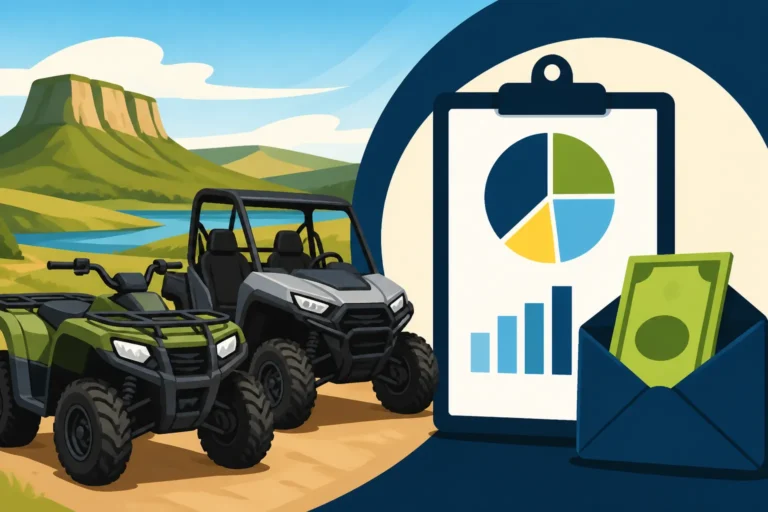
This tax is applied at a fixed percentage of the purchase price of your off-highway vehicle. While the exact figure is subject to change, the underlying principle remains the same: it's a direct charge based on the value of the machine you're bringing into your garage. This tax helps fund various state programs and services, some of which directly benefit the OHV community. Understanding this fundamental difference from a general sales tax can help alleviate some of the initial confusion when you see it on your dealer invoice. For more on this, check out [North Dakota's 5 Percent Motor Vehicle Excise Tax].
Why You Pay it at the Dealership
One of the conveniences, yet sometimes sources of confusion, when buying from a dealer is that they handle the collection of the excise tax for the state. Unlike some other purchases where you might file forms yourself, your North Dakota OHV dealer acts as an agent for the state, collecting this tax directly from you at the point of sale. This process is designed to streamline things, ensuring that the tax is paid when the vehicle changes hands and enters service.
This means you won't have to worry about calculating it or submitting it yourself to a state agency after you drive off the lot. The dealer takes care of that administrative burden, remitting the funds to the state on a regular basis. It's built into your transaction, making the process fairly seamless from a buyer's perspective. It's another reason why understanding your full "out-the-door" price from the dealer is so important – it bundles all these necessary costs.
Calculating the Tax on Your Dealer Purchase
So, how exactly is this excise tax calculated when you're at the dealership? It's fairly straightforward, but it's crucial to understand what "purchase price" means in this context. The excise tax is applied to the agreed-upon selling price of the OHV itself. This typically includes the base price of the machine, along with any factory-installed options or accessories that are an integral part of the vehicle as it's sold.
For instance, if you're buying a side-by-side and the dealer is installing a winch, a roof, or a windshield as part of the total package at the time of sale, these items often become part of the taxable purchase price. It's always a good idea to clarify with your dealer exactly what components are being included in the taxable base. This ensures there are no surprises when you review the final invoice. Knowing how this figure is derived gives you a clearer picture of your total investment. Further details on the calculation can be found in [5 Percent on the Purchase Price].
Common Questions and Scenarios with Dealer Purchases
Navigating the financial side of an OHV purchase can bring up a lot of questions, especially when it comes to how different scenarios impact that excise tax. Buyers frequently ask about trade-ins, additional fees, and how promotions factor into the final calculation. Let's explore some of these common situations you might encounter when buying from a North Dakota dealer.
Does a Trade-In Lower the Taxable Amount?
This is a fantastic question and one that can actually save you a good chunk of money. In North Dakota, when you trade in an existing OHV to a dealer as part of a new purchase, the excise tax is typically calculated on the net difference between the price of the new machine and the value of your trade-in. This is a significant advantage, as it means you're not paying tax on the full value of the new OHV if you're offsetting some of that cost with your old machine.
For example, if you're buying a new UTV for a certain amount and trading in your old ATV for a set trade-in value, the excise tax would be applied to the remaining balance you're paying. This can make upgrading your machine much more appealing, as the tax savings can be substantial. Always make sure the trade-in allowance is clearly itemized on your purchase agreement and that the excise tax is correctly calculated on the adjusted price. It's a point worth confirming before you finalize the deal. For more on this, check out [Does a Trade-In Lower North Dakota's 5 Percent Excise Tax?].
What About Dealer Fees: Freight, Setup, and Documentation?
Ah, dealer fees! These can sometimes feel like a mystery, appearing as additional charges beyond the sticker price. When it comes to the North Dakota excise tax, the crucial question is whether these fees are included in the taxable base. Generally, state excise tax is applied to the selling price of the vehicle itself, which often includes the cost of any installed accessories or modifications. However, fees like freight (the cost to get the machine from the factory to the dealership), setup (the cost for the dealer to assemble and prepare the machine), and documentation (admin fees for handling paperwork) are usually treated separately.
These fees are typically legitimate costs incurred by the dealership and are passed on to the buyer. However, they might not always be subject to the excise tax, as they are not considered part of the value of the vehicle for tax purposes. It's always best practice to review your invoice carefully and ask your dealer to explain each line item. Understanding what your "out-the-door" price includes, beyond just the machine's price, is key to avoiding surprises. You can learn more about general dealer fees in [North Dakota Dealer Fees and What to Expect], and a specific administrative fee in [A Dealer's $5 Safety Fee].
Dealer Promotions, Rebates, and the Excise Tax
It's common to see dealerships and manufacturers offer promotions, rebates, or special discounts on OHVs, especially at certain times of the year or for specific models. When these come into play, it naturally raises the question: how does this affect the excise tax? The general rule of thumb is that the excise tax is calculated on the actual price you pay for the vehicle after any rebates or discounts have been applied.
So, if a manufacturer offers a $1,000 rebate on a UTV, and you apply that rebate at the point of sale, your taxable purchase price would be reduced by that $1,000. This is different from a scenario where you pay the full price and then receive a rebate check back in the mail later; in that case, the tax might be on the original, higher amount. Always confirm with your dealer how any promotional offers or rebates are structured and how they impact the excise tax calculation. A clear understanding here can ensure you maximize your savings.
Beyond the Excise Tax: Other Costs to Consider at the Dealership
While the excise tax is a significant component of your OHV purchase from a dealer in North Dakota, it's certainly not the only cost you'll face. There are other mandatory fees and considerations that contribute to your overall "out-the-door" price. Understanding these from the outset can help you budget effectively and avoid any last-minute surprises.
Registration and Titling Fees
Once you've settled on the price of your new ATV or UTV and accounted for the excise tax, your dealer will also handle the necessary paperwork for titling and registration. These are separate, mandatory state fees that ensure your machine is legally recognized for use in North Dakota. The title fee is a one-time charge to establish official ownership, while the registration fee covers your right to operate the OHV for a set period, typically two years.
These fees are distinct from the excise tax and are typically fixed amounts, rather than a percentage of the purchase price. Your dealer will collect these along with the excise tax and forward them to the appropriate state agencies. It's helpful to remember that these are essential steps to legally ride your new machine, especially if you plan on using it on public lands or approved roadways. Understanding the components of these fees can clarify your total initial investment. You can find more specific details on these costs in [North Dakota Title Fee of $5] and [North Dakota Charges $5 Registration Plus $15 Trail Tax].
Understanding Your "Out-the-Door" Price
The "out-the-door" price is a term every OHV buyer should become intimately familiar with. It represents the total amount you will pay to drive your new machine off the lot, including the purchase price, excise tax, registration and titling fees, and any other dealer-specific charges like freight or setup. Focusing solely on the advertised price of the OHV can be misleading, as these additional costs can add up quickly.
When you're serious about a purchase, always ask your dealer for a clear, itemized "out-the-door" quote. This allows you to see every single charge and understand exactly where your money is going. It's your right as a consumer to have full transparency in this process. Having this complete picture upfront empowers you to budget accurately and make an informed decision without any unpleasant financial surprises. For a deeper dive into what makes up this total, check out [North Dakota Out-the-Door Cost on a Side-by-Side] and [State Fees Versus Dealer Fees on One Invoice].
Proof of Ownership and Bills of Sale from a Dealer
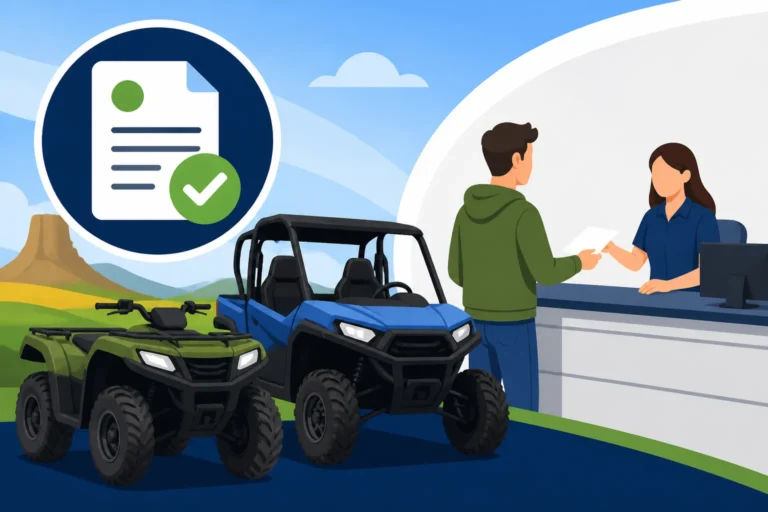
When you purchase an OHV from a North Dakota dealer, you will receive a bill of sale as proof of your transaction. This document is incredibly important for several reasons. Firstly, it legally records the transfer of ownership from the dealership to you. Secondly, it clearly states the purchase price, which is the figure used to calculate the excise tax. This documentation is vital for your records and for any future dealings with the state regarding your OHV.
The dealer is responsible for providing you with a complete and accurate bill of sale, often along with temporary registration paperwork until your official title and plates or decals arrive. This document should detail the machine's VIN, your information, the dealer's information, the purchase date, and an itemized breakdown of costs, including the excise tax collected. Keep this document in a safe place, as it serves as your initial proof of ownership. If you ever find yourself in a situation requiring a bill of sale for a private transaction, resources like LawDepot can provide customizable templates to ensure you cover all the necessary legal points. For more on bills of sale, refer to [North Dakota Bill of Sale Form SFN 2888].
Dealer Responsibilities and Your Rights as a Buyer
When you choose to purchase your ATV or UTV from an authorized dealer in North Dakota, you're not just buying a machine; you're also benefiting from a structured process that comes with certain protections and expectations. Dealers have specific responsibilities, and as a buyer, you have rights to ensure the transaction is fair and transparent.
What the Dealer Must Provide You
A reputable North Dakota OHV dealer handles a significant portion of the administrative burden involved in acquiring a new machine. This is a huge benefit for buyers, as it means you don't have to navigate the intricacies of state paperwork on your own immediately after the purchase. Beyond the machine itself, the dealer is obligated to provide you with several key documents. These typically include the manufacturer's statement of origin (for new vehicles), a detailed bill of sale showing the purchase price and taxes paid, and temporary registration. They'll also submit your title application to the state on your behalf.
This complete package of paperwork is critical. It serves as your official record of ownership and compliance with state regulations. Ensure that all documents are filled out accurately and that you receive copies for your own files. Don't hesitate to ask questions if any part of the documentation seems unclear or incomplete. This upfront attention to detail can prevent headaches down the road. For more on the paperwork involved, see [North Dakota Dealer Paperwork at Delivery].
Quarterly Remittance and How it Affects You
While you pay the excise tax to the dealer at the time of purchase, the dealer doesn't immediately send that money to the state the moment you leave with your new OHV. Instead, dealers typically operate on a system of quarterly remittance. This means they collect these taxes from all their sales over a three-month period and then send a lump sum to the state.
From your perspective as a buyer, this process is largely transparent and doesn't directly affect you once you've paid the tax. Your responsibility is fulfilled when you pay the dealer. The quarterly remittance system is an internal process for the dealership and the state to manage tax collections efficiently. It's good to understand, however, that your tax dollars are held by the dealer for a period before being forwarded to the state. You can read more about this in [Quarterly Remittance by a Dealer].
When to Question Your Invoice
Even with the most reputable dealerships, mistakes can happen, or certain charges might not be immediately clear. As a buyer, you have every right—and indeed, it's wise—to carefully scrutinize your invoice before signing on the dotted line. Look for clear itemization of the OHV's price, any accessories, the excise tax, registration fees, titling fees, and any dealer-specific charges like freight, setup, or documentation fees.
If a charge seems unusually high, or if you're unclear why a particular fee is being applied, don't be afraid to ask for a detailed explanation. A transparent dealer will be happy to walk you through each line item. Comparing your invoice against typical costs and what you've learned about North Dakota's tax structure can help you identify any discrepancies. If you are ever involved in a private sale, or need a legally sound document for any transaction, services like LawDepot offer customizable legal forms, including bills of sale or statements of ownership, which can provide templates for clear and comprehensive agreements.
Disclaimer
This article is for general informational purposes only and does not constitute professional advice. Laws, prices and regulations vary by location and change over time. Consult a qualified professional for guidance on your specific situation.