North Dakota ATV Title Requirements
Navigating the paperwork for your off-highway vehicle (OHV) in North Dakota can feel like wrestling a greased pig – just when you think you've got it, it slips away. Many riders get tangled up trying to figure out if their ATV or UTV even needs a title, what forms they need, and where to take them. This guide will cut through the confusion, clearly outlining North Dakota's ATV title requirements, the documents you'll need, and the step-by-step process to get your machine legally titled and ready for adventure.
Understanding North Dakota's Title Mandate for OHVs
For many years, the idea of titling an ATV or UTV felt like something reserved for cars or trucks. You bought it, you rode it, and as long as you had a bill of sale, you were good to go, right? Well, North Dakota saw the value in clear ownership records, not just for highway vehicles, but for off-highway machines too. This means that unlike some other states, having a title for your ATV, UTV, or even a dirt bike isn't just a suggestion; it's a fundamental part of responsible ownership in the state.
Why Titling Isn't Just for Road Vehicles Anymore
The main purpose of a vehicle title, whether it's for your family sedan or your weekend warrior ATV, is to establish legal ownership. Think of it as the ultimate proof that you, and not someone else, are the rightful owner of that machine. This becomes incredibly important for a few key reasons: it helps prevent theft by creating a documented chain of ownership, it smooths out the process when you decide to sell your machine, and it's often a prerequisite for obtaining proper registration. Without a title, proving ownership can be a nightmare, especially if a machine changes hands multiple times.
In North Dakota, this requirement extends to virtually all off-highway vehicles that operate on public lands or trails. This includes your standard all-terrain vehicles (ATVs), your larger utility terrain vehicles (UTVs, or side-by-sides), and even dirt bikes, provided they meet the state's definition of an OHV. Even tracked dirt bikes, which have their own special permit, ultimately need to be titled. The state wants to ensure that every machine out there has a traceable owner, which ultimately protects both the buyer and the seller. This titling process is also directly linked to getting your machine registered, which is essential for riding on designated public trails or permitted road shoulders. You can find more details on why registration is critical in [Do You Need to Register an ATV in North Dakota?].
What Makes a Machine "Titlable" in North Dakota?
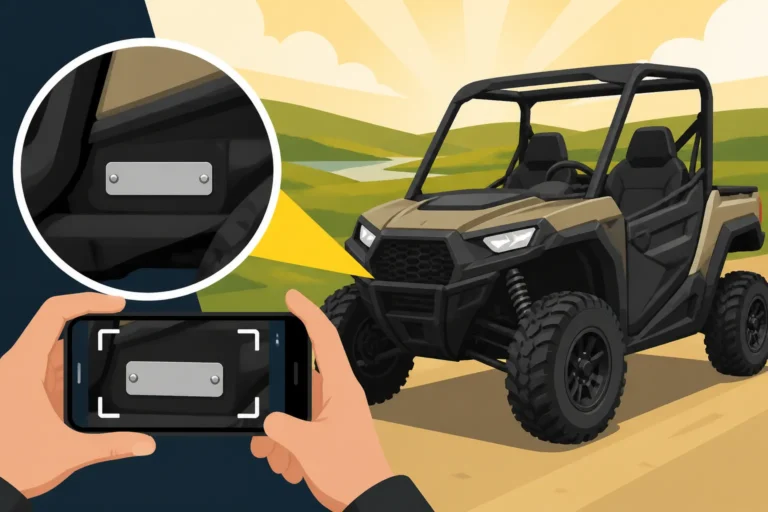
At the heart of any titlable machine is its Vehicle Identification Number (VIN). This unique string of characters is like your OHV's fingerprint, identifying its manufacturer, model, and specific unit. Whether you're buying a brand-new side-by-side from a dealer or picking up a well-loved quad from a private seller, that VIN is the cornerstone of the titling process. It's how the state tracks ownership and ensures the machine isn't stolen or has any outstanding liens against it. Without a valid, legible VIN, you're going to hit a major roadblock in getting your machine titled.
For new machines, the VIN is listed on the Manufacturer's Certificate of Origin (MCO or MSO). For used machines, it'll be on the existing title. Special procedures exist for machines that might not have a clear VIN, like certain older or homemade units, which usually involve an inspection and potentially an assigned VIN from the state. North Dakota also has clear definitions of what constitutes an OHV, and some vehicles, such as electric bicycles, are explicitly excluded from the OHV definition and therefore don't require titling as an OHV. Knowing these distinctions can save you a lot of time and hassle. If you're unsure about the VIN requirements, especially for older or non-standard machines, checking the state's guidelines or even calling your local motor vehicle branch is always a good idea. For a deeper dive into how VINs are handled, you might want to look at [North Dakota VIN Inspection Requirements].
Essential Documents and Steps for Your North Dakota ATV/UTV Title
Getting your OHV titled in North Dakota is all about having the right documents in order. It's like preparing for a big ride – you wouldn't head out without your helmet and maps, and you shouldn't try to title your machine without the necessary paperwork. The specific documents you need can vary slightly depending on whether you're buying a brand-new machine from a dealership or purchasing a used one from a private party. Taking the time to gather everything accurately upfront will make the entire process much smoother.
Gathering Your Paperwork: New Machine Purchases
When you buy a brand-new ATV or UTV from a licensed dealer in North Dakota, they typically handle a lot of the initial paperwork for you, which is a huge convenience. The most critical document you'll receive from the dealer is the Manufacturer's Certificate of Origin (MCO), sometimes called a Manufacturer's Statement of Origin (MSO). This document is essentially the birth certificate for your OHV, proving it's new and has never been titled before. Without this MCO, you cannot title a new machine. It's vital to keep this document safe, as it’s the original proof that the vehicle came directly from the manufacturer.
In addition to the MCO, the dealer will provide you with a bill of sale detailing the purchase price. This bill of sale is crucial because it serves as proof of your purchase and will be used to calculate the excise tax you owe. North Dakota requires a 5 percent motor vehicle excise tax on the purchase of most OHVs, and this is typically collected by the dealer at the time of sale or when you go to title the machine. You'll then take these documents, along with a completed Application for Title and Registration (SFN 2872), to a motor vehicle branch. The [North Dakota Form SFN 2872 Explained] article delves into the specifics of this important application. Ensuring all these documents are correct and complete before you leave the dealership can prevent headaches down the road.
Navigating a Private Sale: What You'll Need
Buying a used ATV or UTV from a private seller requires a bit more diligence on your part, as there's no dealer to guide you through the initial steps. The absolute most important document you need to get from the seller is the original, physical title, signed over to you. Inspect this title carefully to ensure there are no alterations, that the VIN matches the machine, and that it's properly signed by the seller (and any co-owners or lienholders if applicable). If the seller doesn't have the original title, or if it has errors, stop the sale until a clean, valid title can be produced. This step alone can save you from a major headache.
Beyond the title, a comprehensive bill of sale is highly recommended, even if the state's minimum requirements might be less stringent. A good bill of sale, especially for private transactions, protects both buyer and seller by clearly stating the purchase price, date of sale, and that the machine is sold "as-is." You can find reliable templates for such documents from services like LawDepot, which can help ensure you cover all your bases. If the seller had a loan on the machine, you'll also need a lien release from their bank or financial institution, proving the debt is paid off and they no longer have a claim on the OHV. Finally, you'll complete your own Application for Title and Registration (SFN 2872) with all your information. For a deeper understanding of the bill of sale, refer to [North Dakota Bill of Sale Form SFN 2888].
Special Situations: No Title, Homemade, or Inherited Machines
Life isn't always straightforward, and neither is titling every OHV. Sometimes, you might encounter a machine that, for whatever reason, has never been titled in North Dakota, or perhaps it's an older model where titles weren't as strictly enforced in its original state. In such cases, you might need to present additional proof of ownership, such as a previous registration card, an older bill of sale, or even a sworn statement of ownership. The state's goal is to establish a clear chain of custody. If the machine comes from a state that didn't title OHVs, a [North Dakota Statement of Ownership Form SFN 2903] might be required, alongside a bill of sale.
For those adventurous souls who have built a machine from the ground up, a "homemade" OHV requires a different path. You'll need to gather receipts for the major components used and apply for a VIN assignment. This typically involves an inspection by law enforcement to verify the machine's construction and assign a new VIN. It’s a process that ensures even custom-built machines can be legally tracked. Similarly, if you've inherited an ATV or UTV, you'll need legal documents like a death certificate, will, or probate court orders to prove your rightful claim. These situations emphasize the importance of having solid documentation. In complex private sale scenarios or when dealing with machines without clear prior titles, creating detailed, legally sound documents (such as a comprehensive bill of sale or affidavit) can be greatly facilitated by platforms like LawDepot, ensuring all parties are protected and the state has the necessary information.
The Titling Process: From Application to Receiving Your Title
Once you've meticulously gathered all your documents, you're ready to take the plunge and formally apply for your North Dakota OHV title. This final stage involves submitting your paperwork, paying the necessary fees, and then patiently awaiting the official proof of ownership to arrive. Understanding where to go, what fees to expect, and how to safeguard your title once you receive it are all critical components of a successful titling process.
Where to Apply and What to Expect
The most common and often quickest way to apply for your OHV title in North Dakota is by visiting one of the state's motor vehicle branch offices. These offices are staffed by professionals who can review your paperwork, answer questions, and ensure everything is in order before submission. [Registering at a Motor Vehicle Branch] can often combine the titling and registration processes, making it a convenient one-stop shop. Be prepared for potential wait times, especially during peak hours. You can also mail your application and supporting documents directly to the North Dakota Department of Transportation (NDDOT) central office in Bismarck, but this typically results in longer processing times.
The NDDOT is the agency responsible for issuing titles, and they will carefully review your application and all submitted documents. This review process ensures that all legal requirements are met, the VIN is valid, and there are no existing liens or ownership disputes. While branch offices can often process the initial submission efficiently, the actual title issuance usually comes from the central office. It’s important to set realistic expectations for how long this will take; patience is a virtue here. For a general idea of processing times, you might find useful information in [North Dakota Registration Processing Time].
Understanding Fees and Taxes Beyond the Title Itself
When you title your OHV in North Dakota, you'll encounter a few different charges beyond just the machine's purchase price. First and foremost, there's the title fee itself. This is a relatively modest, one-time fee to cover the administrative cost of issuing your official title. At present, [North Dakota Title Fee of $5] is a fixed cost that every OHV owner pays to establish legal ownership. This fee helps the state maintain accurate records and manage the titling system.
However, the bigger financial consideration for many buyers is the excise tax. North Dakota levies a [North Dakota's 5 Percent Motor Vehicle Excise Tax] on the purchase price or fair market value of most OHVs. This tax is typically paid at the time of titling, whether you bought the machine new from a dealer or used from a private seller. For new purchases, dealers often collect this and remit it on your behalf. For private sales, you're responsible for paying it when you submit your title application. On top of these, you'll also pay registration fees, which include a [North Dakota Charges $5 Registration Plus $15 Trail Tax] for the two-year cycle, ensuring your machine is legally allowed on public trails. If you purchased from a dealer, there might also be a small [North Dakota Dealer Safety Fee of $5]. These fees and taxes are all part of the "out-the-door" cost of owning an OHV in the state, and utilizing resources like LawDepot for custom bill of sale templates can help you meticulously document the transaction, making it easier to calculate and pay the correct excise tax.
Receiving and Safeguarding Your North Dakota Title
Once your application has been processed and approved by the NDDOT, your official North Dakota Certificate of Title will be mailed to you. This is a crucial document, typically printed on security paper, that clearly states your name as the legal owner, the vehicle's VIN, make, model, and year, and any active lienholder information. It's imperative that you review all the information on the title immediately to ensure accuracy. If you find any discrepancies, contact the NDDOT promptly to have them corrected.
The most important rule for your title is to keep it in a safe, secure place – but not on your OHV. Unlike your registration card, which you might carry with you, the title is proof of ownership and should be stored safely at home, perhaps in a fireproof safe or with other important documents. If your title is ever lost, stolen, or damaged, you'll need to apply for a duplicate. While there isn't a specific internal link for "North Dakota Duplicate Title Cost," the process usually involves completing a form, paying a small fee, and submitting it to the NDDOT. Protecting your title also includes understanding how liens are recorded. If you financed your OHV, the lender will be listed as a lienholder on your title until the loan is paid off. You can learn more about how the state handles these records in [North Dakota Registration and Lien Records]. Once the loan is satisfied, the lienholder will typically send you a release, which you'll then submit to the NDDOT to have the lien removed from your title, ultimately giving you a "clean" title in your name.
Here's a quick reference table to help you keep track of the documents needed for different purchase scenarios:
| Document Type | New Machine (Dealer Purchase) | Used Machine (Private Sale) | Homemade Machine | Inherited Machine |
|---|---|---|---|---|
| Manufacturer's Certificate of Origin (MCO/MSO) | Required | N/A (Previous Title instead) | N/A | N/A (Previous Title instead) |
| Previous Title (Signed) | N/A | Required (Signed by Seller) | N/A | Required (If existed, with probate docs) |
| Bill of Sale | Required (from Dealer) | Highly Recommended (LawDepot, etc.) | Receipts for major components | N/A (Probate docs serve this function) |
| Application for Title & Registration (SFN 2872) | Required | Required | Required | Required |
| Proof of North Dakota Excise Tax Paid | Required (usually collected by dealer) | Required (paid at titling) | Valuation/Proof of parts cost | Valuation for tax purposes |
| Lien Release | N/A (if no loan) | Required (if previous owner had loan) | N/A | N/A |
| Statement of Ownership (SFN 2903) | N/A | Possible (if no previous ND title) | Possible (for VIN assignment) | Possible (with death cert./will) |
| VIN Inspection Form | N/A (unless questionable VIN) | Possible (if questionable VIN) | Required (for VIN assignment) | N/A (unless questionable VIN) |
| Probate Documents / Death Certificate | N/A | N/A | N/A | Required |
Disclaimer
This article is for general informational purposes only and does not constitute professional advice. Laws, prices and regulations vary by location and change over time. Consult a qualified professional for guidance on your specific situation.