Park Entrance Versus Trail Access
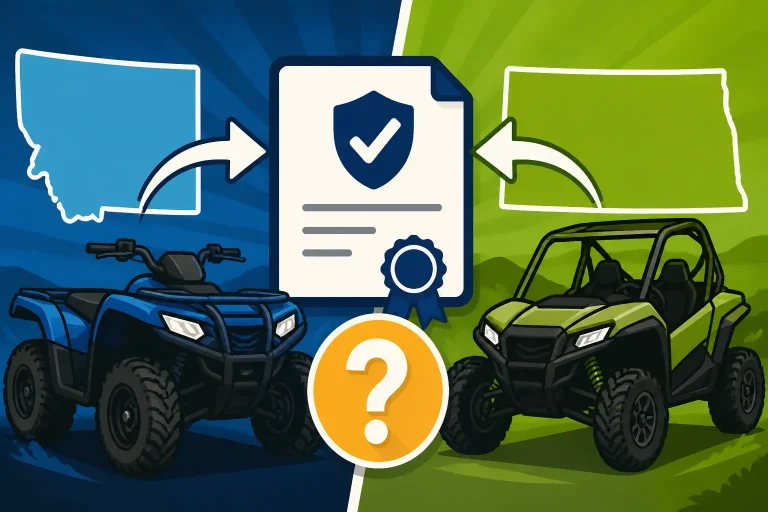
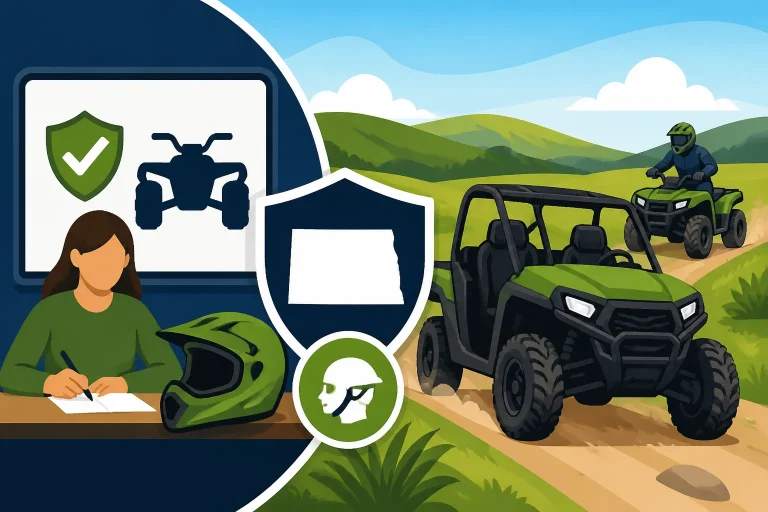
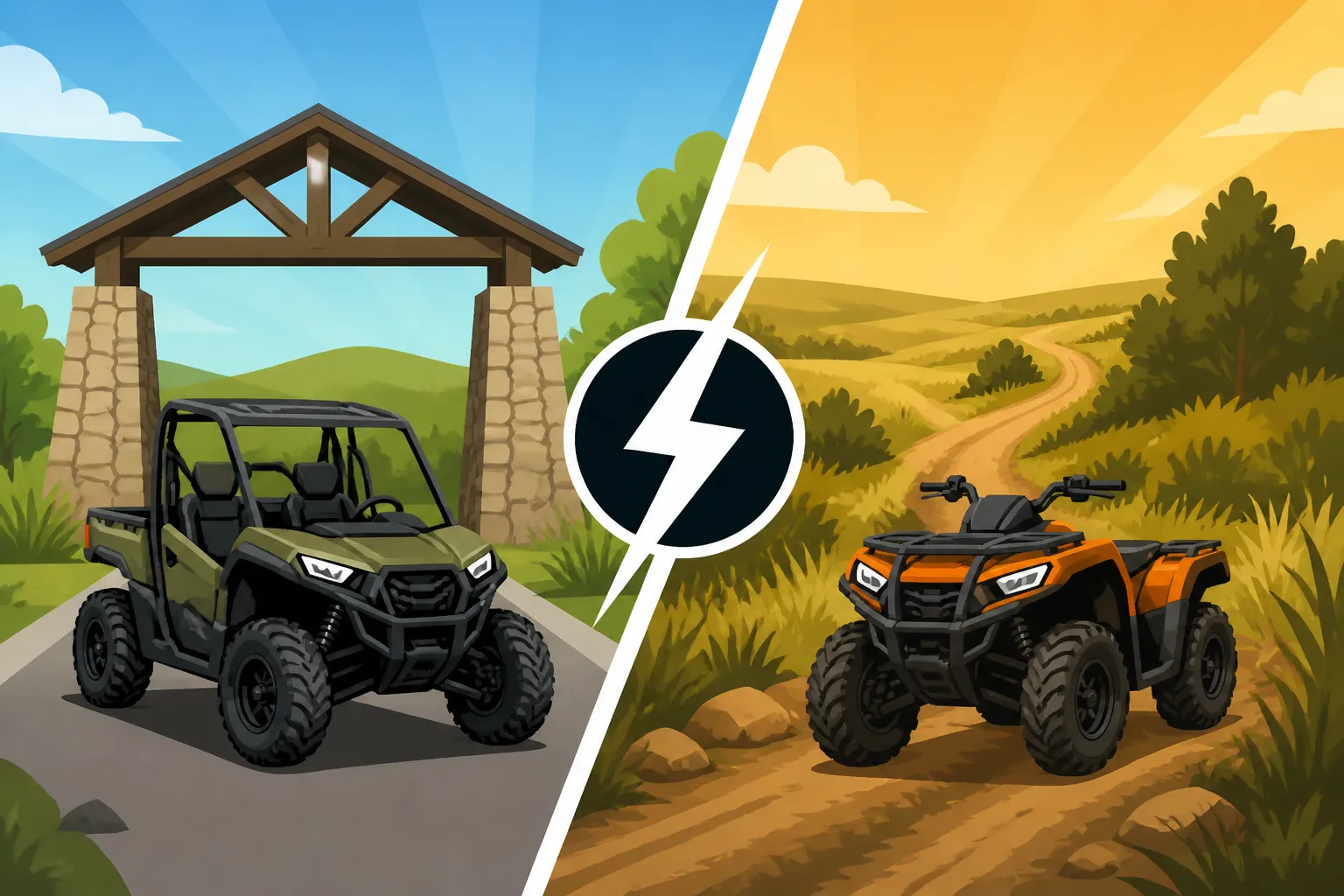
A park entrance permit and permission to ride an ATV or UTV are two different things in North Dakota. One covers bringing a vehicle into a state park; the other concerns the machine and where it may be operated. Sorting out both before a trip helps avoid arriving with a valid park pass but no legal access to ride.
What a park entrance permit covers
A North Dakota state park entrance permit is for entering a state park in a motor vehicle. If you drive a truck or other vehicle into a park to reach a trailhead or campsite, check whether that vehicle needs a daily or annual entrance permit. The permit is tied to park entry, not to the ATV or UTV’s registration and not to a particular trail.
That difference matters when you’re hauling a machine on a trailer. A park entrance permit for the tow vehicle does not, by itself, authorize unloading and riding the ATV. It also does not turn every park road, campground road, or open-looking area into a legal OHV route. Check the park’s current entrance requirements and riding rules before you go.
Park entrance fees and OHV riding requirements are separate checks:
| What you’re doing | What to check | What it does not provide |
|---|---|---|
| Driving a truck or other motor vehicle into a state park | Whether that vehicle needs a park entrance permit | Permission to ride an ATV or UTV |
| Riding a North Dakota-registered OHV | Registration status, required plate or decal, and where riding is allowed | Park entrance for the tow vehicle |
| Riding as a visitor with an out-of-state machine | Whether a North Dakota non-resident OHV permit is required for the planned ride | Permission to ride on a closed or undesignated route |
| Using a designated OHV trail in a park | The trail’s access rules, closures, and machine restrictions | A substitute for vehicle-entry requirements |
Park access is only one part of the trip. A machine still needs the appropriate registration or permit, and riding is limited to places where it is allowed. North Dakota State Park Entrance Permits explains the park-entry side, while North Dakota Registration and Trail Access covers why registration and access are not the same thing.
What permits or registration cover for the ATV or UTV
The machine’s paperwork depends partly on whether it is registered in North Dakota or visiting from elsewhere. A park entrance permit does not replace either option.
For a North Dakota machine, check that its registration is current and that the required plate or decal is in place. North Dakota registration includes a trail tax, but paying that tax does not create a right to ride on every public trail or parcel. It supports the registration system and designated trail access; the route itself still has to be open to OHVs. See North Dakota Has No Trail Permit for Residents for the distinction between resident registration and a separate trail sticker.
For an out-of-state machine, a visitor may need a North Dakota non-resident OHV permit, depending on the situation and the intended riding. Do not assume a home-state sticker automatically substitutes for North Dakota’s requirements. Check the current rules for the machine, the rider’s status, and the length and location of the visit. North Dakota Non-Resident OHV Permit explains the visitor-permit question.
The paperwork answers a different question from the park pass:
- Park entrance permit: May the tow vehicle enter the state park under its entrance rules?
- Registration or visitor permit: Does the OHV meet the applicable North Dakota paperwork requirement?
- Trail designation and access: Is this specific route open to this type of machine?
- Other land-use rules: Are there restrictions, closures, or permission requirements for the property?
A valid permit does not override a closure, a posted restriction, or a machine-width limit. Before leaving home, confirm all four points rather than treating one pass or decal as proof that the whole trip is authorized.
Where riding is allowed in a state park
Having a park entrance permit and valid OHV paperwork still does not mean you can ride wherever you find space. North Dakota state parks are generally closed to OHV operation unless riding is specifically allowed or posted. In a park with a designated riding area, keep to the routes and areas identified for OHVs. Do not assume that an ordinary park road or a trail shown for hikers, horses, or bicycles is open to motorized riding.
Pembina Gorge State Recreation Area is a notable destination for OHV riders, but even there the practical question is whether the designated riding routes are open and suitable for your machine. Check trail status and any width or other access limits before traveling. Pembina Gorge: North Dakota’s OHV Trail Park offers destination details, and North Dakota Trails With Width Limits is useful if you’re bringing a wide side-by-side.
Rules can also differ outside state parks. A route on federal grassland, a wildlife management area, Corps of Engineers land, or private property is not automatically open because it appears on a map or connects to a public road. Some places allow travel only on designated roads; others restrict motorized use or require landowner permission. For grasslands, follow the applicable vehicle-use map and stay on routes open to motor vehicles. North Dakota Grassland Motor Vehicle Use Maps explains why checking the designated route matters.
Before riding, verify:
- The land manager: Identify who manages the area and use that manager’s current rules.
- The route: Confirm that the specific trail, road, or riding area is open to OHVs.
- The machine: Check width restrictions, vehicle-class rules, and any other limits posted for that route.
- Current conditions: Look for weather-related closures, flooding, maintenance, or other temporary restrictions.
- Permission: If the route crosses private land, obtain permission where required; do not rely on a park pass as permission to cross it.
Maps are useful for planning but may not reflect a temporary closure or a recent change. Confirm conditions with the park or land manager close to your trip, especially after heavy rain or flooding. North Dakota Trails Closed by Wet Weather covers a common reason a route can be unavailable even when it is normally open.
How to plan a trip without mixing up the permits
Treat the tow vehicle, the OHV, and the riding location as three separate parts of the plan. This simple sequence can prevent the most common confusion:
- Choose the riding area first. Confirm that OHV riding is allowed there and identify the designated routes.
- Check the machine’s paperwork. Confirm North Dakota registration or determine whether a non-resident permit applies. Make sure the required decal or plate is displayed as directed.
- Check park entry for the vehicle you’ll drive in. If the route starts inside a state park, confirm the current entrance-permit requirement for the tow vehicle.
- Review route-specific limits and closures. Check width restrictions, access notices, and current trail conditions.
- Carry the relevant records. Keep proof of the machine’s registration or permit available, along with any park-entry confirmation or landowner permission you need.
- Recheck before departure. Rules, availability, and conditions can change. Use the current information from the relevant park or land manager rather than relying only on an old map or a previous visit.
If you are unsure which requirement applies, ask the park office about vehicle entry and riding locations, then confirm the machine’s paperwork with the appropriate OHV permitting or registration source. Those are separate questions, so one office’s answer about park entry may not settle whether your machine can ride a particular route.
The practical rule is straightforward: a park entrance permit gets the qualifying vehicle into the park; OHV registration or a visitor permit addresses the machine’s paperwork; and a posted or designated route determines where you can ride. You may need to satisfy all three before the trip is ready.
Disclaimer
This article is for general informational purposes only and does not constitute professional advice. Laws, prices and regulations vary by location and change over time. Consult a qualified professional for guidance on your specific situation.