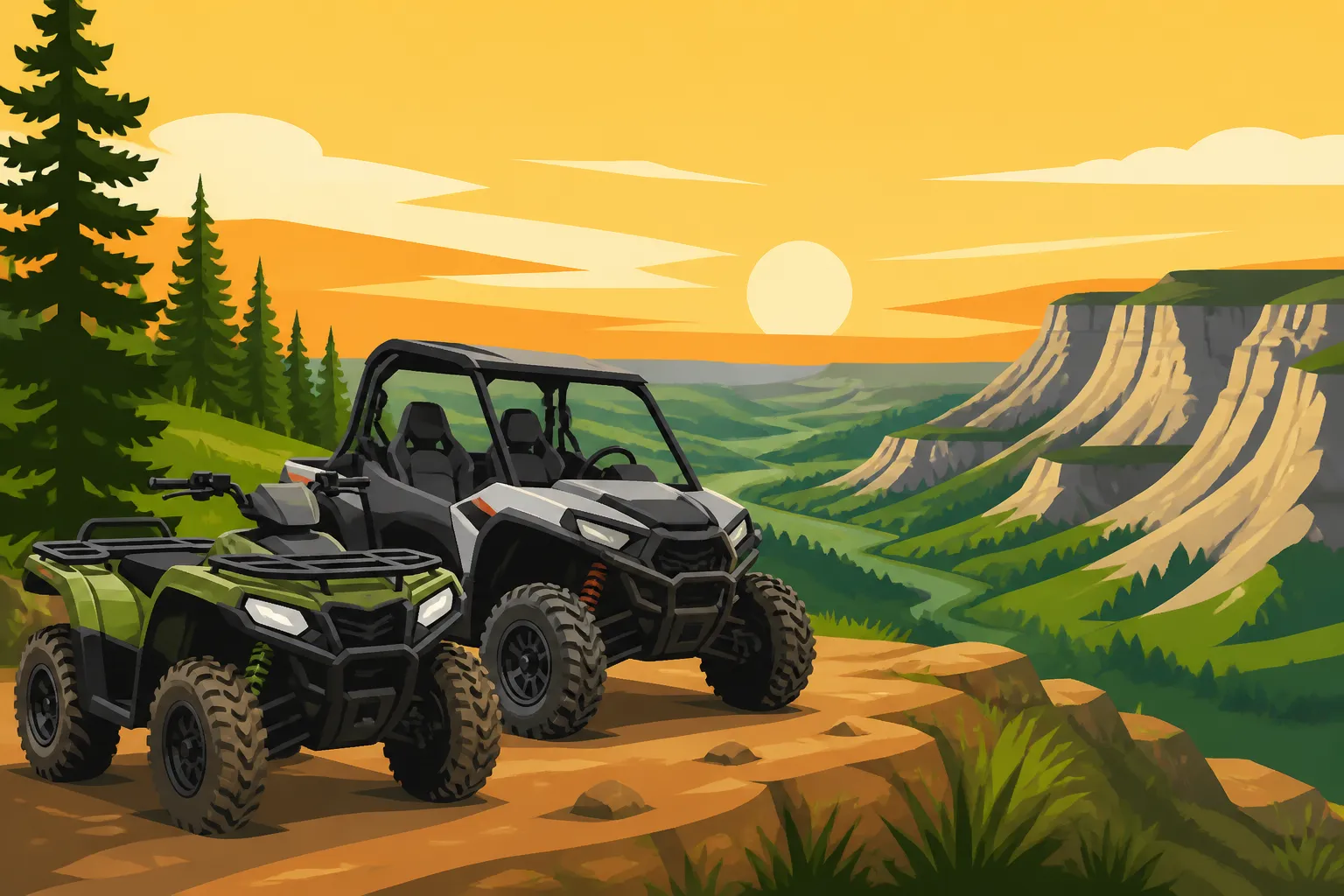
Pembina Gorge’s Trailhead Northwest of Walhalla
The trailhead northwest of Walhalla is a practical starting point for exploring Pembina Gorge, but a good ride takes more than finding the parking area. Trail conditions, machine width, weather, permits, and local directions can all affect the day. This guide explains how to plan your arrival, choose a route, prepare your ATV or UTV, and avoid common problems.
Finding the Pembina Gorge trailhead northwest of Walhalla
Plan your approach before leaving Walhalla
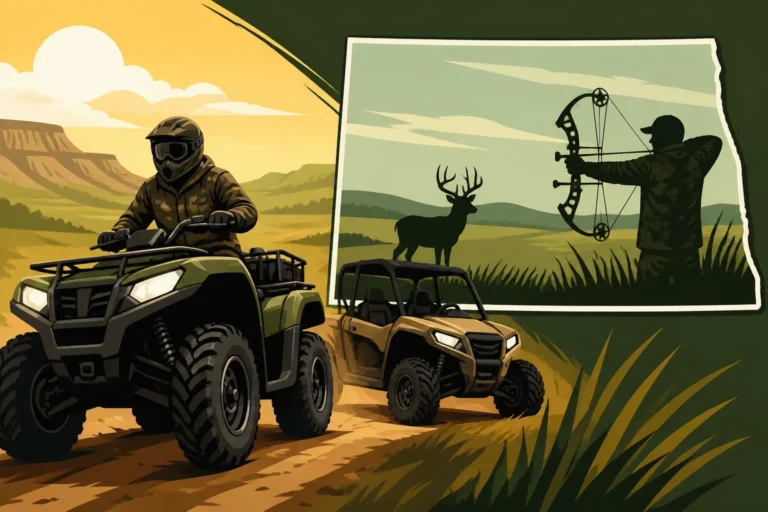
Pembina Gorge lies in northeastern North Dakota, near the town of Walhalla and the Pembina River valley. The landscape changes noticeably from open prairie to wooded slopes and winding ravines, so the final part of a drive may feel more remote than the distance on a map suggests. If you are towing a long trailer, decide where you will turn around and park before you reach the trailhead rather than assuming every approach has room for a wide swing.
Use official park directions and trail information to confirm the access point before you set out. Trailhead names and map labels can be easy to confuse, especially when you are comparing a state map, a phone map, and a navigation app. The guide to [Pembina Gorge's Trailhead Northwest of Walhalla] can help orient your planning, while [Pembina Gorge: North Dakota's OHV Trail Park] provides broader context about the riding area.
A mapping app such as onX Offroad can be useful for preparing a route, checking your position, and identifying nearby roads before you lose reliable cell service. Treat it as a planning aid, not the final authority on whether a road or route is open to OHVs. Compare app information with posted signs and official park guidance, and don’t assume that a line on a map grants permission to ride there.
Know what the trailhead does and does not provide
A trailhead is a staging point, not a promise that every rider can fit comfortably or find all needed supplies on arrival. Before loading up, check whether the parking area suits your trailer and group size. If several vehicles are traveling together, agree on a meeting plan in advance and leave room for other visitors to park, unload, and turn around. [North Dakota Trailhead Parking Limits] is a useful read if you are organizing a larger group or hauling a long rig.
Plan to arrive with your machine ready to ride. Bring water, food, basic tools, a first-aid kit, and anything needed to secure your trailer. Do not count on the trailhead as a place to refuel, buy supplies, or repair a machine. A rider who discovers a loose battery connection or a soft tire after unloading can lose a good portion of the riding day before reaching the trail.
If you are unfamiliar with the area, save the trailhead location and the route back to your vehicle before you leave home. Download or save any map information you may need offline, and carry a paper backup if you have one. onX Offroad can help you keep track of your position, but checking your phone’s battery and offline coverage before the ride matters just as much as installing the app.
Choosing a route and understanding trail conditions
Match the ride to your machine and your group
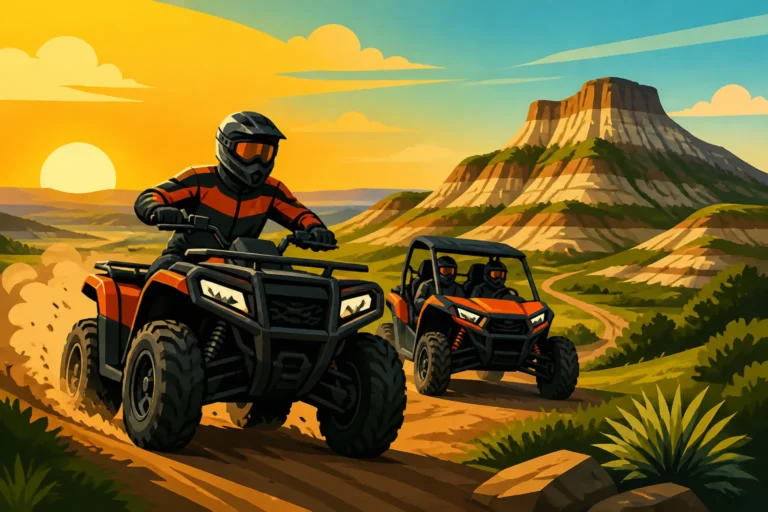
Pembina Gorge offers a more enclosed, wooded riding experience than the wide-open prairie roads many North Dakota riders know. Expect turns, changes in elevation, and sections where sightlines may be limited by trees or terrain. Choose a route that fits the least experienced rider in your group, not just the person who has ridden the most challenging terrain.
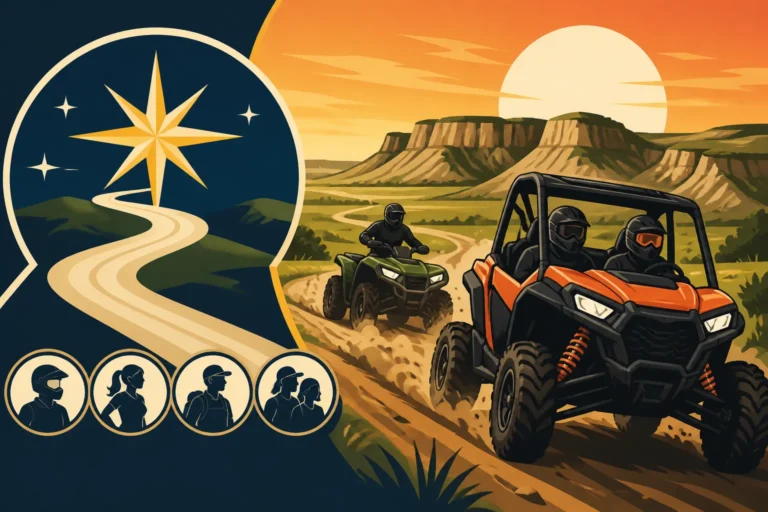
The named routes can help you set expectations. [Lady Slipper Loop and Who It Suits] and [Blazing Star Loop and Who It Suits] are useful starting points when comparing what may fit your group. Before committing, check the current trail map and posted information for route availability, machine restrictions, and any changes to access. A loop that sounds manageable in a short description can feel very different to a young rider, a passenger, or someone operating a wide side-by-side.
Width is especially important for UTV owners. Gates and narrow trail sections can limit access, so measure your machine at its widest point—including accessories that extend beyond the body—and compare that measurement with the current posted limit. Do not rely only on the model’s advertised width. The guide to [The 60-Inch Gate at Pembina Gorge] explains why that restriction deserves attention before you tow all the way to the trailhead.
| Planning question | What to check before riding |
|---|---|
| Will my machine fit? | Measure the widest point, including installed accessories, and compare it with posted limits |
| Is the route suitable? | Review current maps, trail signs, and the experience level of your group |
| Is the trail open? | Check official trail status and look for closure notices |
| Is the ground rideable? | Consider recent rain, muddy sections, and the possibility of soft or slick terrain |
| Can I navigate without service? | Save maps offline, charge devices, and carry a backup plan |
Check closures and weather before you unload
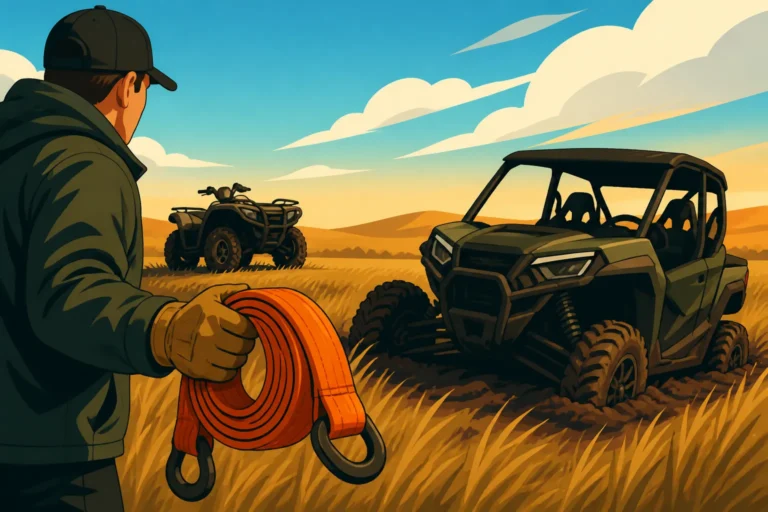
Rain can change the ride quickly. A trail that seemed firm when you planned the trip may become slippery, deeply rutted, or vulnerable to damage after wet weather. In the gorge, shaded and wooded sections may stay damp longer than exposed ground. Check [Pembina Gorge Closing After Rain] and [North Dakota Riding in Spring Mud] when deciding whether to go, especially during a wet stretch or spring thaw.
Do not treat an open gate or a route shown in an app as proof that conditions are good. Check official status information before you leave, then pay attention to signs at the trailhead and along the route. If a closure is posted, respect it. Riding around a barrier or making a new path through wet ground can damage the trail and may create problems for everyone who uses the area later.
A simple plan for a questionable-weather day is to choose a backup activity before driving to Walhalla. If the trail is closed or visibly too soft, do not pressure the group to ride anyway because the trip took time to organize. You can check [Checking Pembina Gorge Status by Phone] before heading out, then make the call while you still have room to adjust your plans.
Getting ready for a safe, low-stress ride
Handle permits, registration, and machine checks early
Paperwork is easier to sort out at home than at a busy trailhead. North Dakota residents should make sure their machine’s registration is in order and understand the distinction between registration and trail access. Visitors should check the applicable nonresident requirements before traveling; a home-state sticker does not automatically answer every North Dakota requirement. [North Dakota's Non-Resident OHV Permit] and [North Dakota Has No Reciprocity With Any State] are useful starting points for visiting riders.
Do not assume that an entrance permit for a park and an OHV permit serve the same purpose. They may apply to different access or vehicle requirements. Check the rules that apply to your machine and trip, and keep any needed proof where you can reach it without unpacking your entire vehicle. For a broader look at the riding area and how it fits into the state’s destinations, see [North Dakota OHV Trails: All Four Riding Areas].
Before loading, check tires, brakes, throttle return, lights, fuel, and any belts or drive components that are relevant to your machine. Inspect tie-down points and secure the machine so it cannot shift during the drive. A quick walk-around at home is much less frustrating than discovering a problem beside the trailhead with a group waiting to ride.
Carry the right gear and agree on a group plan
Bring a helmet and protective gear appropriate for the rider and machine, plus gloves, eye protection, water, snacks, and weather layers. Conditions can feel different under tree cover than they do in the open, and a cool start can turn into a warm afternoon. Pack a first-aid kit and a basic tool kit, and make sure at least one person in the group knows how to use them.
Before setting out, agree on simple group rules. Decide who leads, who rides at the back, where you will regroup at junctions, and what to do if someone stops or gets separated. Keep a pace that allows riders to see one another and respond to changing terrain. [North Dakota Trail Etiquette Locals Expect] offers helpful reminders for sharing a riding area without turning a fun day into a trail conflict.
Keep navigation practical. Use onX Offroad or another map to help understand your location and planned route, but pause at trail junctions to read signs rather than following a phone blindly. Save the trailhead location, conserve battery, and tell someone outside the group where you intend to ride and when you expect to return. If a route looks different from what you expected, stop somewhere safe and reassess instead of pushing ahead.
Making the most of your day near Walhalla
Use a flexible itinerary instead of chasing mileage
A relaxed plan often works better at Pembina Gorge than trying to cover as much ground as possible. Start with an easier loop or a shorter outing, especially if the group includes new riders, children, or people who have not ridden wooded terrain recently. Build in time for stops, map checks, and a snack break. The point is to enjoy the gorge, not to turn every ride into a race against daylight.
If the trail is in good condition and the group is comfortable, you can adjust the plan as the day develops. But keep enough time to return to the trailhead without hurrying. A late start, a slow-moving group, or an unexpected repair can make a route feel longer than it looked on the map. Set a turnaround time and stick to it, even if there is another spur you are curious about.
Walhalla is a useful place to organize the trip around, but do the practical preparation before you arrive at the trailhead. Confirm the route, check conditions, and make sure everyone knows where to meet if vehicles are coming from different directions. If you want to explore other destinations on a separate trip, [North Dakota Trails Near Walhalla] can help you consider the wider area without assuming that every nearby road is open to OHVs.
Leave the area ready for the next rider
At the end of the ride, check that everyone and every machine has returned to the staging area. Look over your vehicle and trailer before leaving, collect trash, and avoid blocking other users while loading. If you notice damage, an unexpected closure, or a trail condition that could affect other riders, follow the appropriate park reporting process rather than trying to fix the route yourself.
Mud deserves a little extra attention. Riding around a wet spot can widen the trail and create a second rut, so turn back when conditions call for it rather than forcing a passage. Clean mud from your machine before it hardens, and avoid carrying invasive plant material or soil to the next riding area. Small habits like these help keep the gorge’s trails enjoyable and reduce avoidable damage.
A successful trip northwest of Walhalla usually comes down to a few unglamorous choices: checking the route, respecting width and closure information, packing for a remote ride, and being willing to change plans when the ground is too wet. Get those details right, and you can spend less time troubleshooting at the trailhead and more time enjoying the winding routes through Pembina Gorge.
Disclaimer
This article is for general informational purposes only and does not constitute professional advice. Laws, prices and regulations vary by location and change over time. Consult a qualified professional for guidance on your specific situation.