North Dakota Back-Slopes and Ditch Bottoms
It's incredibly frustrating when you just want to enjoy your ATV or UTV but feel like you need a law degree to figure out where you're actually allowed to ride. North Dakota has some unique rules, especially when it comes to ditch riding, which can be a lifeline for off-road enthusiasts wanting to connect trails or simply enjoy the vast prairie. This comprehensive guide will break down the specific regulations concerning back-slopes and ditch bottoms, helping you understand precisely where you can legally operate your machine and what pitfalls to avoid.
Understanding North Dakota's Ditch Riding Landscape
North Dakota offers a vast, open landscape that's a true paradise for off-road vehicle enthusiasts, but navigating the legalities can feel like trekking through thick gumbo after a spring rain. Many riders naturally look to the expansive road ditches as potential riding areas, and for good reason—they often provide a clear, if sometimes challenging, path. However, it's not a free-for-all out there. The state has specific rules about which parts of the ditch are fair game and which are strictly off-limits, and understanding these distinctions is absolutely crucial for staying on the right side of the law and ensuring your safety.
The Legal Right to Ride in Ditches
Believe it or not, North Dakota is one of those fantastic places where, under certain conditions, you do have a legal right to operate your OHV in road ditches. This isn't just a local custom; it's written into state law, providing a unique network for riders that many other states simply don't offer. This legal right is a huge boon for connecting riding areas, accessing remote hunting spots, or just enjoying a long, scenic ride across the prairie. It acknowledges the practical reality of rural life and the utility of these machines. However, it's not an unlimited license to roam. This privilege comes with specific responsibilities and restrictions, designed to ensure public safety, protect infrastructure, and respect adjacent private property. Thinking that "ditch riding" means the entire area from the road's edge to the fence line is where many riders get into trouble, because the law is far more nuanced. [North Dakota Ditch Riding: The Legal Right Explained] is a great resource if you want to dive deeper into the general framework.
Defining "Ditch Bottom" and "Back-Slope"
To truly understand North Dakota's ditch riding rules, we need to get specific with our terminology. The law isn't vague; it defines distinct areas within a road's right-of-way, and your ability to ride depends entirely on which of these areas you're in.
The "ditch bottom" is pretty intuitive—it's the lowest point in the ditch, the natural trough where water typically collects and flows. Think of it as the deepest part of the "V" shape that often forms alongside the road. This area is generally considered open for OHV travel, provided you meet all other requirements.
The "back-slope" is the slope that rises from the ditch bottom towards the private land or fence line, furthest from the paved or graveled roadway itself. Imagine you're standing in the ditch bottom; the back-slope is the side of the ditch that goes up and away from the road. This area is also typically open for OHV use. Both the ditch bottom and the back-slope are distinguished from the "inslope" and "shoulder," which are critical distinctions that we'll cover next. Understanding these terms isn't just legal jargon; it's the difference between a lawful ride and an unexpected citation. Many riders often eye the entire grassy expanse beside a road and assume it's all part of the "ditch," but the state's definitions are quite precise, and an officer will certainly know the difference.
Where You Can and Cannot Ride in North Dakota Ditches
While North Dakota is quite progressive in allowing OHV use in road ditches, it's not a blanket permission slip for every inch of the right-of-way. The law very carefully delineates specific zones where you can operate your machine and equally important zones where you absolutely cannot. Misunderstanding these boundaries is one of the quickest ways to find yourself in hot water, facing fines or even more serious penalties. It's about safety for all road users and protecting public infrastructure. You might see a seemingly inviting patch of grass, but if it falls into a prohibited category, it's best to steer clear.
Open Areas: Back-Slopes and Ditch Bottoms
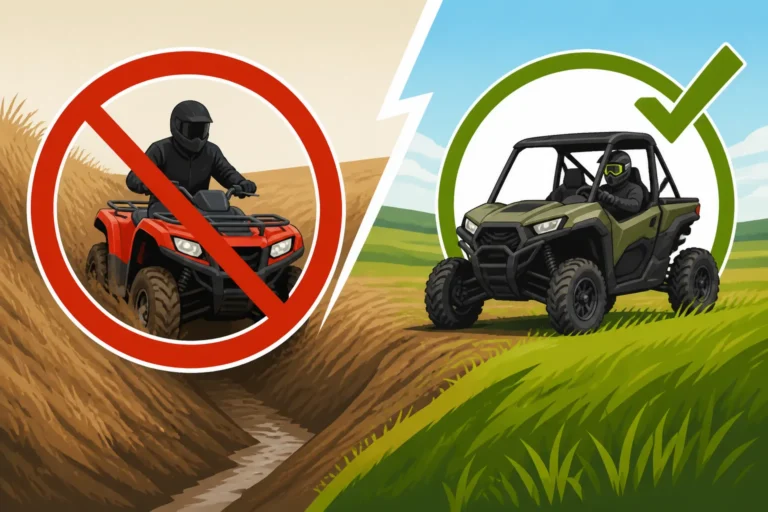
As we discussed, the good news for riders is that the ditch bottom and the back-slope are generally considered open for OHV travel in North Dakota. These are the primary zones where you can legally operate your ATV or UTV. The logic behind this is often to provide a safe travel corridor that is furthest away from the main flow of traffic on the road itself. These areas are usually less prone to pedestrian traffic and are designed to manage water runoff, making them suitable, though often challenging, for off-road vehicles. When you're cruising along a dirt or gravel road, for example, the deepest part of the trough beside it, and the rise towards the property line, are your typical legal playgrounds. Riders often use these areas to travel between towns, reach private land access points, or simply enjoy the open air away from highway speeds. It's a fundamental part of the OHV experience in the state, offering extensive mileage that can be explored. Just make sure your machine meets other requirements, like being properly registered.
Prohibited Areas: Inslopes and Shoulders
Now, let's talk about where you cannot ride, which is just as important, if not more so. The "inslope" is the slope that rises from the ditch bottom towards the road surface. It's the side of the "V" that is closest to the actual travel lane. The "shoulder" is the area immediately adjacent to the paved or graveled portion of the road, typically flatter than the inslope, and often used for emergencies or parking. Both the inslope and the shoulder are strictly off-limits for OHV operation in North Dakota. The reasoning here is clear: these areas are too close to vehicular traffic, posing significant safety risks for both OHV riders and motorists. They are also crucial for the structural integrity of the roadway itself and often contain utility lines or drainage features that could be damaged by off-road vehicles. Riding on the shoulder, especially, mimics driving on the road itself, which has different rules entirely. A law enforcement officer will be quick to point out this distinction, and ignorance of the law is never a valid defense. It’s crucial to keep your machine down in the ditch bottom or up on the back-slope to avoid crossing into these prohibited zones.
The Interstate Exception: Why Interstates are Always Closed
It's a common, and often dangerous, misconception that if you can ride in some ditches, you can ride in all ditches. This is absolutely not the case, particularly when it comes to interstate highways. Interstate highways in North Dakota, like those across the country, are classified as "controlled-access rights of way." This means they are designed purely for high-speed, limited-access vehicular traffic, and their ditches and shoulders are explicitly off-limits to OHVs, pedestrians, and most non-emergency vehicles. Even if the ditch looks wide and inviting, the rules are rigid. The high speeds, limited visibility, and overall design of interstates make OHV operation incredibly hazardous and illegal. There are no exceptions for access or transition on interstate rights-of-way. Trying to ride parallel to an interstate, even far down in the ditch, is a serious violation and could lead to significant fines and dangerous encounters. When planning your route, always consult a map and ensure you're not inadvertently skirting an interstate, as the consequences can be severe. This is one instance where even [North Dakota's Obstruction Exception] does not apply.
Specific Rules and Regulations for Ditch Riding
Riding your ATV or UTV in North Dakota's ditches isn't just about knowing where you can ride; it's also about understanding how you're expected to do it. The state has put in place specific operational guidelines to ensure safety, minimize impact, and maintain order. These rules cover everything from how you handle obstacles to what equipment your machine needs to have. Ignoring these details can quickly turn a fun outing into a legal headache, so it pays to be thoroughly informed.
Crossing Approaches and Obstructions
Even when you're legally riding in a ditch bottom or on a back-slope, you'll inevitably encounter various features that interrupt your path. These might include culverts, field approaches, driveways, or even temporary natural obstructions. North Dakota law recognizes that you can't always stay strictly within the ditch bottom when faced with such an impediment. The key is what's called "transitory operation." This means you are permitted to temporarily leave the ditch bottom or back-slope to cross an approach or bypass a specific, unavoidable obstruction. This isn't an excuse to go joyriding up onto the shoulder or into the inslope for extended periods. The intent is to allow for safe, direct passage over or around the obstacle, with the expectation that you will return to the legal riding area as soon as it's safe and practical to do so. For instance, if a large rock or a section of wash-out blocks the ditch bottom, you can carefully move slightly higher onto the inslope to get around it, but you must immediately drop back down into the ditch or onto the back-slope once the obstruction is cleared. It's about common sense and minimizing your time in prohibited areas.
Transitory Operation and Returning to the Ditch
Building on the concept of crossing obstructions, "transitory operation" is a really important piece of the puzzle for North Dakota ditch riders. This rule allows for brief, temporary deviations from the designated ditch bottom and back-slope. The operative word here is "transitory"—it means temporary, fleeting, and only as long as necessary. Let's say you're riding your SuperATV with its excellent ground clearance through a ditch, and you come across an unexpected, deep mud bog that would otherwise trap your machine. You can, for a short distance, move up the inslope to safely navigate around it. However, the moment you are past the mud, you are legally obligated to steer your machine back down into the ditch bottom or onto the back-slope. This rule prevents riders from using minor obstacles as an excuse to travel at length on the shoulder or inslope, which are reserved for other purposes and pose higher risks. It's a practical allowance for real-world riding conditions, but it's not a loophole to ignore the primary rule of ditch riding. Always exercise caution, ensure you have clear sight lines, and be prepared to yield to other traffic or pedestrians if you briefly enter a less-controlled area.
Equipment Requirements for Ditch Riding
Just because you're riding in a ditch doesn't mean you're exempt from basic equipment requirements. North Dakota law is quite clear that if you're operating an OHV, particularly if you're traveling on public rights-of-way (which ditches are considered), your machine must meet certain standards. For instance, if your machine is capable of highway travel—meaning it can exceed 30 mph, has a motor of at least 350cc, and you're riding on gravel roads—you'll need specific equipment. This includes a working speedometer, an odometer, headlights visible from 300 feet, brake lights, a horn audible from 200 feet, and at least one rearview mirror providing 10 square inches of reflective surface. These requirements are in place for your safety and the safety of others, especially if you need to briefly interact with other traffic or if your ride extends into dusk or darkness. Checking your equipment before you head out is just good practice, and it can save you from a ticket. Products from companies like SuperATV often offer accessories like aftermarket mirrors, lighting kits, and horns that can help ensure your machine is compliant and ready for safe ditch exploration. For detailed equipment rules, check out [North Dakota Mirror and Horn Requirements] and [North Dakota Headlamp Distance Standards].
| Ditch Area Category | Description | OHV Riding Status | Key Considerations |
|---|---|---|---|
| Ditch Bottom | The lowest point or trough of the ditch, usually where water flows. | Generally Open | Farthest from traffic, but may have water, mud, or culverts. Requires careful navigation. |
| Back-Slope | The slope rising from the ditch bottom towards the private land/fence line. | Generally Open | Away from main road traffic. Can be steep, uneven, or have vegetation. |
| Inslope | The slope rising from the ditch bottom towards the main road surface. | Prohibited | Close to traffic, often steeper. Only allowed for transitory operation around immediate, unavoidable obstructions. |
| Shoulder | The flat area immediately adjacent to the road surface. | Prohibited | Highly dangerous due to proximity to traffic. Never permitted for general OHV travel. |
| Interstate Ditches | Ditches adjacent to interstate highways (controlled-access rights of way). | Always Closed | High speeds, no access, severe penalties. Absolutely no OHV operation allowed. |
Safety, Courtesy, and Enforcement in Ditch Riding
Riding an ATV or UTV in North Dakota's ditches isn't just about knowing the legal boundaries; it's also about exercising common sense, showing respect for others, and being aware of the potential consequences if you don't follow the rules. The vastness of the prairie might make it feel like you're alone, but these areas are shared spaces, and your actions have an impact. A little foresight and courtesy can go a long way in ensuring a safe and enjoyable experience for everyone.
Sharing the Space: Interacting with Other Ditch Users
North Dakota's road ditches aren't exclusive OHV trails. You'll encounter a variety of other users, and it's essential to share the space respectfully. Farmers frequently use ditches for accessing fields, moving equipment, or working along fence lines. Their large machinery might not see you, especially if you're riding a smaller ATV. Pedestrians, joggers, or even horseback riders might also be present, particularly near rural residences or small communities. Always be on the lookout for others, reduce your speed, and be prepared to yield. A simple wave or nod can go a long way in fostering good relations with local residents. Remember that ditches also serve as drainage systems and wildlife corridors, so be mindful of the natural environment and local critters. If you're riding a powerful machine, perhaps with robust SuperATV suspension for a smoother ride, it's easy to forget that others might not expect an OHV in that location.
Environmental Responsibility and Respecting Landowners
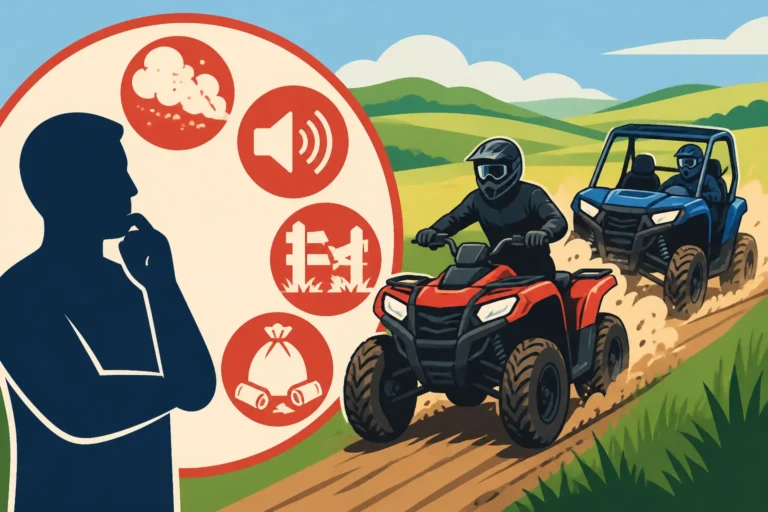
When you're riding in ditches, you're often right on the border of private property. Even though the ditch itself is public right-of-way, respecting the adjacent landowners is paramount. Never cross into private fields or pastures without explicit permission. Look for "Posted" signs, fences, or other indicators of private land. Damaging crops, disturbing livestock, or leaving trash can quickly lead to strained relationships and even legal trouble under [North Dakota Posted Land Rules for Riders]. Beyond private land, environmental responsibility is key. Avoid creating excessive ruts, especially in wet conditions, as this can damage the ditch's drainage function and contribute to erosion. Stick to established paths where possible, and always practice "Tread Lightly" principles. This means packing out everything you pack in, staying on designated routes, and minimizing your impact on the natural surroundings. The beauty of North Dakota's landscape is something we all want to preserve for future generations of riders.
Penalties for Violations
Ignoring North Dakota's ditch riding rules can lead to more than just an admonishment. Penalties for OHV violations can range from monetary fines to more serious legal consequences, depending on the severity and nature of the infraction. Riding in prohibited areas like the inslope or shoulder, or failing to meet equipment requirements, can result in tickets. Operating an unregistered machine can also lead to fines, which is why understanding requirements like [North Dakota's Two-Year OHV Registration] is so vital. More serious offenses, such as reckless operation, damaging property, or riding under the influence, can escalate to misdemeanors, leading to substantial fines, court costs, and even potential jail time. For instance, [What a Class B Misdemeanor Means in North Dakota] paints a picture of the legal weight these infractions can carry. Law enforcement officers actively patrol these areas, and they are well-versed in the specifics of North Dakota OHV law. It's always best to err on the side of caution, know the rules, and ride responsibly to avoid any unpleasant surprises.
Planning Your Ditch Riding Adventure
Ditch riding in North Dakota offers a unique way to experience the state's vast landscapes, but it's not simply a matter of hopping on your machine and going. Strategic planning is essential to ensure a safe, legal, and enjoyable journey. From understanding how rules might shift with the adjacent road type to preparing for the unpredictable North Dakota weather, a little forethought can make a huge difference in your adventure.
Navigating Different Road Types and Terrain
The rules for ditch riding can subtly change based on the type of road the ditch parallels. For instance, ditches alongside gravel roads often provide a more rustic, off-road experience, and the rules generally allow for operation, provided you meet the minimum engine size and equipment requirements for [North Dakota's 350cc Minimum for Road Riding]. However, when ditches run alongside paved roads, especially those with higher speed limits, the risks increase, and vigilance becomes even more critical. While legal in many instances, these ditches might have different maintenance, more frequent approaches, or closer proximity to residences. Always be aware of the adjacent road's speed limit, as this often influences traffic patterns and the general context of your ditch travel. Terrain within the ditch itself also varies wildly—from relatively smooth, grassy bottoms to rocky, eroded sections, or even deep mud, especially after rain. Being prepared for these changes, perhaps with a winch or upgraded tires from SuperATV, is crucial. Also, be mindful of visibility, especially around curves or hills, as incoming traffic or other ditch users might be obscured.
Gear and Preparation for North Dakota Conditions
North Dakota weather is notoriously fickle, and preparing for a ditch riding adventure means being ready for anything. Even on a sunny day, strong winds are common, and conditions can change rapidly. Essential gear includes layers of clothing to adapt to temperature swings, rain gear, and sturdy, waterproof boots. Helmets are mandatory for riders under 18, but strongly recommended for everyone, and eye protection is a must to shield against dust, bugs, and debris. Beyond personal gear, make sure your OHV is in top condition. Carry a basic toolkit, a tire repair kit, and a small air pump. A first-aid kit, plenty of water, and snacks are also non-negotiable, especially on longer rides where services might be scarce. Given the expansive nature of ditch riding, a reliable GPS or mapping app (with offline capabilities, as cell service can be spotty) is invaluable for navigation. If you plan to ride in colder months, consider cold-weather riding gear and even a small shovel or traction aids, as [North Dakota Riding Once Snow Falls] can present unique challenges. Always let someone know your planned route and expected return time, especially if venturing into more remote areas. Being prepared ensures your ditch riding experience is fun, safe, and memorable for all the right reasons.
Disclaimer
This article is for general informational purposes only and does not constitute professional advice. Laws, prices and regulations vary by location and change over time. Consult a qualified professional for guidance on your specific situation.