What a Vehicle Information Request Tells a Buyer
Buying a used ATV or UTV in North Dakota can feel like a game of chance, especially when you're relying solely on the seller's assurances. You're putting down hard-earned money, and the last thing you want is to discover hidden issues, outstanding liens, or even worse, that the machine isn't legally theirs to sell. This guide is here to walk you through exactly how North Dakota's Vehicle Information Request (SFN 21720) can become your most powerful tool, providing crucial details to protect your investment and ensure a smooth, legitimate purchase.
Why You Need to Dig Deeper Than Just the Seller's Word
Picture this: you've found what seems like the perfect side-by-side or quad. The price is right, it looks fantastic in the photos, and the seller has a compelling story about why they're letting it go. It's easy to get swept up in the excitement, especially when the seller is friendly and persuasive. But here in North Dakota, where off-road machines are often passed between private owners, trusting solely on a handshake and verbal assurances can leave you vulnerable to a lot of headaches down the road.
I've heard countless stories from riders who bought a machine only to find out it had a hidden lien, was previously totaled, or had a different engine than advertised. These aren't just minor inconveniences; they can mean legal battles, thousands of dollars in unexpected costs, or even losing your machine altogether. The seller might not even be intentionally misleading you; sometimes, they've purchased the machine used themselves and are unaware of its full history. Or, let's be honest, sometimes people aren't entirely forthcoming. Without a formal way to verify the machine's history, you're essentially buying blind. This is why official documentation is so critical. While a simple [North Dakota Bill of Sale Form SFN 2888] is essential for the transaction, it doesn't tell you the machine's deeper story.
Deciphering the North Dakota Vehicle Information Request SFN 21720
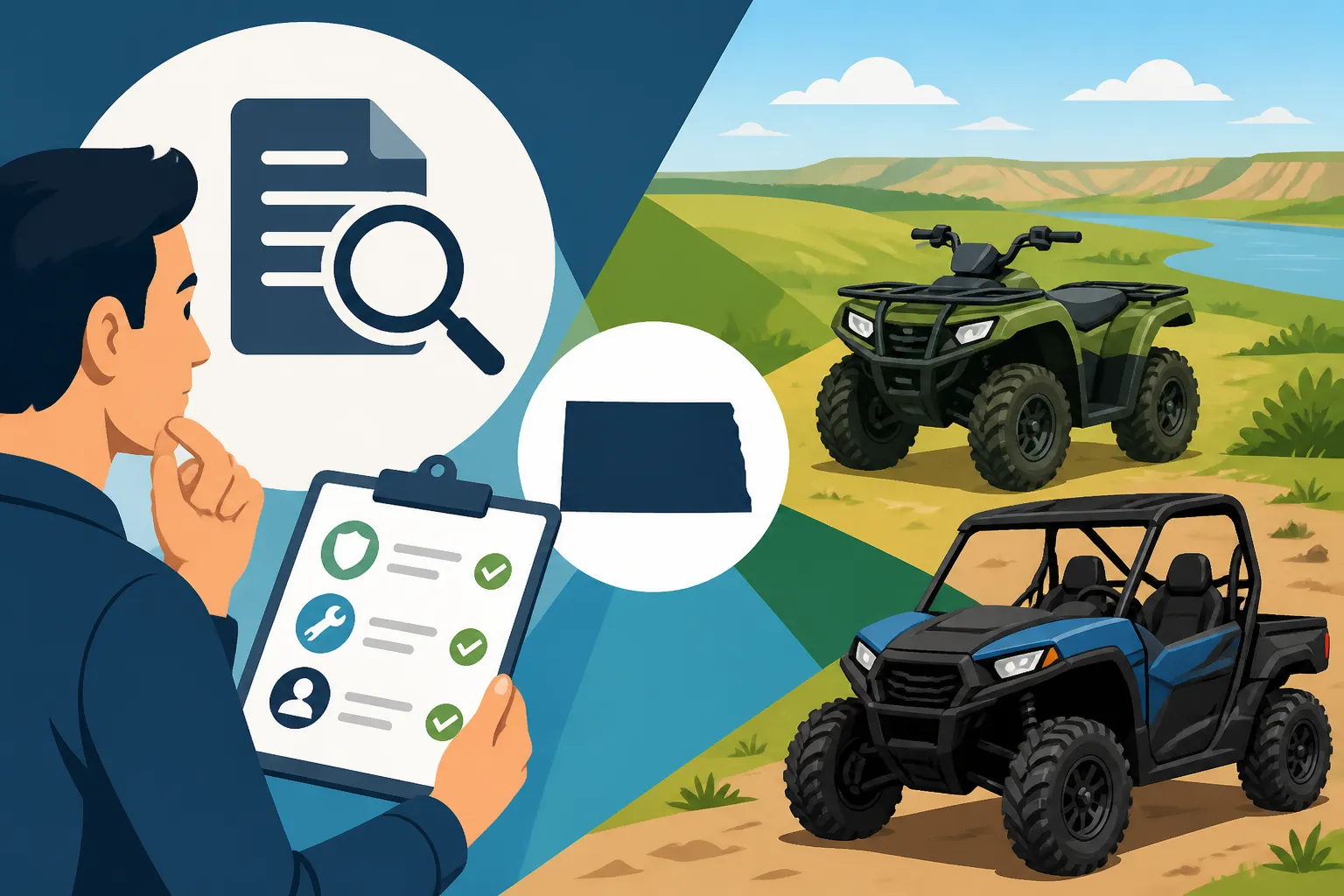
So, how do you get this deeper story? In North Dakota, your best friend in this scenario is the Vehicle Information Request form, officially known as SFN 21720. This document, submitted to the North Dakota Department of Transportation (NDDOT), allows you to access a machine's official record. Think of it as a comprehensive background check for the ATV or UTV you're interested in. It's not just for buyers; sometimes, legal professionals or even insurance companies use this form to gather information.
The process for obtaining this report is relatively straightforward, but it requires you to be proactive. You'll need the machine's Vehicle Identification Number (VIN) – which should be provided by the seller, and you should always verify it physically on the machine itself. Once you have the VIN, you can complete the SFN 21720 form. This form asks for your contact information and specifies why you're requesting the information. Don't worry, as a prospective buyer, you have a legitimate reason! The NDDOT processes these requests, and once complete, they'll send you a detailed report. While the form itself might seem a bit bureaucratic, the information it unlocks is invaluable. This is much more detailed than merely looking at a bill of sale; it's about getting official data straight from the state's records, which is crucial for making an informed decision, especially when considering a large purchase.
What Specific Information the Report Reveals About an OHV
Once you get that SFN 21720 report back from the NDDOT, you'll be holding a treasure trove of information. It's not just a single data point; it's a comprehensive overview of the machine's official life story within North Dakota. Understanding what each section means is key to leveraging this report effectively.
Ownership and Title History
One of the most critical pieces of information the report provides is the current registered owner. This is absolutely vital. Does the name on the report match the person selling you the machine? If not, that's a huge red flag. You don't want to buy from someone who isn't the legal owner, as you could end up with a stolen machine or one tangled in a legal dispute. The report will also often show the previous owners, giving you a chain of custody. This helps establish legitimacy and can reveal how many times the machine has changed hands, which might hint at its reliability or potential issues. If you’re preparing a [North Dakota Statement of Ownership Form SFN 2903], confirming the seller’s name on this report first will save you a lot of grief.
Additionally, the report details the machine's title status. Has it always had a clean title? Or was it ever issued a [North Dakota Salvage Titles for OHVs]? A salvage title indicates that the machine was declared a total loss by an insurance company due to significant damage from an accident, flood, fire, or other catastrophic event. While a salvage title doesn't necessarily mean the machine is junk, it means it's had a severe past, and repairs might not have fully restored it to its original condition. A machine with a salvage title typically sells for much less, and its safety and longevity can be compromised. Knowing this upfront allows you to adjust your offer or walk away if the risk isn't worth it. This information is far more reliable than what a seller might 'forget' to mention.
Lienholder Information and Financial Encumbrances
This is where many unsuspecting buyers get burned. The Vehicle Information Request will clearly list any lienholders associated with the ATV or UTV. A lienholder is typically a bank or financial institution that holds a security interest in the machine because the current owner took out a loan to purchase it. If there's an active lien, it means the seller still owes money on the machine.
Why is this a big deal for you, the buyer? If you buy a machine with an outstanding lien, that lien transfers with the machine, not the owner. This means the bank could legally repossess the ATV or UTV from you if the original owner defaults on their loan, even though you paid for it fair and square. You’d be out both the machine and your money. The report tells you precisely if a lien exists and who holds it. If there is a lien, you'll need to work with the seller and the lienholder to ensure the lien is satisfied and officially released before you hand over any money. A proper transaction might involve paying the lienholder directly, with the remaining balance going to the seller. This step is absolutely non-negotiable for your financial protection. Don't even think about pursuing [Titling an ATV in North Dakota] until you're sure there are no outstanding liens.
Vehicle Specifications and Historical Data
Beyond ownership and financial details, the SFN 21720 provides a bounty of information about the machine itself. It will typically confirm the year, make, model, and engine size. This is useful for verifying that the machine the seller is advertising matches the official records. Sometimes, sellers might incorrectly list a model year or engine size, either by mistake or to misrepresent the machine.
The report also shows key dates related to the machine's registration and titling history within North Dakota. This might include the date of its first registration in the state, renewal dates, and any changes in classification. For example, if you're looking at a utility machine, the report will confirm its classification, such as a Class I, II, or III machine, which can impact its legal use on certain North Dakota roads and trails. You might also find details related to its [North Dakota Registration Exemptions Explained] if it ever qualified for one.
This historical data can also include information from odometer readings at the time of title transfers, though for off-road vehicles, odometers are not always as common or reliable as in cars. Still, if available, it can help you spot inconsistencies. All these details are crucial for a clear understanding of what you're actually buying. When working on a private sale, legal document providers like LawDepot can offer templates for agreements that specifically reference the information uncovered by this report, ensuring all parties are on the same page.
Here’s a summary of what you can expect from a North Dakota Vehicle Information Request:
| Information Category | What It Reveals | Significance for Buyer |
|---|---|---|
| Current Owner | Legal name of the individual or entity holding the current title/registration. | Ensures the seller has the legal right to sell the machine. |
| Previous Owners | List of prior registered owners and dates of transfer. | Provides a chain of custody, indicating how many hands the machine has passed through. |
| Title Status | Type of title issued (e.g., "Clear," "Salvage," "Rebuilt"). | Identifies if the machine was ever deemed a total loss (salvage) or has any other title encumbrances. Crucial for understanding past damage. |
| Lienholder Information | Name(s) of any financial institution(s) with an active lien on the machine. | Absolutely critical for financial protection; indicates if the seller still owes money. A lien must be released before purchase. |
| Vehicle Specifications | Year, Make, Model, VIN, Engine Size, Fuel Type, and sometimes body style. | Confirms the machine's identity matches the seller's description and official records. Helps verify [North Dakota's Class I, II and III Machines] definitions. |
| Registration History | Dates of initial registration, renewals, and expiration. | Shows if the machine has been regularly registered and provides context for its operational history in the state. |
| Odometer Readings | Recorded odometer values at various title transfers (if applicable and available for OHVs). | Can help detect potential odometer tampering or inconsistencies, though less common for off-road vehicles. |
| Special Notations | Any other specific flags or notes from the NDDOT (e.g., flood damage notation, stolen vehicle flag). | Uncovers unique issues that might severely impact the machine's value or legality. Helps prevent purchasing [North Dakota Machines With No Paperwork] due to theft. |
How to Use This Information to Make a Smart Purchase
Receiving and reviewing the Vehicle Information Request is only half the battle. The real power comes from knowing how to interpret that information and use it to your advantage during the buying process. This report empowers you to ask pointed questions and negotiate from a position of strength, or to walk away from a bad deal.
Identifying Red Flags and Asking the Right Questions
As you pore over the SFN 21720, certain things should immediately catch your eye as potential red flags. We've discussed liens and salvage titles, but also look for discrepancies in ownership. If the seller's name doesn't match the current owner on record, you need to understand why. Are they selling it for a friend or family member? If so, you'll need additional documentation, like a power of attorney, to prove they have the legal right to sell it. If this is a private transaction, this is exactly the kind of due diligence that LawDepot can help support by providing appropriate legal forms.
Another red flag might be a machine that has changed hands an unusually high number of times in a short period. While not always a deal-breaker, it could indicate recurring problems that previous owners wanted to offload. Ask the seller about any inconsistencies you find. For example, "I noticed the report shows a salvage title from three years ago. Can you tell me more about the damage and the repairs that were done?" A reputable seller will be transparent and willing to provide details and even receipts for repairs. Someone trying to hide something will likely become defensive or evasive. Remember, honesty is key in these transactions. If you're going to pay [North Dakota Excise Tax on an ATV Purchase], you want to make sure you're getting a clear title.
Negotiating with Confidence or Walking Away
With the SFN 21720 in hand, you're no longer just a hopeful buyer; you're an informed consumer. This report gives you leverage. If you uncover a salvage title or a history of multiple owners, you can use that information to negotiate a lower price. For instance, if the seller is asking a premium price for a machine with a salvage title, you can point to the depreciation associated with that status and counter with a more realistic offer. This can save you hundreds, if not thousands, of dollars.
More importantly, the report gives you the confidence to walk away from a bad deal. If you find an active lien that the seller refuses to address properly, or if the VIN on the report doesn't match the physical VIN on the machine (which should always prompt a [North Dakota VIN Inspection Requirements]), it's time to politely decline the purchase. No deal is worth the potential legal and financial headaches that can arise from a murky title or undisclosed issues. When you're [Buying From a Private Seller in North Dakota], always prioritize clarity and official documentation over a seemingly good deal. This report, along with a solid contract (which LawDepot can help you draft), ensures you're protected every step of the way, making your ATV or UTV purchase a joyous occasion rather than a stressful one.
Disclaimer
This article is for general informational purposes only and does not constitute professional advice. Laws, prices and regulations vary by location and change over time. Consult a qualified professional for guidance on your specific situation.