North Dakota Registration Versus a Non-Resident Permit
It can be incredibly confusing trying to figure out the rules for riding your ATV or UTV in a new state, especially when you're just visiting. North Dakota has a specific system that differentiates between its residents and temporary visitors, and many riders get tripped up trying to understand if they need to fully register their machine or if a simple permit will suffice. This guide is here to clear up that common headache, walking you through the ins and outs of North Dakota's OHV registration and its non-resident permit options, so you can hit the trails with confidence and stay on the right side of the law.
Understanding North Dakota's OHV Registration for Residents
If you call North Dakota home, or you've decided to make it your permanent riding base, you're generally going to be looking at a full registration for your off-highway vehicle (OHV). This isn't just a suggestion; it's a requirement to legally operate your ATV, UTV, or dirt bike on designated public lands and roadways throughout the state. It signifies a more permanent connection between your machine and North Dakota's regulatory system.
Who Needs to Register and Why
Essentially, anyone who permanently resides in North Dakota and owns an OHV that they intend to ride on public property or designated trails must register it. This includes the vast majority of riders who enjoy exploring the state's diverse terrain, from the Badlands to the northern forests. The reason behind this requirement is two-fold: it helps the state keep track of OHVs for safety and enforcement purposes, and it collects funds that directly support the trail system you'll be enjoying. Your registration isn't just a piece of paper; it's an investment in the riding opportunities available to you.
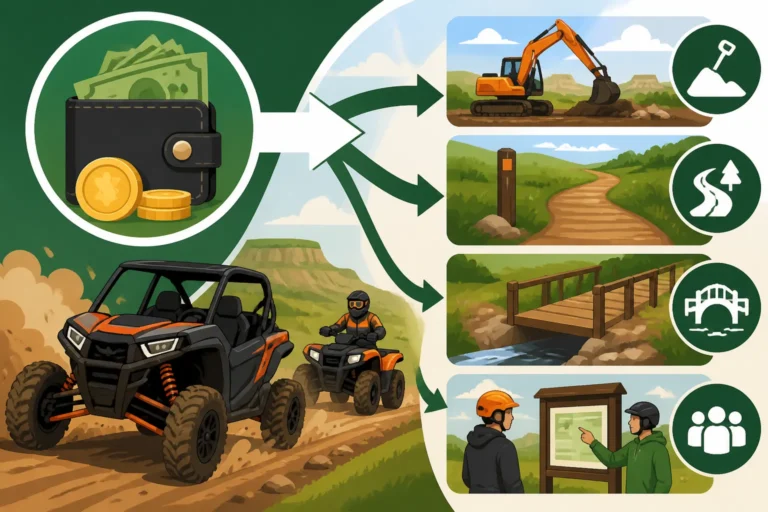
The state operates on a specific timeline for these registrations. North Dakota utilizes a [North Dakota's Two-Year OHV Registration] cycle, which means you're not dealing with annual renewals. This is a nice convenience, as it cuts down on the frequency of paperwork. When you register, you're not just paying one lump sum for a sticker or a plate; there's a breakdown. The cost you'll see on your receipt is actually a combination: [North Dakota Charges $5 Registration Plus $15 Trail Tax]. That trail tax portion is incredibly important because it's specifically earmarked for the development and maintenance of North Dakota's OHV trails. It ensures that the places you love to ride remain accessible and well-maintained for years to come.
The Process for Resident Registration
Getting your OHV registered as a North Dakota resident involves a few steps, but it's a straightforward process once you know what to expect. You'll typically handle this at a local motor vehicle branch. It's not unlike registering a car, just with a few OHV-specific details. The ultimate goal is to get that registration decal or plate that proves your machine is legal to operate.
To begin the process, you'll generally need proof of ownership. If you've just bought a machine, especially from a private seller, a well-filled-out [North Dakota Bill of Sale Form SFN 2888] is crucial. This document establishes who the new owner is and prevents a lot of headaches down the road. For machines purchased from a dealer, they'll usually handle a lot of the initial paperwork for you, making the process smoother. The state also requires you to title your machine, and the application for that is often done concurrently with registration. This means the overall process is a more long-term commitment than just getting a temporary pass. You're putting your machine on the books, so to speak, for the duration of its life with you in North Dakota.
The North Dakota Non-Resident OHV Permit: Your Temporary Ticket to Ride
For those of us who love to travel with our machines and explore new riding destinations, North Dakota offers a fantastic option that bypasses the need for full registration. This is where the non-resident permit comes into play – a simple, temporary solution designed specifically for visitors. It's a recognition that not everyone coming to ride in North Dakota intends to stay forever, and the state wants to make it easy for out-of-state enthusiasts to enjoy its trails.
Who is the Non-Resident Permit For?
The non-resident OHV permit is specifically designed for individuals who are not residents of North Dakota but wish to operate their OHV within the state for a temporary period. The key here is "temporary." North Dakota's rules are quite clear: if you're visiting and intend to ride for less than 30 consecutive days, this permit is your go-to. This covers most weekend warriors, vacationers, or those just passing through who want to hit a specific trail system like Pembina Gorge or the Roughrider Trail.
However, it's vital to pay attention to that 30-day threshold. If your plans change, or you find yourself enjoying North Dakota so much that you decide to stay for a longer period – specifically exceeding [North Dakota's 30-Day Out-of-State Rule] – then the non-resident permit is no longer sufficient. At that point, the state expects you to register your machine as a resident, even if you still maintain residency in another state. This is a point where many visitors can get confused, so it's best to plan ahead. For example, if you're thinking of leaving your machine at a lake cabin for the whole summer, you're likely going to need to look into full registration. This is especially true for [North Dakota Visitors Staying Over 30 Days]. The permit is truly for short-term stays.
How to Obtain a Non-Resident Permit
One of the biggest advantages of the non-resident permit is its relative ease of acquisition compared to full registration. You won't be navigating multiple forms or needing extensive proof of ownership for a temporary permit. The state has made it quite accessible, recognizing that visitors want to spend their time riding, not bogged down in paperwork.
You have several convenient options for purchasing a non-resident permit. Many riders find it easiest to buy one when they arrive at a state park. Most park offices are equipped to issue these permits, making it a simple first stop before heading to the trailhead. You can often purchase these permits online before your trip, or even from some authorized North Dakota dealers. [North Dakota Permits Sold at Any State Park] makes it simple for visitors. The [North Dakota Non-Resident Permit Cost] is typically a straightforward, single fee, which covers your access for the year. It's important to note that these permits generally run on a calendar year, regardless of when you purchase it. This means [Why North Dakota's $10 Visitor Permit Ends December 31] – so if you buy it in October, it's only valid until the end of that year, not for a full 12 months from purchase. This is an important detail to keep in mind when planning your trip and budgeting your costs.
The Importance of Carrying Your Permit
Just like residents are required to display their registration decal or plate, non-residents must be able to prove they are legally allowed to operate their OHV in North Dakota. For you, this means always carrying your physical non-resident permit with you when you ride. Think of it as your temporary license to enjoy the trails.
When you're out exploring, an officer or park ranger might ask to see your permit. Being able to quickly produce it means you can continue your ride without delay. This is why [Showing a Certificate on Demand] is critical. It serves as your official documentation. Unlike residents, who affix a physical decal to their machine, your permit is a document you'll keep on your person or easily accessible on your machine. This clear distinction prevents confusion for enforcement officials and ensures that all riders, resident or visitor, are accounted for under the state's OHV laws. It's always a good idea to keep it in a waterproof bag or container, just in case.
Key Differences and Scenarios: Registration versus Permit
Understanding the fundamental distinctions between North Dakota's OHV registration and its non-resident permit is crucial for making the right choice and avoiding any legal hiccups. While both ultimately allow you to ride, they serve different purposes and come with varying requirements. It’s not just about the cost; it's about the duration, the paperwork, and your overall intent for riding in the Peace Garden State.
Duration and Intent
The most significant difference lies in the duration and underlying intent. North Dakota's standard OHV registration for residents is a long-term commitment, designed for those who own and regularly operate their machines within the state. As mentioned, it's tied to a [North Dakota's Two-Year Registration Cycle], giving you extended legality without annual renewals. When you register, you're also inherently contributing to the local OHV infrastructure through the trail tax that's part of the fee. This system supports the state's ongoing efforts to create and maintain riding areas.
In contrast, the non-resident permit is expressly temporary. It's an annual pass, yes, but it's specifically for visitors who will be in the state for a limited time – typically under that critical 30-day mark. Its intent is to provide a simple, short-term access solution for tourists and traveling riders. It acknowledges that you're just passing through or enjoying a brief vacation, and the state doesn't expect you to go through the full resident registration process for that kind of visit. Think of it as a guest pass compared to a season ticket.
Cost Structure
While I can't give you exact numbers, the shape of the costs is quite different. Resident registration typically involves several components. You'll have the actual registration fee, the aforementioned trail tax, and usually a [North Dakota Title Fee of $5] if you're titling the machine for the first time or transferring ownership. There might also be excise tax considerations, particularly if you just purchased the machine. This makes the initial outlay for residents generally higher, reflecting the long-term nature of the commitment and the administrative processes involved.
The non-resident permit, on the other hand, is much simpler. It's a single, flat fee that provides access for the calendar year, regardless of when you buy it. There are no additional trail taxes or titling fees wrapped into the permit itself, making it a more predictable and often lower upfront cost for a short visit. This streamlined cost structure makes it very attractive for those who just want to ride for a weekend or a week without a significant financial commitment.
Paperwork and Hassle Factor
The administrative burden is another key differentiator. Registering an OHV as a North Dakota resident usually requires more detailed paperwork. You'll typically need to fill out a title application, such as [North Dakota Form SFN 2872 Explained], provide proof of ownership (like a bill of sale), and sometimes even proof of residency. If you've ever registered a new vehicle, you know the drill – it can be a bit of a process, especially if all your documents aren't perfectly in order. While not overly complicated, it definitely takes more time and attention.
For non-residents, the permit process is designed to be as low-hassle as possible. You generally just fill out a simple form, pay the fee, and you're good to go. There's no title application, no need for detailed ownership proofs beyond potentially showing your out-of-state registration. This makes it a quick transaction, allowing you to get your permit and get on the trail with minimal delay. If you do happen to be involved in a private sale, even out of state, having a solid bill of sale is always a good idea. Resources like LawDepot can provide templates to ensure you have all the necessary information, even if you're not registering in North Dakota immediately. This reduces the chances of issues later on, whether you eventually register or resell.
| Feature | Resident OHV Registration | Non-Resident OHV Permit |
|---|---|---|
| Duration | Two years | Calendar year (expires Dec 31st) |
| Intent | Long-term operation within North Dakota | Temporary visits (under 30 consecutive days) |
| Cost Structure | Registration fee + Trail Tax + Title Fee (if applicable) | Single, flat permit fee |
| Required Documents | Title application, Proof of ownership (Bill of Sale), etc. | Simple application, Out-of-state registration (often) |
| Proof of Legality | Physical decal or plate affixed to machine | Physical permit carried by rider |
| Where to Obtain | Motor Vehicle Branch | State Parks, Online, Authorized Dealers |
Making the Right Choice for Your Riding Style
Deciding between full registration and a non-resident permit really boils down to your personal circumstances and how you plan to use your OHV in North Dakota. There's no one-size-fits-all answer, but by considering your typical riding habits and future plans, you can make an informed decision that keeps you legal and worry-free.
If You're a Frequent Visitor or New Resident
For those who find themselves drawn to North Dakota's wide-open spaces and fantastic riding opportunities multiple times a year, or perhaps even have family or a second home here, the decision can be a bit trickier. If you anticipate making several trips throughout the year, especially if some of those trips might push beyond a few weeks, the non-resident permit might start to feel less convenient due to its calendar-year expiration. You might end up buying multiple permits over time, depending on when you visit.
If you're truly making the move to North Dakota, or if your visits become so frequent and extended that you consistently exceed the 30-day threshold, then it definitely makes sense to bite the bullet and go through the resident registration process. This is especially true if you're establishing permanent residency in the state. Getting [North Dakota Registration for a New Resident] will streamline your riding experience and avoid any potential legal issues or confusion. While the initial paperwork is more involved, it sets you up for two years of hassle-free riding as a local. Remember, if you're engaging in any personal transactions like buying or selling a machine, a clear bill of sale is vital. LawDepot offers reliable document templates that can help you draft these, ensuring proper documentation for your records, regardless of whether you're a resident or visitor.
Special Considerations for Tracked Dirt Bikes and Other Machines
North Dakota also has specific categories and rules that might influence your permit or registration choice. It’s not just about ATVs and UTVs; dirt bikes, especially those with track conversions, have their own set of guidelines. If you have a dirt bike that has been converted to tracks for winter riding, you'll need to know about the [North Dakota Tracked Dirt Bike Permit at $25]. This is a separate permit required in addition to any other registration or non-resident permit you might hold, specifically for operating a tracked dirt bike on designated snowmobile trails. It's a niche but important detail for those who embrace year-round riding.
Furthermore, it's always good to be aware of how North Dakota defines different types of OHVs, such as [North Dakota's Class I, II and III Machines]. While this distinction usually impacts things like road riding rules and width restrictions, it's part of the broader framework of OHV laws you're operating under. Understanding these classifications can help ensure your machine is compliant, regardless of whether you're under a resident registration or a non-resident permit.
What if You Stay Longer Than Planned?
Life happens, and sometimes a quick trip can turn into an extended stay. Perhaps you're visiting for a few weeks, have your non-resident permit in hand, and then decide to spend the entire summer at a friend's cabin, or a mechanical issue keeps your machine in North Dakota longer than expected. This is where the 30-day rule becomes paramount. If your OHV is physically present and operated in North Dakota for more than 30 consecutive days, your non-resident permit is no longer valid.
At this point, you are expected to obtain a full North Dakota OHV registration. Failing to do so could result in penalties. Riding an unregistered machine, even if you initially came in with a valid non-resident permit that has since expired due to duration of stay, can lead to [North Dakota Penalties for Riding Unregistered]. These penalties are designed to ensure compliance with state law and can include fines. It's always best to be proactive. If you foresee your stay extending beyond the 30-day limit, start the process of getting a resident registration beforehand. This shows good faith and keeps you legal. Don't rely on the "nobody will notice" approach; it's simply not worth the risk when you're out enjoying the beautiful North Dakota landscape.
Disclaimer
This article is for general informational purposes only and does not constitute professional advice. Laws, prices and regulations vary by location and change over time. Consult a qualified professional for guidance on your specific situation.