North Dakota’s 30-Day Out-of-State Rule
Visiting North Dakota with your trusty ATV or UTV can be an incredible experience, offering vast landscapes and unique riding opportunities. But if you're not a resident, you might be stressing about how long you can legally enjoy those trails and ditches without running afoul of the state's vehicle registration rules. This guide is here to untangle the complexities of North Dakota's 30-day out-of-state rule, helping you understand your obligations and avoid any unexpected hassles during your stay.
Deciphering North Dakota's 30-Day Out-of-State Rule
When you pull your off-highway vehicle (OHV) into North Dakota from another state or province, you're generally welcome to ride. The state wants visitors to enjoy its natural beauty and recreational opportunities. However, there's a point where a casual visit transitions into something that requires a bit more paperwork, and that point is often tied to a 30-day threshold. Understanding this rule is key to ensuring a smooth and legal riding experience.
The Core Concept: What "30 Days" Really Means
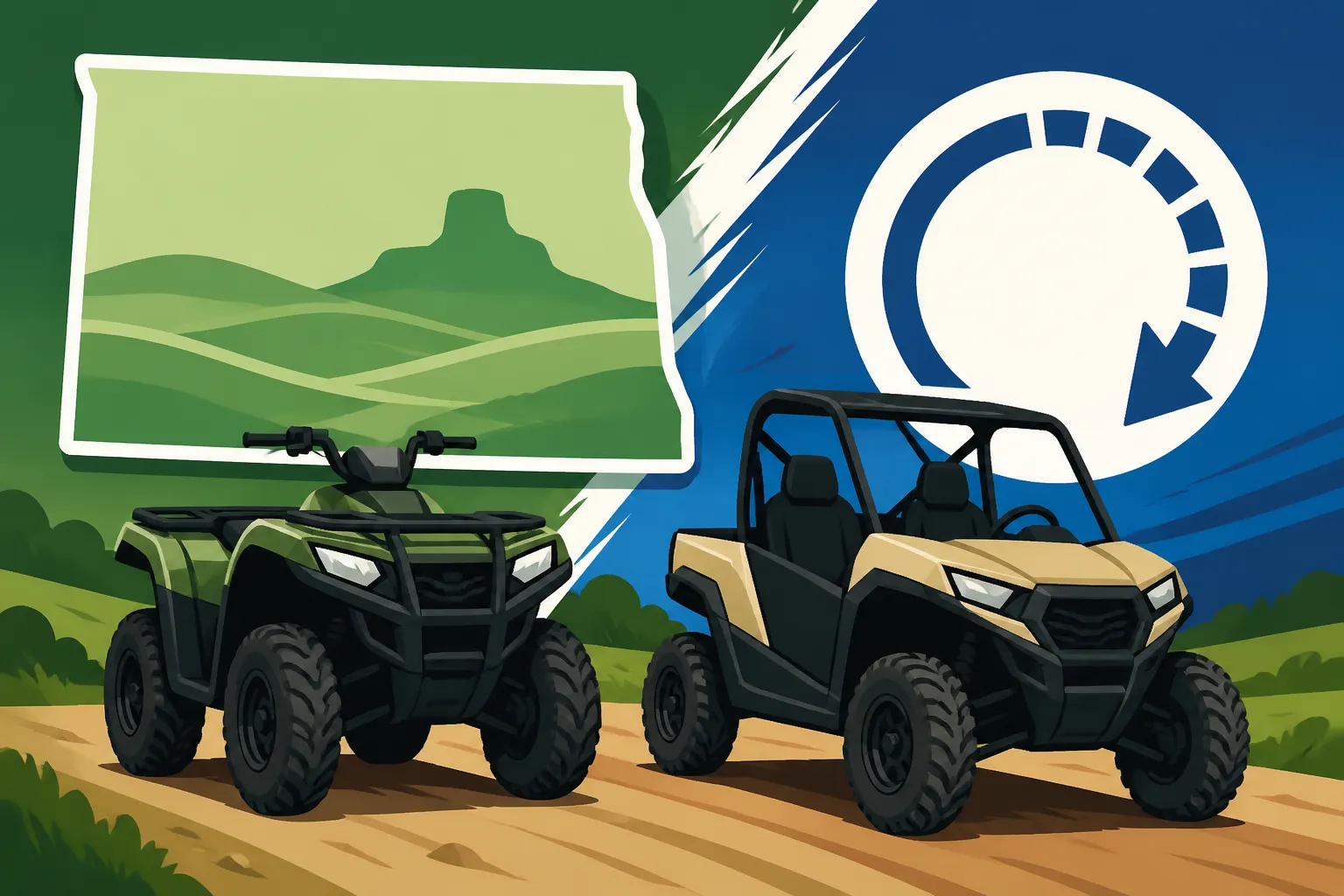
At its heart, North Dakota's 30-day out-of-state rule is designed to distinguish between a temporary visitor and someone who is establishing a more permanent presence – either for themselves or their vehicle. Essentially, if your OHV is legally registered and titled in another state or province, you can operate it in North Dakota for up to 30 consecutive days without needing to register it here. Think of it as a grace period. It acknowledges that people travel for vacations, temporary work, or to visit family, and it wouldn't be practical or fair to demand immediate North Dakota registration for every short-term guest.
However, "30 consecutive days" is the critical phrase. This isn't 30 days spread out over a year of intermittent visits. It means if your machine is physically present and operated in North Dakota for 30 days in a row, the exemption for your out-of-state registration typically expires. After that point, the state expects your OHV to either be registered in North Dakota or removed from operation within the state. This distinction is really important. A week-long trip in June and another week-long trip in September usually wouldn't trigger the rule, but a five-week stay from July into August absolutely would. You can find more details on this in [Thirty Consecutive Days and What Follows].
Why This Rule Exists: Protecting State Interests
You might wonder why states bother with such rules. It’s not about being unwelcoming; it’s primarily about equity, funding, and public safety. North Dakota, like other states, relies on vehicle registration fees and taxes to maintain its infrastructure, including the very trails and public lands that OHV enthusiasts enjoy. When you register an OHV in North Dakota, a portion of that fee goes towards the [North Dakota's Off-Highway Trail Tax], which directly supports the development and maintenance of riding areas like Pembina Gorge or the Roughrider OHV Trail. If machines could operate indefinitely on out-of-state registrations, the state would lose out on crucial funding for these resources.
Furthermore, there are matters of accountability and tracking. Having a local registration ensures that the state has a record of machines operating within its borders, which can be important for law enforcement in cases of theft, accidents, or other legal issues. It's a way of ensuring that everyone who benefits from the state's roads, trails, and public safety services contributes their fair share and can be identified if necessary. This helps prevent situations where someone might evade responsibility by operating a vehicle with no local ties. The rule aims to strike a balance between welcoming visitors and ensuring the sustainability and safety of North Dakota's OHV environment. You can also read about the financial aspects of purchasing an OHV in [North Dakota's 5 Percent Motor Vehicle Excise Tax].
Who Needs to Pay Attention to This Rule?
The 30-day out-of-state rule primarily targets two groups of people: those who are truly visitors enjoying North Dakota's recreation for an extended period, and those who are transitioning to becoming North Dakota residents but still have their OHV registered elsewhere. While the spirit of the law applies to anyone operating a non-North Dakota registered OHV within the state, understanding your specific situation helps clarify your responsibilities.
Visiting Riders: Short-Term vs. Long-Term Stays
For the vast majority of visiting riders, the 30-day rule isn't a concern. If you're coming for a weekend of mudding at Kimball Bottoms, a week-long hunt out on the prairie, or a ten-day trail ride through Pembina Gorge, your out-of-state registration is perfectly fine. The rule is specifically designed to accommodate these shorter recreational visits. You're expected to have a valid registration from your home state or province, and that's usually all an officer will ask to see if you're stopped. North Dakota even offers a special [North Dakota Non-Resident Permit Cost] for those who might not have a registration at all, or who just want to ensure they're fully compliant, though it's not always required if you have valid home-state papers.
However, the line gets crossed when your stay extends beyond a month. Imagine you've taken a temporary contract job in Williston that will last several months, and you've brought your side-by-side with you to explore the local area on your days off. If you start operating that machine in North Dakota for more than 30 consecutive days, your home-state registration is no longer considered sufficient. At this point, even if your permanent residence is still out of state, North Dakota would expect you to register your OHV within its borders. This is where many visitors can accidentally fall into non-compliance, simply by not realizing that their extended stay triggers a new requirement.
New Residents and Relocation: Making North Dakota Home
The other major group affected by the 30-day rule are those who are moving to North Dakota and bringing their OHVs with them. Let's say you've accepted a job in Fargo and are packing up your life, including your beloved ATV from Minnesota. Once you establish residency in North Dakota – which can be indicated by things like getting a North Dakota driver's license, registering to vote, or enrolling children in local schools – the clock starts ticking. You typically have 30 days from the date you establish residency to register your OHV in North Dakota. This rule is less about the machine's physical presence and more about your status as a resident.
This transition period is crucial. It gives you time to get settled, gather the necessary paperwork, and visit the Department of Transportation without feeling rushed. It's a common scenario for people to move, get their personal affairs in order, and then realize their OHV still has out-of-state plates. For a detailed walkthrough of this process, you can refer to [North Dakota Registration for a New Resident]. Failing to register your OHV within this timeframe as a new resident could lead to fines or penalties, as the state views your machine as now being a permanent part of its vehicle population, requiring proper North Dakota identification and contribution to state funds.
Navigating Beyond the 30-Day Limit
So, you've been in North Dakota with your out-of-state OHV for more than 30 consecutive days, or you've officially moved here. What now? It’s important not to ignore the situation. The state has clear expectations for what happens next, and being proactive can save you a lot of headache and potential expense.
The Implications of Overstaying Your Welcome
If you operate your OHV in North Dakota beyond the 30-day out-of-state allowance without registering it, you are essentially operating an unregistered vehicle. This can lead to a few unpleasant scenarios. First and foremost, you could face a citation from law enforcement. The penalties for riding an unregistered OHV in North Dakota can include fines, and these can quickly add up, especially if you're found in violation multiple times. While some officers might give a warning, many will issue a ticket, and nobody wants that on their riding trip. [North Dakota Penalties for Riding Unregistered] outlines the costs associated with such violations.
Beyond fines, there's the inconvenience. An officer might detain you, requiring you to make arrangements for your OHV to be trailered off public land, as it's no longer legal to operate it there. In some cases, a machine could even be impounded, adding towing and storage fees to your already growing list of expenses. It's important to remember that ignorance of the law is rarely an acceptable defense. The state expects OHV owners to be aware of and comply with these regulations. It's far better to address your registration status proactively than to deal with the consequences of an enforcement stop.
The Path to North Dakota Registration for Former Visitors
If you've exceeded the 30-day limit, or you've established residency, the solution is straightforward: register your OHV in North Dakota. The process is similar to what any new OHV owner in the state would go through. You'll need proof of ownership (like a title or bill of sale), proof of identity, and you'll complete an application. You'll pay the North Dakota registration fees and excise tax (if applicable). This will get your machine officially on the books and provide you with a North Dakota OHV plate or decal, allowing you to ride legally.
You'll typically visit a local motor vehicle branch office to complete this process. Make sure you have all your original documents, as copies might not be accepted. Sometimes, if the vehicle is very old or came from a state with different titling rules, you might need additional forms like a statement of ownership. Services like LawDepot can provide customizable templates for bills of sale or affidavits of ownership if you're missing original paperwork or need to document a transfer of ownership from a private seller. By taking these steps, you'll be able to continue enjoying North Dakota's expansive riding opportunities without any legal worries. For a complete guide on how to get this done, check out [How to Register an ATV in North Dakota].
Proving Your Compliance: Documentation and Good Practices
Whether you're a short-term visitor or approaching that 30-day threshold, having your paperwork in order is crucial. It’s not just about being legal; it’s about being able to prove you’re legal if a law enforcement officer asks. A quick stop can turn into a much longer, more frustrating encounter if you can’t immediately provide the necessary documentation.
Essential Paperwork for Out-of-State OHV Owners
When you're riding in North Dakota with an out-of-state registered OHV, there are a few key documents you should always carry with you:
- Your Home-State Registration: This is your primary proof that your machine is legally allowed to be on public lands. It should be current and easily accessible.
- Proof of Ownership: This usually means your vehicle's title, though a bill of sale can also serve as proof, especially if you've recently purchased the machine. It establishes that you are the rightful owner.
- Proof of Identity: Your driver's license or another government-issued ID is essential. This matches you to the registration and title.
- Proof of Insurance: While North Dakota generally doesn't require OHV insurance for off-highway use, if you're using designated road segments or certain public lands, insurance can be a requirement. Plus, it's always smart to have it.
Keep these documents (or clear, legible copies if you prefer not to carry originals on the trail) in a waterproof bag or container. Many riders use a small fender bag or a compartment on their UTV for this purpose. If you've just moved or bought a machine privately and need to create a formal bill of sale, resources like LawDepot can help you generate legally sound documents to establish proof of ownership. This can be especially useful if you're coming from a state with less stringent titling requirements or if you purchased your machine through a less formal process.
Best Practices for Tracking Your Stay
For those who anticipate a longer visit, or who travel frequently into North Dakota, keeping a simple record of your entry and exit dates can be incredibly helpful. This isn't a legal requirement, but it provides tangible proof of your compliance if questioned by authorities.
Consider keeping a log in your glove box or on your phone that notes:
- Date of Entry: When you first brought your OHV into North Dakota.
- Date of Departure (if applicable): When you took your OHV out of the state.
- Purpose of Visit: A brief note about why you're in the state (e.g., "vacation," "hunting trip," "temporary work assignment").
This log, combined with your valid out-of-state registration, can quickly demonstrate that you are within the 30-day exemption period. For example, if you arrive on June 1st and are still riding on June 20th, your log can clearly show you're well within the allowed timeframe. If you're staying at a campground or hotel for an extended period, keeping receipts can also serve as supporting documentation for your dates of stay. While no one expects you to have a meticulously timestamped itinerary, a simple, consistent record can be your best friend when faced with an inquiry.
Special Scenarios and Common Misconceptions
The 30-day rule can seem straightforward on paper, but real-world situations often present nuances. Riders frequently have questions about what constitutes "30 days" if they leave and return, or if their specific type of use falls under an exemption. Let's clear up some common areas of confusion.
Multiple Visits and Cumulative Time
One of the most frequent questions is about what happens if you bring your OHV into North Dakota, leave after a week, and then return a month later. Does the 30-day clock reset? Generally, yes, the rule applies to "consecutive" days. If you physically remove your OHV from North Dakota and then bring it back at a later date, a new 30-day period begins. The intent of the rule is not to cumulatively track every single day your machine has ever been in the state over a year. It focuses on extended, continuous presence.
However, there's a practical side to this. If you are routinely crossing the border for a day or two, then leaving, then returning immediately to "reset" the clock, law enforcement might view this as an attempt to circumvent the registration requirements, especially if you also appear to be living or working in North Dakota. While the letter of the law might support a reset, the spirit of the law aims to catch those who are essentially using North Dakota as their operational base without contributing to local registration and trail funds. Always use common sense and good faith. If your OHV is stored in North Dakota for extended periods between short trips, that might also raise questions about its primary operational location. You can get a clearer picture by reading [North Dakota's 30-Day Visitor Threshold].
Farm Use, Organized Events, and Other Exemptions
North Dakota does recognize certain exemptions for OHV registration, which could potentially interact with the 30-day rule. For instance, machines used exclusively for agricultural purposes on private land may have different requirements. Similarly, OHVs used solely for racing on a closed track are often exempt from general registration, regardless of how long they're in the state. [North Dakota Track Racing Exemption] provides more details on this.
Another key exemption is for machines used solely on private property. If your out-of-state OHV never leaves your own land (or the private land of someone who has given you permission), then the 30-day rule and North Dakota registration requirements typically wouldn't apply, as you're not operating on public roads or trails. This is a significant distinction, as many landowners use their machines strictly for work or recreation on their own property. For further clarity, check out [North Dakota's Exemption for Machines Used on Private Land]. It's vital to remember that these exemptions are specific and usually apply only when all criteria are met. If you take your "farm machine" out for a ride on a ditch or a public trail, you typically lose that exemption instantly and become subject to the standard registration rules. Always verify your specific situation with the North Dakota Department of Transportation if you believe an exemption applies to you.
| Scenario | North Dakota Registration Required? | Key Action |
|---|---|---|
| Visiting Rider (under 30 days) | No (if valid home-state registration) | Carry home-state registration & ID |
| Visiting Rider (over 30 days) | Yes | Register OHV in North Dakota |
| New North Dakota Resident | Yes (within 30 days of establishing residency) | Register OHV in North Dakota |
| OHV Used Exclusively on Private Land | No | Ensure machine never leaves private property |
| OHV Used for Track Racing Only | No | Verify event/track exemption status |
| Selling OHV to North Dakota Resident | No (seller's responsibility to transfer) | Provide valid title/bill of sale (e.g., from LawDepot) |
What to Do If You're Caught Unaware or Need Help
Despite your best efforts, sometimes things happen. You might receive a citation, or simply have questions that aren't easily answered by general rules. Knowing where to turn and what steps to take can make a big difference.
Addressing a Citation or Inquiry
If you find yourself in a situation where a North Dakota law enforcement officer questions your OHV's registration status or issues a citation, the most important thing is to remain calm and cooperative. Present any documentation you have, such as your out-of-state registration, title, driver's license, and any personal log you've kept regarding your dates of stay. Clearly explain your situation. If you genuinely believe you are within the 30-day window or qualify for an exemption, politely state your case and show your proof.
If you receive a ticket for operating an unregistered OHV, make sure you understand the charges and the date you need to respond to the court. [North Dakota Ticket Cost for a Road Violation] can give you an idea of potential fines. Sometimes, if you register your vehicle shortly after receiving a citation, the court might reduce or waive the penalty, but this is at their discretion and not a guarantee. It's always a good idea to seek legal advice if you're unsure how to proceed, especially for more serious infractions. Having a clear head and knowing your rights and responsibilities are your best tools in these situations.
Resources for Clarity and Assistance
For any questions about OHV registration, titling, or specific interpretations of the 30-day out-of-state rule, your best resource is the North Dakota Department of Transportation (NDDOT). Their motor vehicle division is responsible for these regulations and can provide definitive answers tailored to your situation. You can usually find contact information on their official website or by calling their main office.
Additionally, local motor vehicle branch offices can often answer general questions and are the place where you'll go to register your OHV if necessary. Don't hesitate to reach out to them. It's always better to ask a question beforehand than to face a penalty later. While general online forums and fellow riders can offer anecdotal advice, the official state agencies are the ultimate authority. For creating any formal documents related to ownership, such as a bill of sale or a statement of fact, tools like LawDepot can be invaluable for ensuring your paperwork is legally sound and recognized. Being informed and prepared is the key to a stress-free riding experience in North Dakota.
Disclaimer
This article is for general informational purposes only and does not constitute professional advice. Laws, prices and regulations vary by location and change over time. Consult a qualified professional for guidance on your specific situation.